United States
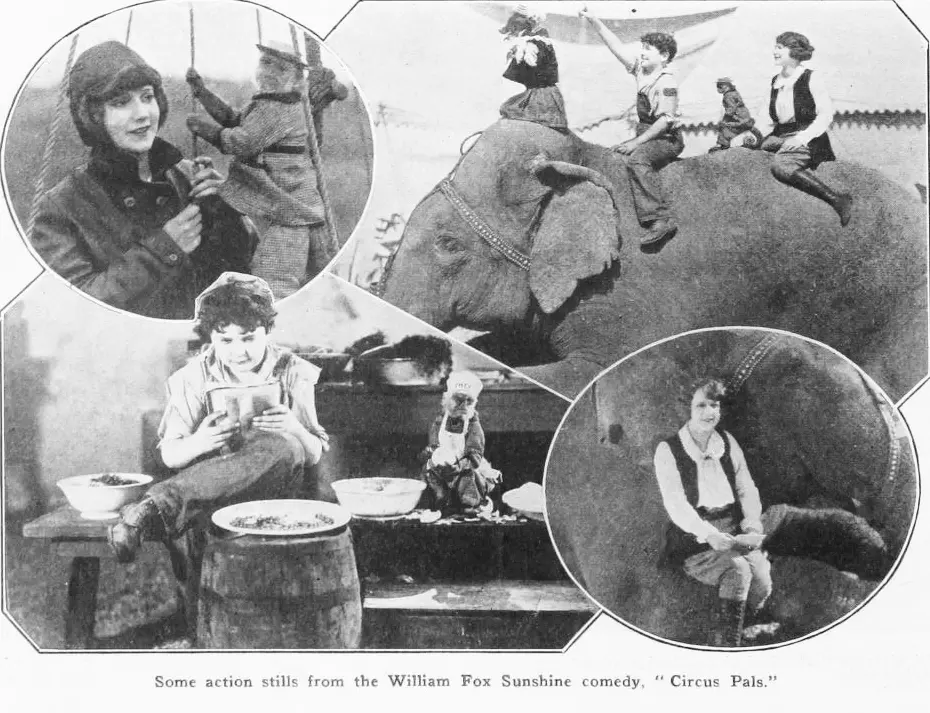
The Ephemeral Majesty of the Big Top To watch Circus Pals in the modern era is to engage in a form of cinematic archaeology. Directed by the often-underappreciated Lewis Seiler, this 1928 artifact serves as a poignant reminder of the sheer expressive power of the silent image before the cacophony of the 'talkies' f...
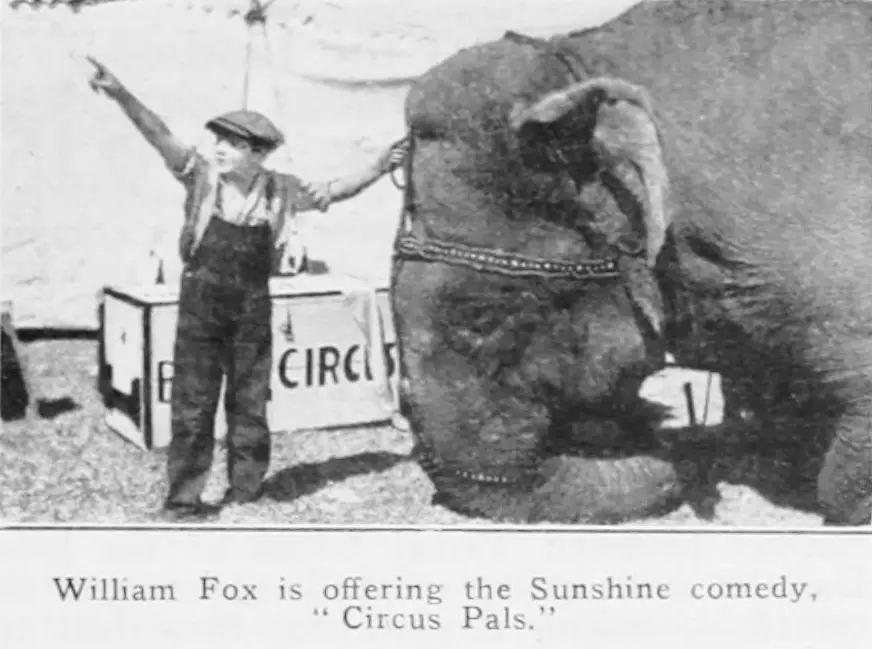
still_frame
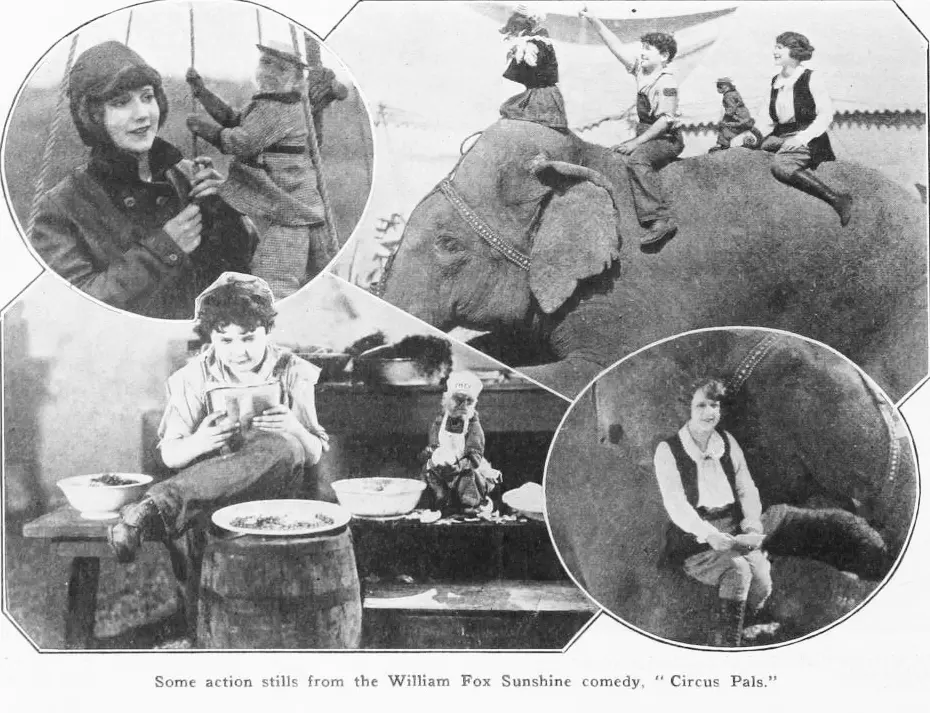
still_frame


Comparing the cinematic DNA and archive impact of two defining moments in cult history.
Lewis Seiler

Reggie Morris
Community
Log in to comment.
" The Ephemeral Majesty of the Big Top To watch Circus Pals in the modern era is to engage in a form of cinematic archaeology. Directed by the often-underappreciated Lewis Seiler, this 1928 artifact serves as a poignant reminder of the sheer expressive power of the silent image before the cacophony of the 'talkies' fundamentally altered the grammar of storytelling. While many contemporary critics might dismiss circus-themed films as mere exercises in spectacle, Seiler’s work here is a nuanced ..."