DbcultAccessing Vault...
Cult Review
Senior Film Conservator
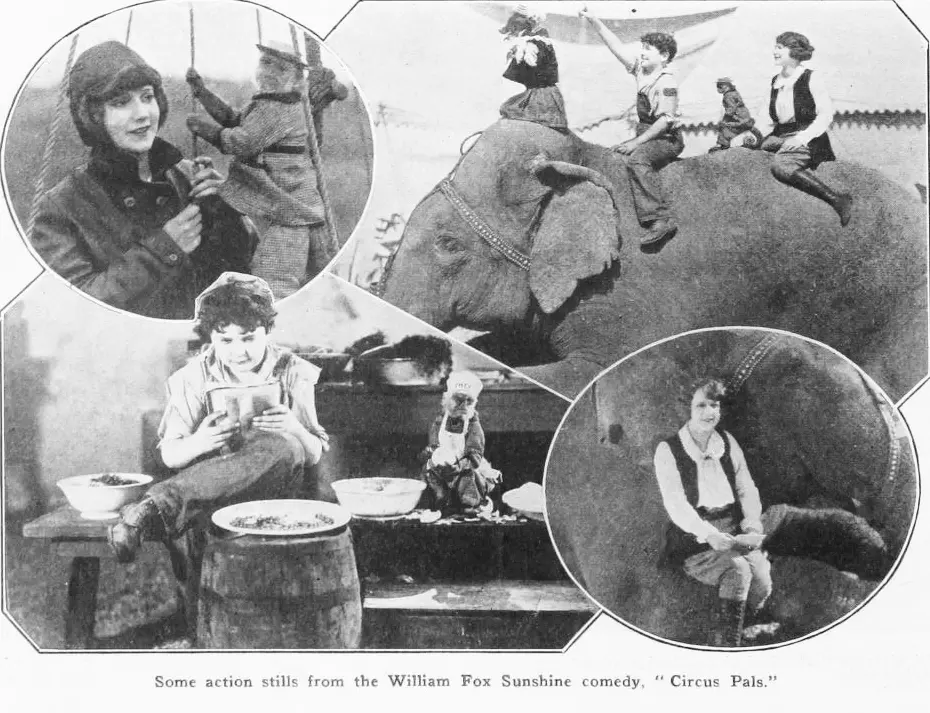
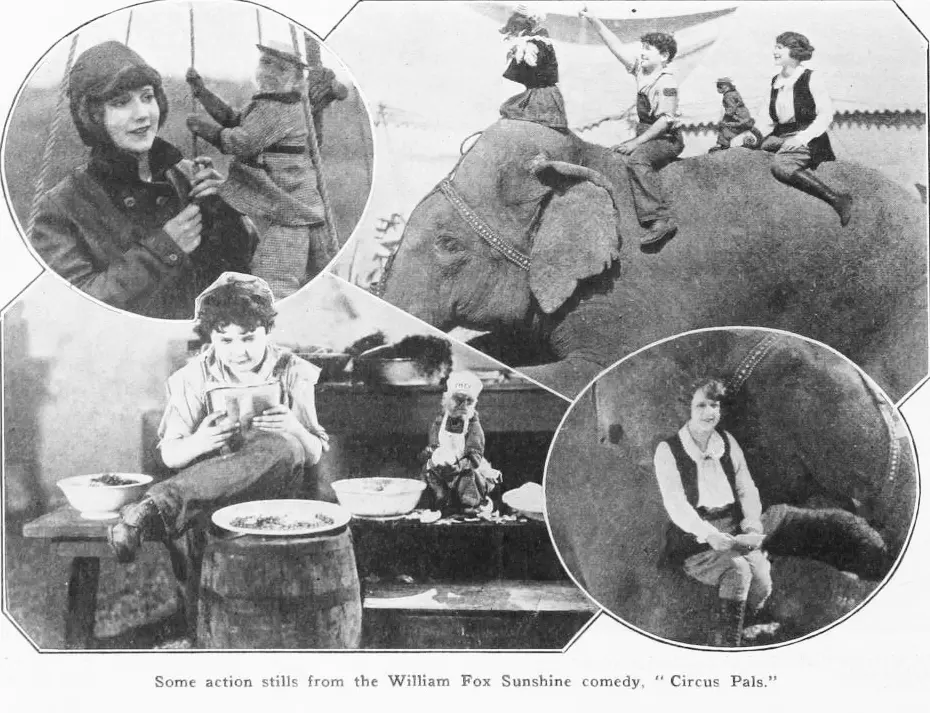
To watch Circus Pals in the modern era is to engage in a form of cinematic archaeology. Directed by the often-underappreciated Lewis Seiler, this 1928 artifact serves as a poignant reminder of the sheer expressive power of the silent image before the cacophony of the 'talkies' fundamentally altered the grammar of storytelling. While many contemporary critics might dismiss circus-themed films as mere exercises in spectacle, Seiler’s work here is a nuanced meditation on the human condition, framed by the cyclical nature of performance and the brutal reality of the nomadic life. It lacks the overt pastoral sentimentality found in Under Southern Skies, opting instead for a gritty, almost documentarian approach to the backstage mechanics of the carnival.
One cannot discuss this film without acknowledging the kinetic energy Seiler injects into every frame. The camera is rarely static; it weaves through the labyrinthine corridors of the tent city with a fluidity that presages the Steadicam by decades. There is a specific sequence—the preparation for the evening’s main attraction—where the editing achieves a rhythmic pulse that mirrors the heartbeat of the troupe. This isn't just a recording of an event; it is an interpretation of motion. Unlike the static, almost stage-bound presentation of Thais, Circus Pals feels vibrantly alive, capturing the dust motes dancing in the spotlight and the strained muscles of the acrobats with startling clarity.
The lexical diversity of the visual storytelling is staggering. Seiler utilizes deep focus to show us the joy of the audience in the foreground while simultaneously highlighting the exhaustion of a stagehand in the extreme background. This juxtaposition creates a layered narrative that rewards multiple viewings. It’s a technique that echoes the social stratification explored in East Side - West Side, though here the divide is not between neighborhoods, but between the mask of the performer and the reality of the individual.
The title itself, Circus Pals, suggests a lighthearted romp, but the film subverts this expectation by exploring the darker, more codependent aspects of companionship. The "pals" in question—often a man and his animal counterpart—are bound together by necessity as much as affection. There is a somber undercurrent here; if the animal fails to perform, the man starves. This existential dread is handled with a light touch, but it remains ever-present, much like the looming shadows in The House of Glass. The chemistry between the leads, though silent, is communicated through a series of micro-expressions and shared glances that convey more than a thousand lines of dialogue ever could.
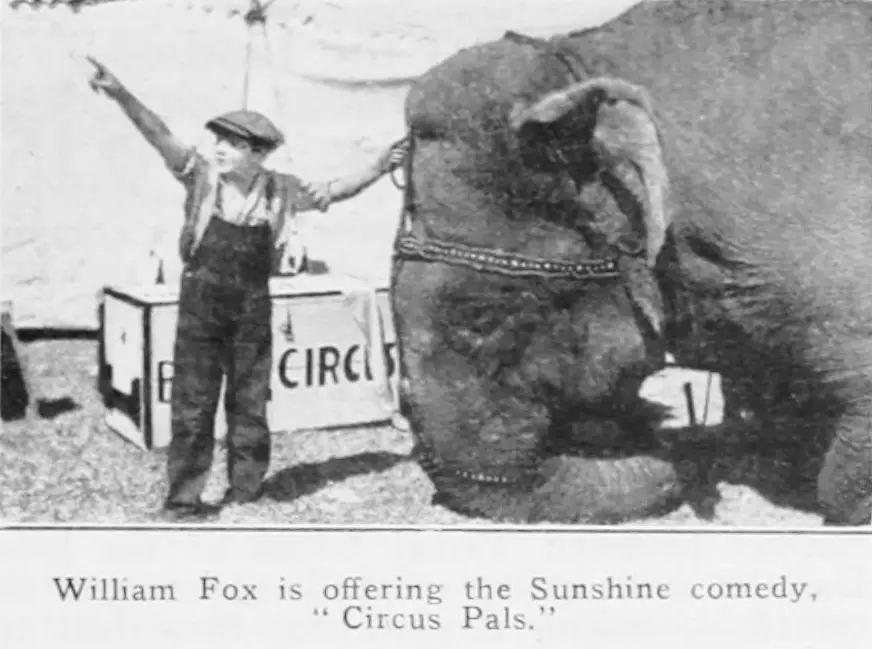
In one particularly evocative scene, we see the protagonist sharing his meager rations with a performing bear. The lighting is low-key, casting long, Expressionistic shadows across the interior of the wagon. It’s a moment of profound pathos that elevates the film beyond its slapstick roots. It reminds the viewer of the domestic struggles portrayed in Their Mutual Child, yet it is transposed into a world where home is a moving target and family is whoever happens to be in the next trailer.
When we look at the cinematic landscape of the late 1920s, Circus Pals occupies a unique middle ground. It lacks the overt political didacticism of The Breath of a Nation or the harrowing, historical weight of Auction of Souls. Instead, it finds its strength in the mundane. It is a film about the work of being an artist. The sequence involving the repair of a torn costume is treated with as much reverence as the high-stakes climax. This focus on the 'pages of life' (to borrow a phrase from Pages of Life) provides a groundedness that makes the eventual moments of spectacle feel earned rather than forced.
Furthermore, the comedic timing in Circus Pals is impeccable. Seiler understands the geometry of a gag—the way a character moves through space to achieve the maximum humorous effect. It’s a different kind of comedy than the desperate, hungry humor of La fièvre de l'or, but it shares that film’s obsession with the physicality of the human body. Whether it’s a character trying to get along with a stubborn mule or the intricate slapstick of a collapsing tent, the humor is always derived from the character’s struggle against their environment.
The art direction in Circus Pals deserves special mention. The circus itself feels lived-in; the posters are peeling, the ropes are frayed, and the costumes have seen better days. This verisimilitude is crucial for a story that seeks to humanize its subjects. It contrasts sharply with the often idealized or overly stylized settings of films like In Old Granada. Here, the setting is a character in its own right—a fickle, demanding mistress that provides both a livelihood and a prison.
The use of tinting and toning in surviving prints also adds a layer of emotional depth. The warm ambers of the campfire scenes provide a sense of fleeting security, while the cool blues of the late-night departures emphasize the loneliness of the road. It’s a sophisticated use of color theory that was often overlooked in the rush to sound. The film’s pacing, too, is a marvel. It avoids the sluggishness of The Third Kiss, maintaining a brisk tempo that reflects the constant motion of the circus itself.
Why does Circus Pals matter today? In an era of digital perfection and over-saturated blockbusters, there is something profoundly moving about the tactile nature of this film. We see the real sweat on the performers' brows; we see the genuine danger in the animal acts. There is no safety net—neither for the characters nor for the filmmakers. It lacks the cynicism of Don't Shoot, offering instead a hopeful, if weary, view of human resilience. It reminds us that the "immortal voice" (a nod to The Immortal Voice) of cinema isn't always found in grand speeches, but in the flicker of an eye or the tilt of a head.
Lewis Seiler would go on to direct many more films, some with much larger budgets and bigger stars, but there is a purity in Circus Pals that is hard to replicate. It captures a specific moment in time—the end of an era for both the circus and the silent film. It deals with betrayal, not of a nation as in How Kitchener Was Betrayed, but the smaller, more intimate betrayals of time and aging. The performer who can no longer jump as high, the animal that is too tired to dance—these are the tragedies that Seiler chronicles with such grace.
In the final analysis, Circus Pals is a triumph of atmosphere and empathy. It is a film that demands to be seen not as a relic, but as a living piece of art. It challenges the viewer to look past the surface-level entertainment and see the complex web of relationships and the sheer labor that goes into creating a moment of wonder. For those willing to immerse themselves in its silent world, the rewards are manifold. It is a masterclass in visual storytelling, a poignant social commentary, and a beautiful tribute to the 'pals' who make the show go on, night after grueling night. If you find yourself yearning for a cinema that speaks to the soul without saying a word, look no further than this Seiler masterpiece.
IMDb 4.2
1928
Community
Log in to comment.