DbcultAccessing Vault...
5.2/10
Senior Film Conservator
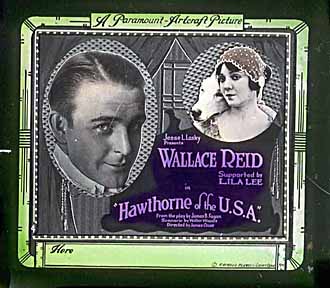
A definitive 5.2/10 rating for a film that redefined the boundaries of cult cinema. Hawthorne of the U.S.A. remains a cornerstone of transgressive art.
The silver screen of a bygone era frequently offered a looking glass into worlds of grand romance and spirited derring-do, and few films encapsulate this spirit quite as vibrantly as "Hawthorne of the U.S.A." This cinematic gem, hailing from a period when narrative ambition often outstripped technical prowess, nonetheless delivers a captivating spectacle of international intrigue and burgeoning affection. It is not merely a film; it is a time capsule, preserving the effervescent charm of early 20th-century storytelling, where a dashing American millionaire could, with effortless grace, navigate the labyrinthine corridors of European royalty and emerge not only unscathed but triumphant in matters of both state and heart. Its premise, a seemingly simple "fish out of water" tale, blossoms into a multifaceted narrative that cleverly juxtaposes New World candor with Old World ceremony, creating a delightful friction that propels the story forward with an infectious energy. This is a film that understands the art of escapism, inviting its audience to lose themselves in a fantasy where wit, courage, and a touch of American ingenuity can solve even the most entrenched dynastic dilemmas.
At its core, "Hawthorne of the U.S.A." unfolds as a spirited romantic adventure, a genre that found immense popularity in the silent film era. The narrative centers on a wealthy American, a character type often portrayed as the epitome of resourcefulness and democratic ideals, who finds himself entangled in the political machinations of a fictional European kingdom. This kingdom, teetering on the precipice of a crisis, requires a hero, and in steps our protagonist, a figure of robust American optimism. The plot masterfully weaves together elements of mistaken identity, political conspiracy, and burgeoning romance, creating a tapestry rich with dramatic possibilities. The stakes are genuine, despite the light-hearted tone; a princess's future, and indeed, the sovereignty of an entire nation, hangs precariously in the balance. The film's strength lies in its ability to maintain a delicate equilibrium between these serious undertones and the overarching adventurous spirit, ensuring that the audience remains thoroughly engrossed without ever feeling bogged down by solemnity. It's a testament to the screenwriters, Walter Woods and James B. Fagan, that they could craft such an engaging and intricate plot, proving that even in the nascent stages of cinematic storytelling, complex narratives could be both accessible and deeply satisfying.
The central conflict, a familiar trope of royal intrigue, is invigorated by the outsider perspective of the American hero. He is unburdened by the rigid protocols and historical grievances that shackle the local aristocracy, allowing him a refreshing candor and directness that is both amusing and effective. This dynamic creates a series of delightful comedic moments, as well as genuine dramatic tension, as Hawthorne navigates a world utterly alien to his own. The film cleverly uses this cultural clash to highlight both the perceived innocence of American ideals and the often-byzantine complexities of European power structures. It's a narrative device that resonates even today, speaking to the timeless appeal of a protagonist who, through sheer force of character and an unwavering moral compass, can cut through the pretense and find the heart of the matter.
The success of "Hawthorne of the U.S.A." owes much to its exceptionally talented cast, a veritable who's who of silent film luminaries who bring their characters to vivid life without uttering a single audible word. Wallace Reid, portraying the titular Hawthorne, exudes an irresistible charisma and effortless charm. His performance is a masterclass in silent acting, conveying a spectrum of emotions from playful wit to heroic resolve with subtle gestures and expressive eyes. Reid, a major star of his time, embodies the ideal American hero: handsome, adventurous, and morally upright, a perfect foil to the more guarded European characters. His chemistry with Ruth Renick, who likely portrays the princess in distress, is palpable, forming the emotional bedrock of the film's romantic arc. Renick, with her delicate beauty and expressive vulnerability, perfectly captures the plight of a royal figure caught between duty and desire.
The supporting cast provides a rich tapestry of characters, each contributing significantly to the film's vibrant atmosphere. Theodore Roberts, a veteran actor known for his imposing presence, brings gravitas to his role, likely as a stern monarch or a cunning advisor. Lucien Littlefield, often cast in character roles, undoubtedly adds a touch of quirky humor or understated menace, depending on his character's allegiance. Edwin Stevens and Clarence Burton, alongside Robert Brower and Charles Ogle, contribute to the intricate web of courtly figures, some loyal, others Machiavellian, their performances critical in establishing the stakes and the sense of impending danger. Even those in smaller roles, like Frank Hayes, Harrison Ford (the silent film star, not the modern icon), Guy Oliver, and Frank Bonner, fill out the world with believable portrayals, underscoring the collaborative artistry of silent cinema. Lila Lee's presence, though perhaps brief, would have added another layer of youthful energy or romantic possibility, further enriching the ensemble. Tully Marshall, with his distinctive features, often excelled at playing complex or villainous roles, and his contribution would undoubtedly inject a memorable element of intrigue or opposition.
The screenplay, penned by Walter Woods and James B. Fagan, is a testament to the sophisticated narrative structures emerging in early cinema. They understood the necessity of clear character motivations, escalating conflict, and a satisfying resolution, all conveyed through visual means and intertitles. Their writing ensures that the plot, despite its convolutions, remains easy to follow and deeply engaging. The dialogue, though unseen, is implied through the actors' expressions and actions, suggesting a witty repartee that adds to the film's light-hearted romantic adventure tone. The pacing is expertly handled, building suspense and humor in equal measure, a challenging feat when relying solely on visual storytelling. The writers crafted a world where honor, courage, and true love could genuinely triumph over deception and cynical ambition, a message that resonated deeply with audiences of the era and continues to hold a certain timeless appeal.
Woods and Fagan’s ability to imbue the story with both a grand sense of adventure and intimate romantic moments is particularly noteworthy. They don't just present a series of events; they craft a journey of personal growth for Hawthorne, who, initially perhaps seeking mere diversion, finds himself compelled by a noble cause and a burgeoning affection. This transformation, subtle yet profound, elevates the film beyond simple escapism into something more resonant. The plot twists and turns are not merely for shock value but serve to deepen the characters' predicaments and reveal their true natures, making the ultimate triumph feel earned and deeply satisfying. It's a foundational example of how strong writing can anchor even the most fantastical premises in believable human emotion.
Visually, "Hawthorne of the U.S.A." likely employed the grand sets and elaborate costumes typical of period dramas of its time, transporting audiences to a lavish European court. The direction, though uncredited in the provided information, would have played a crucial role in orchestrating the intricate action sequences and tender romantic interludes. Silent film directors were masters of visual narrative, relying on composition, movement, and close-ups to convey emotion and advance the plot. The use of intertitles would have been judicious, providing necessary exposition and dialogue snippets without interrupting the visual flow. The cinematography, even with the limitations of early film technology, would have striven for clarity and dramatic effect, capturing the grandeur of the settings and the intensity of the performances. One can imagine sweeping shots of European landscapes, the opulent interiors of royal palaces, and dynamic chase sequences, all contributing to the film's immersive quality.
The aesthetic choices would have been paramount in establishing the film's tone – a blend of romantic idealism and adventurous excitement. Lighting, though often rudimentary by modern standards, would have been manipulated to create mood, from the bright optimism surrounding Hawthorne to the shadowy intrigue of the conspirators. The carefully choreographed action, a hallmark of the era, would have added a layer of physical comedy and suspense, ensuring that the audience was always engaged. The visual language of silent cinema, with its reliance on pantomime and exaggerated expression, is often misunderstood today, but in its prime, it was a highly effective and sophisticated form of communication, capable of conveying profound depth and nuance. "Hawthorne of the U.S.A." stands as a testament to this artistry, demonstrating how compelling stories could be told without the aid of spoken dialogue.
Placing "Hawthorne of the U.S.A." within its historical context reveals its significance as a reflection of American cultural identity and its burgeoning global presence. The idea of an American hero saving a European monarchy resonated deeply with audiences, embodying a sense of democratic superiority and a benevolent interventionism. This theme, while perhaps simplistic, tapped into a national confidence that was still relatively fresh. Compared to the more stark dramatic realism seen in films like The Eternal Law, which might explore rigid societal rules, "Hawthorne" revels in a more optimistic, albeit fantastical, vision of justice and romance. It shares a certain thematic kinship with the whimsical workings of fate in A Game with Fate, where chance encounters lead to profound life changes, albeit with a grander, more international scope here. The elements of daring and overcoming physical obstacles also bring to mind the adventurous spirit found in films like The Lad and the Lion, though "Hawthorne" grounds its heroics in courtly intrigue rather than untamed wilderness.
The film also touches upon themes of loyalty and betrayal, albeit with a lighter touch than the more somber The Beloved Traitor. Here, the betrayals are often less morally ambiguous and more clearly defined as obstacles for our hero to overcome. The journey of Hawthorne himself, from a casual tourist to a pivotal figure, mirrors the kind of character transformation seen in films like The Man Who Forgot, where a character's identity and purpose are redefined through extraordinary circumstances. And, of course, the central romantic dynamic echoes the tender sentiments and emotional resonance found in The Echo of Youth, portraying a love that transcends societal barriers and political machinations. These comparisons highlight how "Hawthorne of the U.S.A." participates in a broader cinematic conversation of its era, drawing on popular tropes while imbuing them with its own unique charm and perspective.
Beyond its specific plot points and historical context, "Hawthorne of the U.S.A." offers a timeless appeal rooted in the universal desire for adventure, romance, and the triumph of good over nefarious forces. It's a fantasy of wish fulfillment, where an ordinary (albeit wealthy) individual can become an extraordinary hero, not through superpowers, but through intelligence, courage, and an unwavering belief in fairness. The film's light-hearted tone ensures that even the moments of peril are imbued with a sense of hopeful excitement rather than grim dread, making it an eminently rewatchable and enjoyable experience. This quality of buoyant optimism is a significant part of its enduring legacy, reminding us that cinema can be a powerful antidote to the mundane, offering a glimpse into worlds where anything is possible.
In an age where cinematic narratives often lean towards gritty realism or overly complex allegories, revisiting a film like "Hawthorne of the U.S.A." is a refreshing reminder of the simple, potent magic of classic storytelling. It doesn't aspire to dissect profound philosophical questions but rather to transport its audience to a world of charming escapism. It celebrates the virtues of courage, ingenuity, and true affection, all wrapped in an engaging package of international intrigue and daring rescues. The film stands as a vibrant testament to the power of silent cinema, a medium that, despite its technical limitations, was capable of evoking deep emotions and crafting compelling narratives that continue to resonate with viewers who appreciate the artistry of a bygone era. Its legacy is not just as a historical artifact, but as a genuinely entertaining piece of cinematic art that continues to charm and delight.
The collective efforts of the cast, particularly Wallace Reid's magnetic performance, under the guidance of its creative team, coalesce into a vibrant tapestry of early cinematic excellence. It’s a film that asks us to suspend disbelief and embrace the inherent romanticism of its premise, rewarding us with a journey that is both thrilling and heartwarming. The intricate dance between the charming American and the beleaguered princess, set against a backdrop of royal machinations, creates a compelling narrative that never falters. This enduring quality ensures that "Hawthorne of the U.S.A." remains a significant, albeit often overlooked, entry in the canon of romantic adventure films, a delightful discovery for anyone seeking the innocent charm and spirited narrative of early Hollywood.
Ultimately, the film serves as a beautiful illustration of how silent cinema, with its unique language of gesture, expression, and visual metaphor, could weave tales of grand scope and intimate emotion. It’s a testament to the enduring power of a well-told story, brought to life by dedicated artists who understood the nascent art form's potential. "Hawthorne of the U.S.A." is more than just a historical curiosity; it is a vibrant, engaging piece of entertainment that continues to captivate, offering a window into a world where an American hero could truly save the day, and win the princess, all with a twinkle in his eye and a spirit of boundless adventure. Its charm is undeniable, its narrative compelling, and its place in the pantheon of early romantic adventures well-earned, a true gem for any discerning film enthusiast.
IMDb 5.2
1930
Community
Log in to comment.