Quiet and fair-minded Jack Bliss traces his missing father to Hell's Hole, where he meets Helen Turner and Jack Hall, the leader of an outlaw gang rendezvousing at Hell's Hole. Hall kills Helen's father but fails in his attempts to get rid of Bliss and Helen, and Bliss, single-handed, takes on the gang while the neighboring ranchers, settlers, and herders unite to clean out the outlaws.
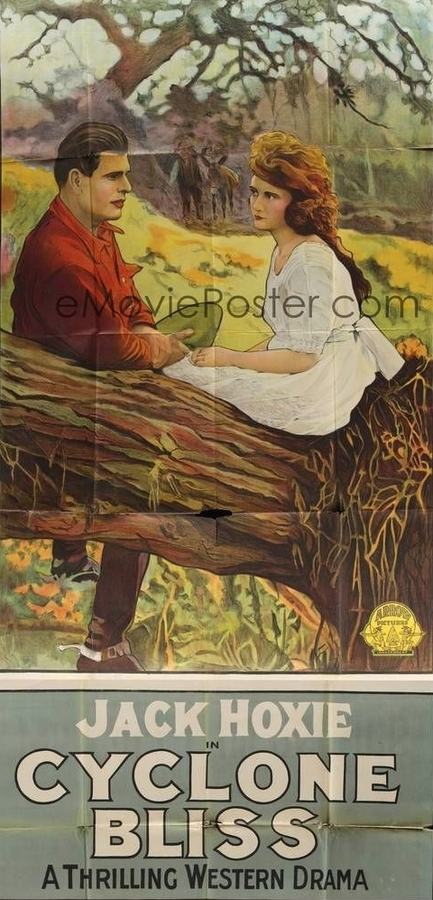
The first thing that strikes you about Cyclone Bliss is how willingly it lets silence bruise the screen. In 1926, when most westerns galloped toward orchestral bombast, this picture drapes itself in negative space—the creak of a saddle, wind worrying a grave marker, the metallic cough of a Colt being cocked echoing a...
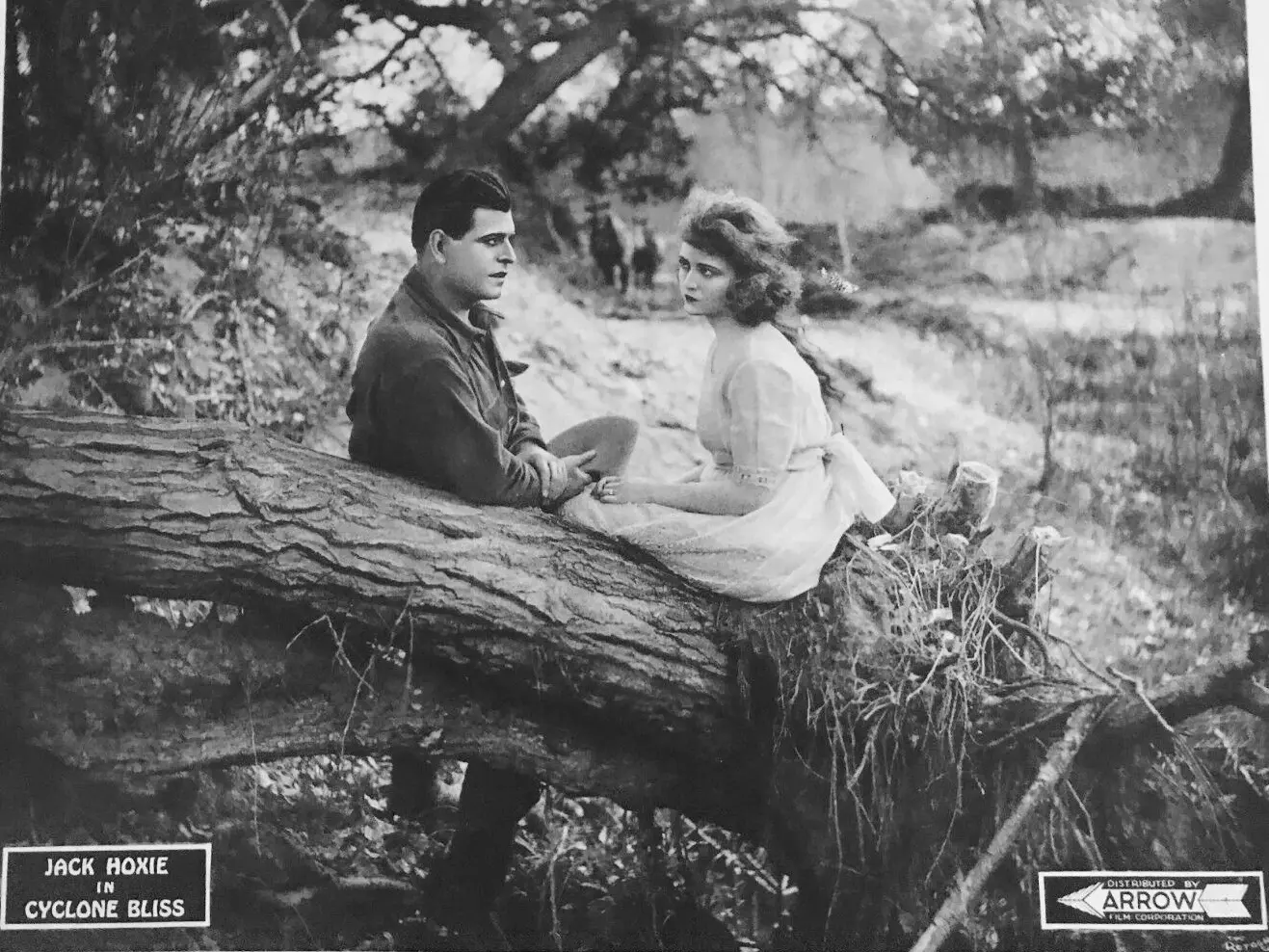
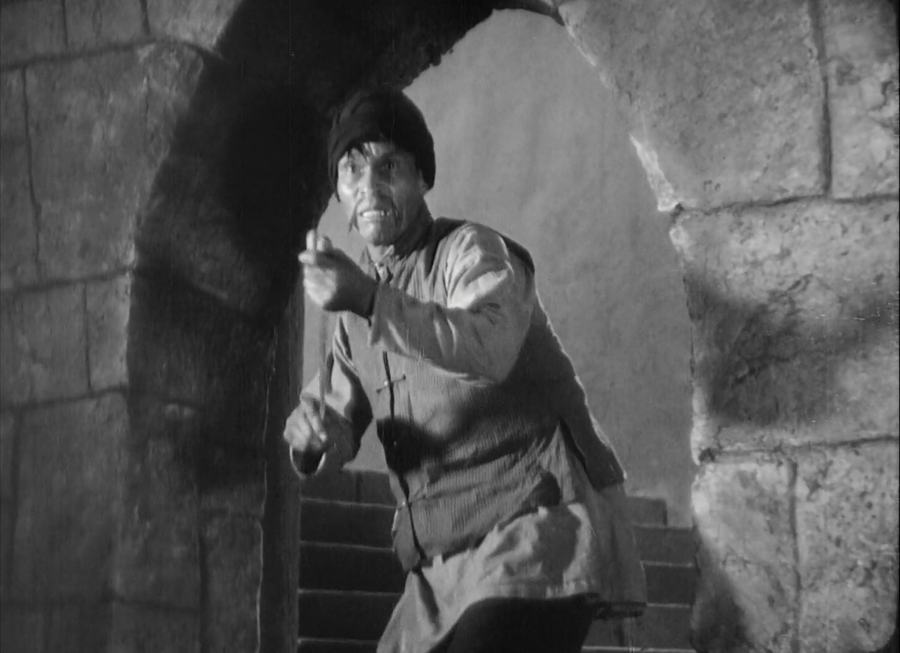
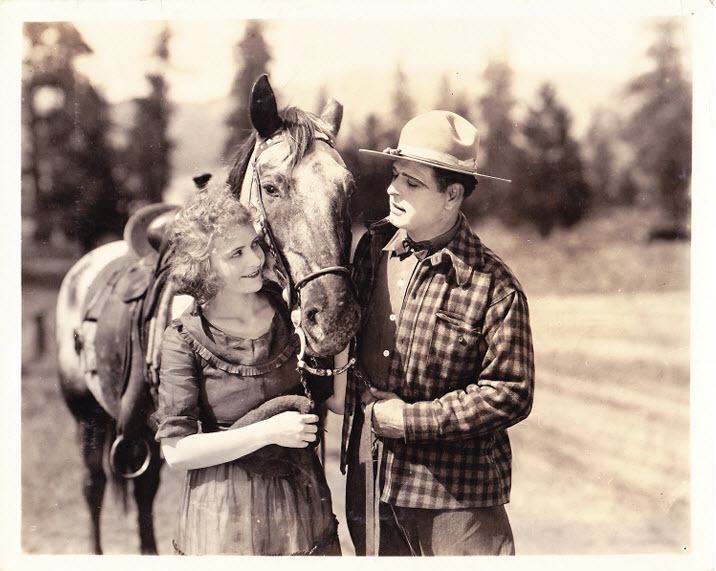
still_frame

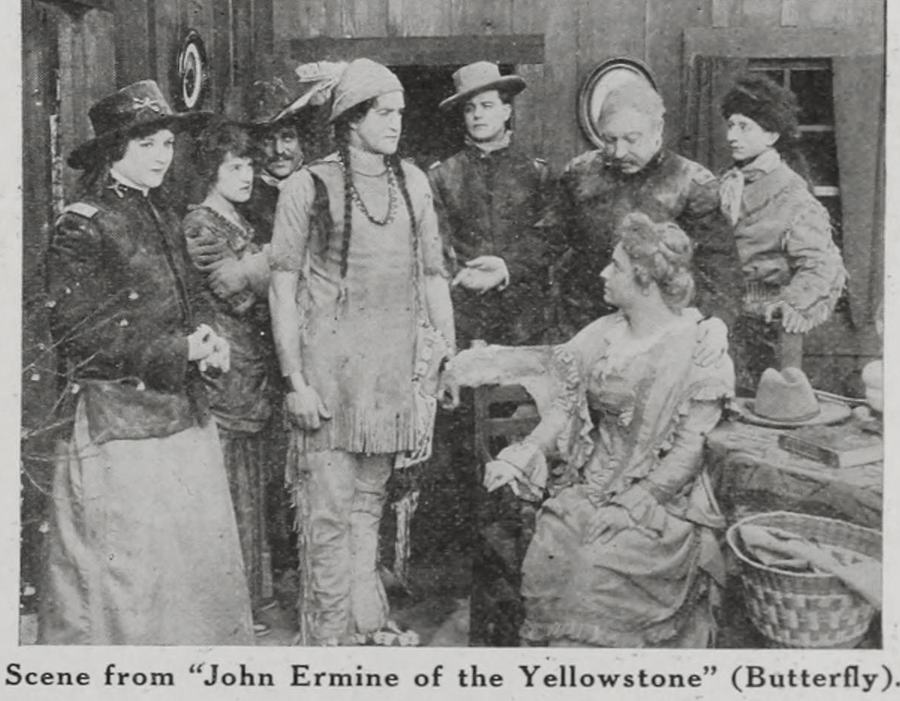
publicity


Comparing the cinematic DNA and archive impact of two defining moments in cult history.
Francis Ford
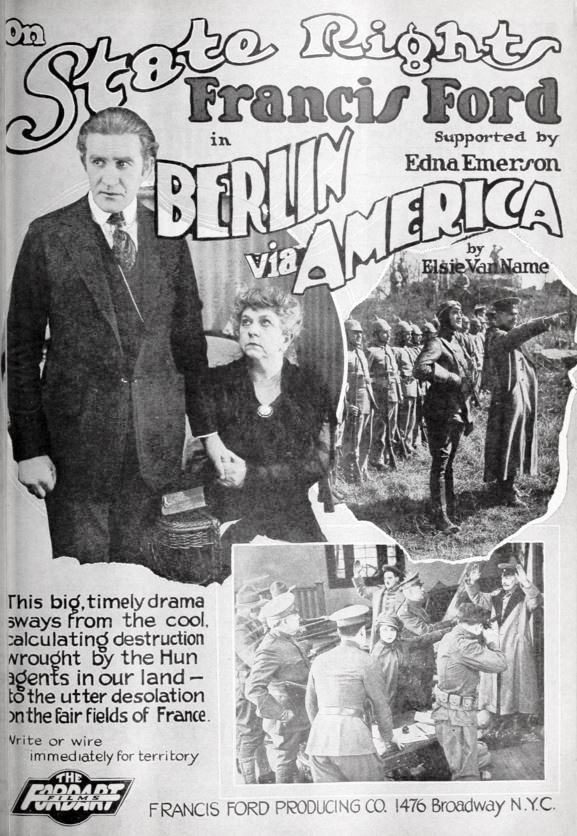
Francis Ford
Community
Log in to comment.
" The first thing that strikes you about Cyclone Bliss is how willingly it lets silence bruise the screen. In 1926, when most westerns galloped toward orchestral bombast, this picture drapes itself in negative space—the creak of a saddle, wind worrying a grave marker, the metallic cough of a Colt being cocked echoing across a canyon so barren it feels lunar. Director Fred Windemere (hiding behind the pseudonymous credit “F. W. Storm”) understands that restraint can roar louder than any orchestra..."
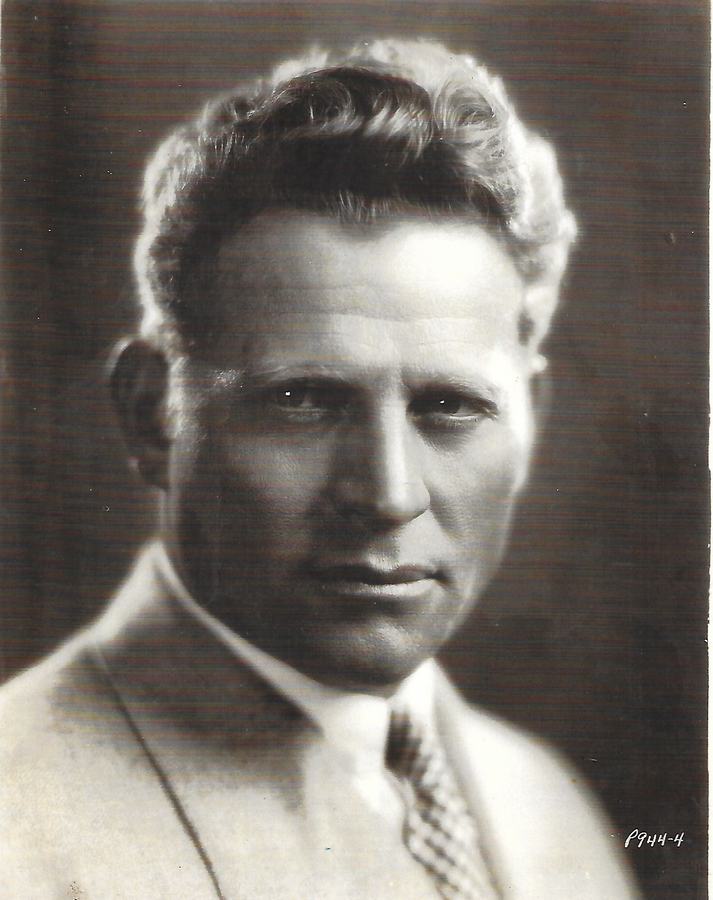
Fred Kohler
United States