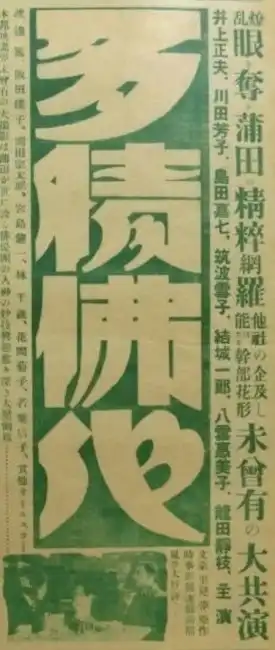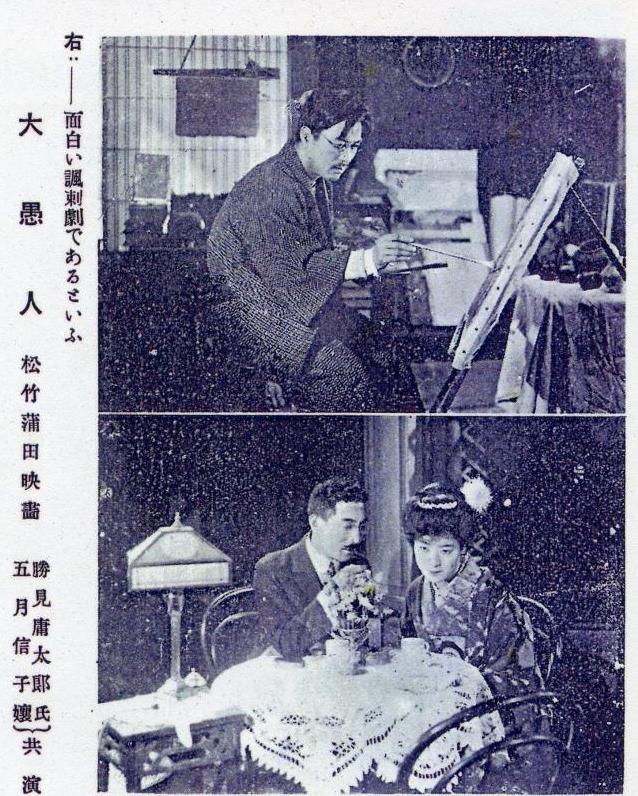
To watch 1923’s Daigujin is to witness the very marrow of Japanese silent cinema being extracted and offered up to the gods of celluloid. Directed by the polymathic Yôtarô Katsumi, who also contributed to the script alongside Mokushô Katsumi, this film is not merely a historical artifact; it is a visceral exploration...
Comparing the cinematic DNA and archive impact of two defining moments in cult history.
Yasujirō Shimazu

Dallas M. Fitzgerald
Community
Log in to comment.
" To watch 1923’s Daigujin is to witness the very marrow of Japanese silent cinema being extracted and offered up to the gods of celluloid. Directed by the polymathic Yôtarô Katsumi, who also contributed to the script alongside Mokushô Katsumi, this film is not merely a historical artifact; it is a visceral exploration of the tensions that defined an empire in flux. While many Western audiences might be more familiar with the sprawling epics like Potop, Daigujin operates on a much more intimate,..."
Naminosuke Horikawa
Yôtarô Katsumi, Mokushô Katsumi
Japan