DbcultAccessing Vault...
6/10
Senior Film Conservator
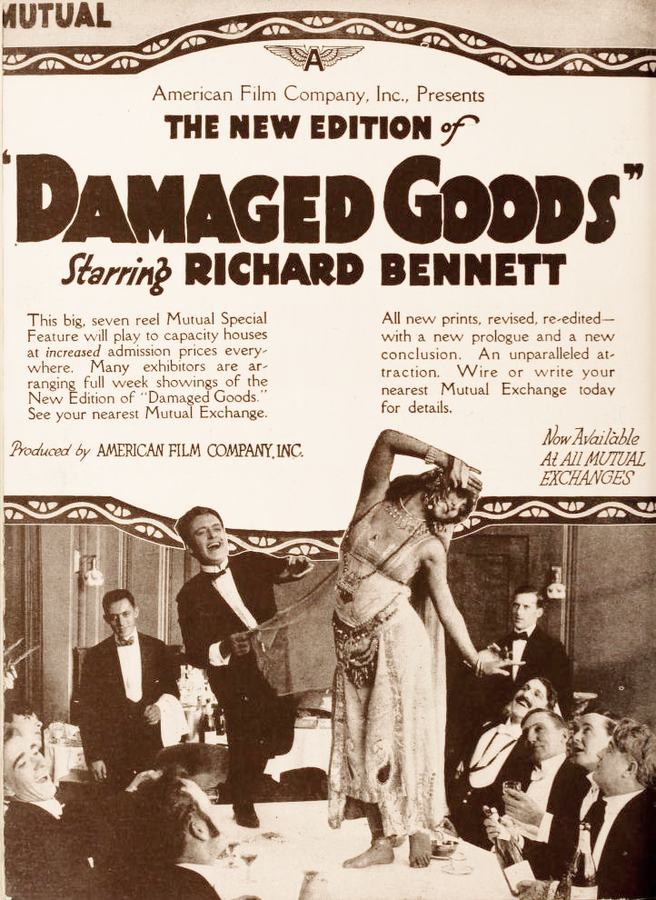
A definitive 6/10 rating for a film that redefined the boundaries of cult cinema. Damaged Goods remains a cornerstone of transgressive art.
Cinema has always flirted with the forbidden, but few silents dare to rub our noses in the stench of consequence. Damaged Goods, released when Europe was still insisting honor would keep its sons alive, is a cinematic hand grenade lobbed into drawing-room respectability.
The picture opens on a streetlamp flickering like a faulty moral compass. A medical student—cocky, starved for sensation—slips into the maw of a bordello. The camera, shy but merciless, frames only gloved hands, a half-open door, a woman’s shoe abandoned like a shed skin. Cut to a close-up of a public-health poster: “One moment of pleasure—lifetime of pain.” The intertitle could be laughed off were it not for the dermatological nightmares that follow—pustules rendered in hand-tinted crimson, each frame pulsing with Methodist fury.
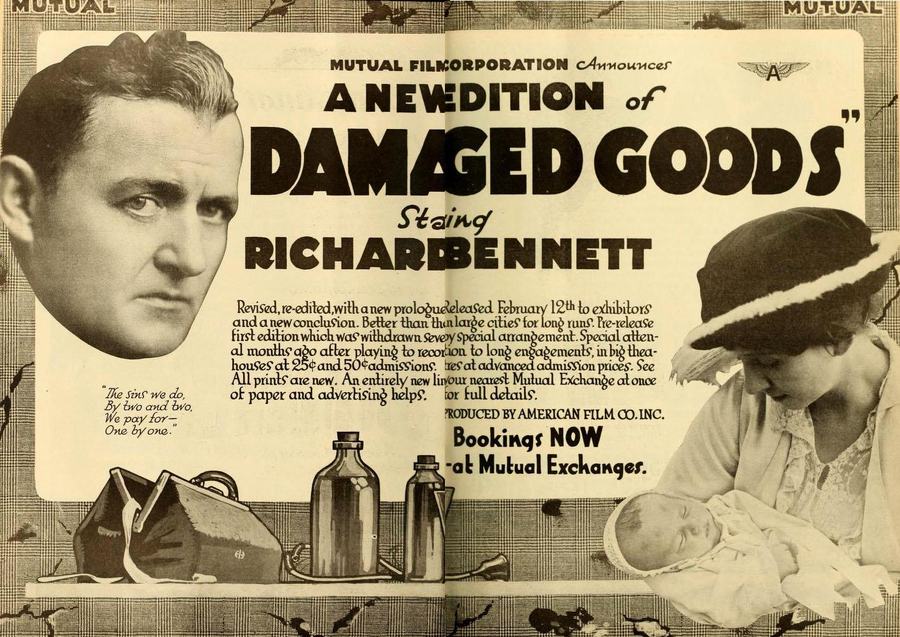
What separates Damaged Goods from other “educational” exploitation tracts is its refusal to quarantine guilt within the slum. The bacillus boards carriages, ascends staircases, infiltrates wedding cakes. Bennett, who co-wrote the adaptation of Eugène Brieux’s scandalous play, understood that syphilis is not a moral verdict but a social relay race. The film’s most chilling sequence cross-cuts between a champagne toast and a maternity ward: bubbly effervescence rhymes with oxygen tents; bridal lace rhymes with shroud. The montage predates Eisenstein by a decade yet hits harder because it is tethered to flesh we have caressed on-screen for reels.
“We are not punished for our sins; we are punished by them,” reads a title card, the serif type slightly smudged—as though even the text were infected.
Adrienne Morrison, matriarch of the Barrymore dynasty, embodies the terror of innocence colliding with knowledge. Her eyes—huge, wet, perpetually startled—track across the frame like those of a trapped deer. When she learns her infant’s rash mirrors her husband’s hidden lesions, her scream is never shown; instead, Pollard cuts to a porcelain doll crashing to the floor, its bisque head fracturing into a spider web. The metaphor is blunt yet ineffably cruel, predicting the shards of trust that can never be reassembled.
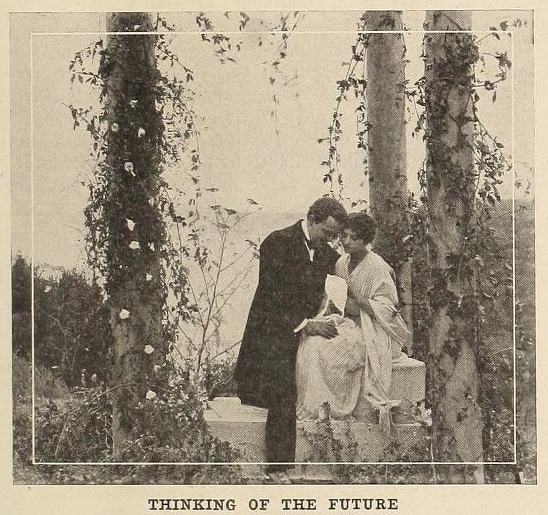
William Bertram’s physician, part scientist-part priest, supplies the film’s only glimmer of redemption, though even he is filmed in half-shadow, as if the cinematographer feared full illumination might reveal the limits of medicine. In a bravura set-piece lit by a single kerosene lamp, he shows Bennett spirochetes squirming beneath a microscope. The insertion of genuine scientific footage into melodrama was revolutionary; audiences fainted, clerics sermonized, censors snipped whole reels. Yet the film’s true heresy lies deeper: it insists that respectability cannot be stitched from denial.
Richard Bennett’s performance is a masterclass in corporeal decline. Watch how his gait changes—erect and predatory in the prowl, slightly lopsided after the first chancre, shoulders folding inward like burnt paper as disseminated disease eats cartilage. The camera lingers on his gloved hands, first flexing with carnal anticipation, later trembling while he signs a life-insurance policy he knows will never mature. Bennett understood that the body keeps the score long before therapists coined the phrase.
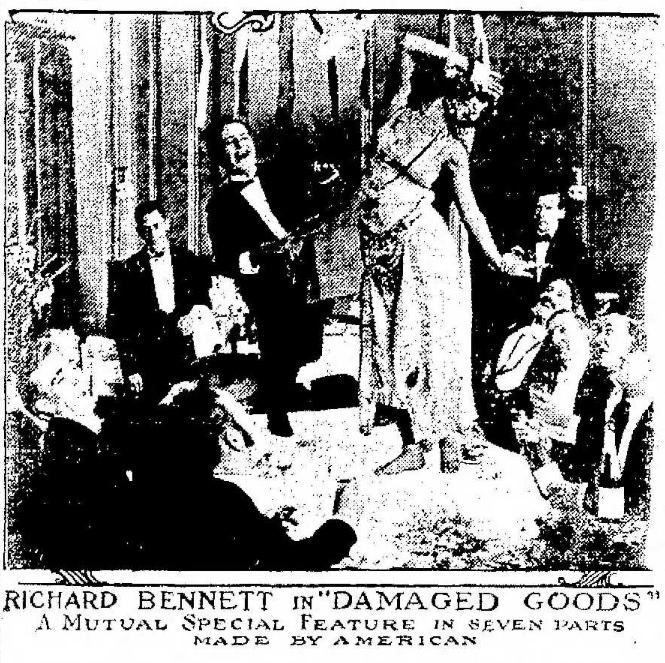
Louis Bennison, as the libertine friend who first drags him into the brothel, supplies a grotesque mirror. Where Bennett radiates guilt, Bennison exudes the smugness of the incurious. His comeuppance—blindness followed by debtor’s prison—plays like Grand Guignol, complete with matte-painted iron bars superimposed over his sightless eyes, a visual rhyme suggesting that moral blindness and literal darkness are siblings.
Yet the film’s most radical gambit is its temporal sprawl. A dissolve skips five years: the same bedroom, now a nursery, wallpaper peeling like eczema. Jacqueline Moore’s child character, previously giggling, now lies fevered, spine contorted. The camera dollies back to reveal Maud Milton’s doctor entering with a death certificate instead of a lullaby. The ellipsis is ruthless; it tells us that time, not tyrant, is the ultimate censor of joy.
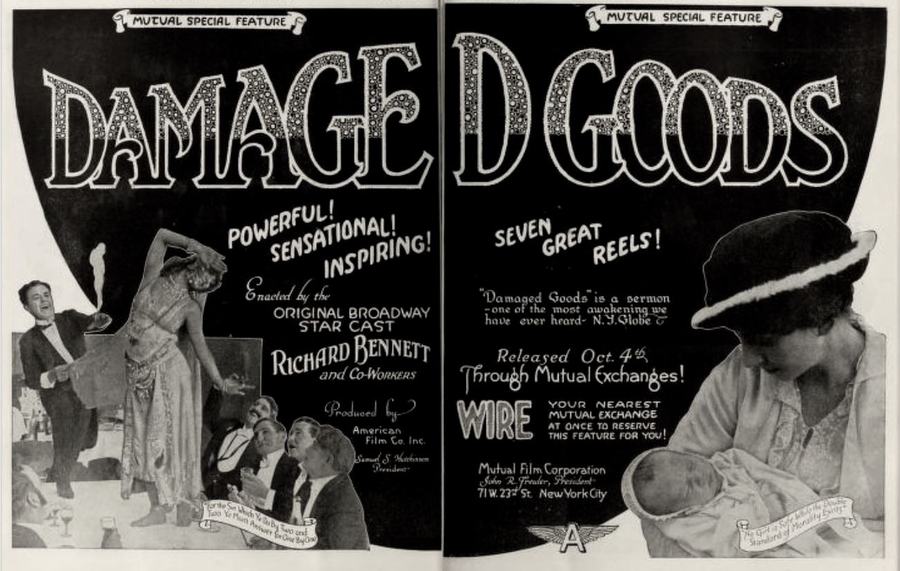
Compare this with the spiritually didactic tableaux of Life of Christ or the orientalist pageantry of A Prince of India. Those films externalize sin into historical or exotic distance; Damaged Goods drags it into the marital bed, smears it on monogrammed sheets, and refuses to let the laundry cycle erase the stain.
Critics often pigeonhole Damaged Goods as a “sex hygiene” screed, akin to classroom scare reels. Such taxonomy flattens the artistry. The shot construction is redolent of late Tenniel illustrations—deep chiaroscuro, faces haloed by pitch. The tinting strategy is psychologically astute: sickly sea-green for hospital corridors, sulfur yellow for the brothel’s antechamber, a bruised violet for the marital home after truth detonates. These chromatic choices prefigure the coded palettes of Balletdanserinnen and even the feverish oranges of Revolución Orozquista.
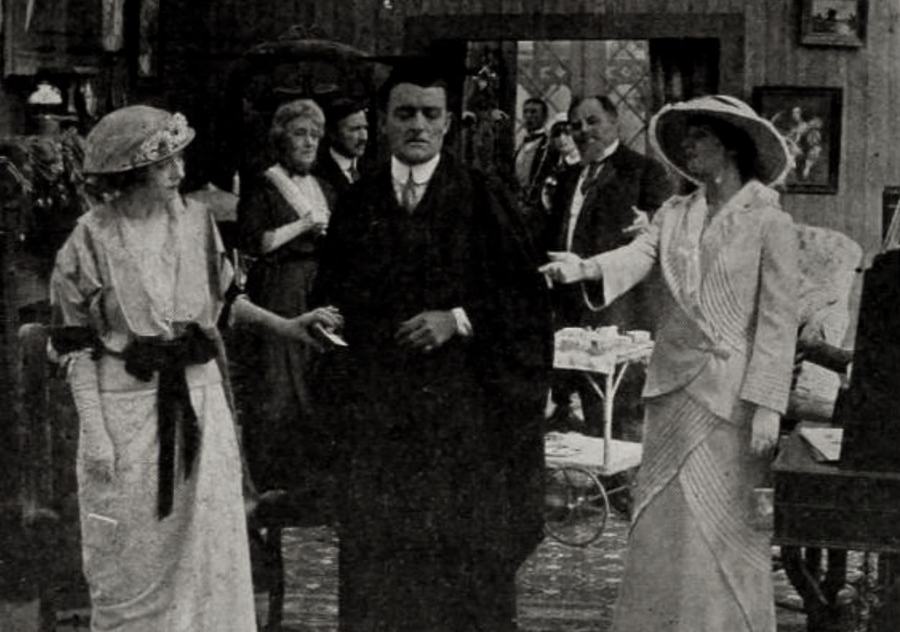
The screenplay, adapted from Brieux’s 1902 play Les Avariés, streamlines parliamentary debates and bourgeois chatter into visual haiku. A parliamentary speech about public-health funding becomes a single insert of a legislator yawning beside a mountain of untouched pamphlets—a gag at once cynical and efficient. Bennett and Pollard excise the original’s third-act courtroom moralizing, opting instead for a coda set on a windswept hillside. There, the bereaved couple plants a tree above their child’s grave. The sapling bends in the gale, a mute prophecy that the next generation will fare no better unless society grafts new ethics onto old roots.
Contemporary reviewers oscillated between pearl-clutching and grudging awe. The New York Evening Mail called it “an open drain on the avenue of art,” while Margaret Sanger praised its “surgical honesty.” Such polarized reception underscores the film’s potency: it refuses to be hygienic, polite, or reassuring. Even its title card typography—jagged, hand-lettered—feels infectious.
From a modern vantage, certain gestures feel schematic: the seductress with a heart of gold, the doctor who doubles as chorus. Yet schematic does not equal ineffective. The film’s didacticism is weaponized, its sentimentality a Trojan horse for public-health napalm. One exits the screening chastened, yes, but also weirdly awakened to the porousness of skin, the permeability of bloodlines, the fragility of civic illusions.
Arrow’s 4K restoration rescues nuance from the fog of dupes. Grain swarms like bacteria across pale cheeks; the flicker becomes a pulse. The new score—string quartet punctuated by glass harmonica—evokes both lullaby and lab culture, wedding march and funeral dirge. Viewers allergic to silent cinema may carp at the exaggerated mime; those attuned to gestural storytelling will savor how a single quiver of Morrison’s lip conveys entire epidemiological treatises.
Ultimately, Damaged Goods survives not as cautionary pamphlet but as blistering artwork—one that locates tragedy not in the brothel but in the denial that follows. It whispers that every social contract is incubated in the body, and the body always, eventually, demands payment. The film’s final image—an empty rocking chair creaking in stop-motion—haunts longer than any monster or massacre, because it is our seat, our lineage, our unspoken complicity rocking back into darkness.

IMDb 7.1
1936
Community
Log in to comment.