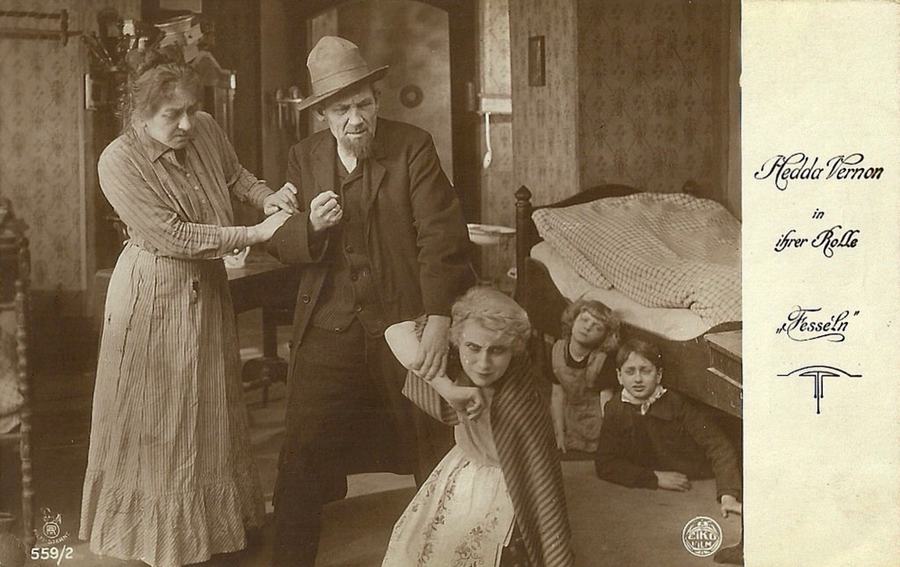
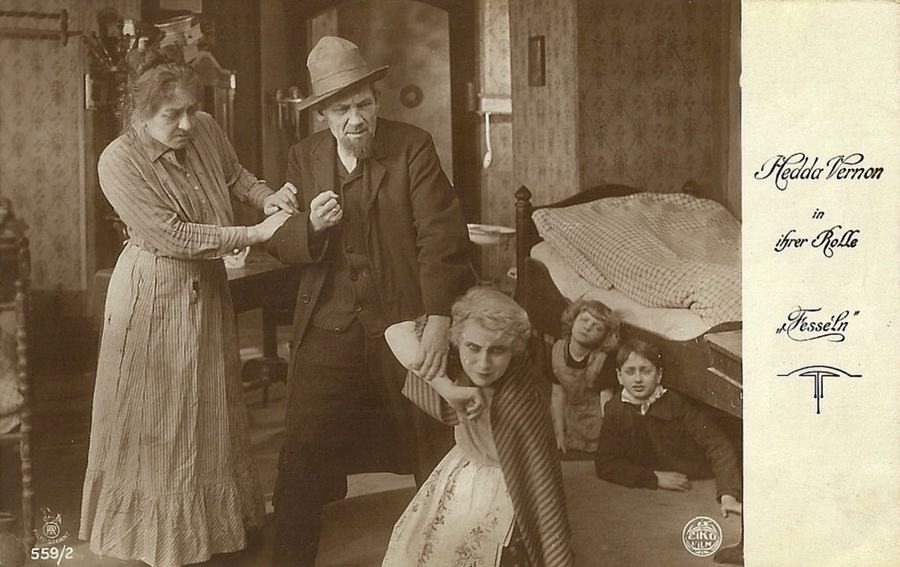
Fesseln, or *Chains*, is a 1930 German expressionist film that clings to the soul like barbed wire. Directed by Richard Wilde (yes, the writer-director shares the surname with lead actor Erich Wilde, a deliberate narrative echo of familial and artistic entanglements), this film is a masterstroke of visual and thematic ...
production_art
Comparing the cinematic DNA and archive impact of two defining moments in cult history.
Hubert Moest
Hubert Moest
Community
Log in to comment.
"Fesseln, or *Chains*, is a 1930 German expressionist film that clings to the soul like barbed wire. Directed by Richard Wilde (yes, the writer-director shares the surname with lead actor Erich Wilde, a deliberate narrative echo of familial and artistic entanglements), this film is a masterstroke of visual and thematic dissonance. It’s the kind of work that demands you lean forward in your seat, fingers gripping the armrests as if you, too, are bound to the screen by invisible threads.Set in a de..."