Summary
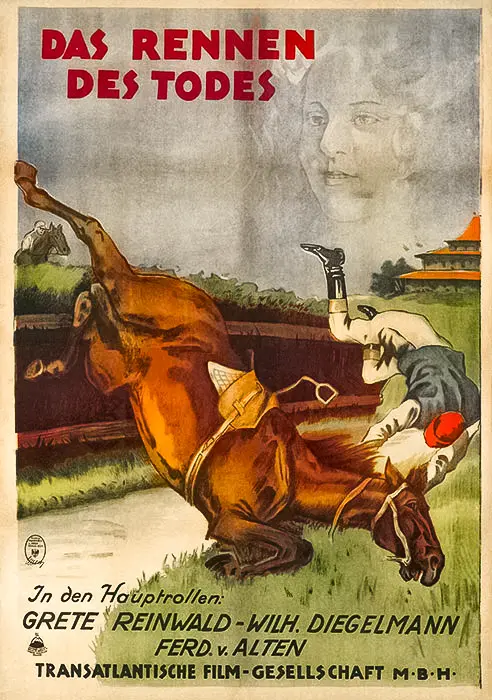
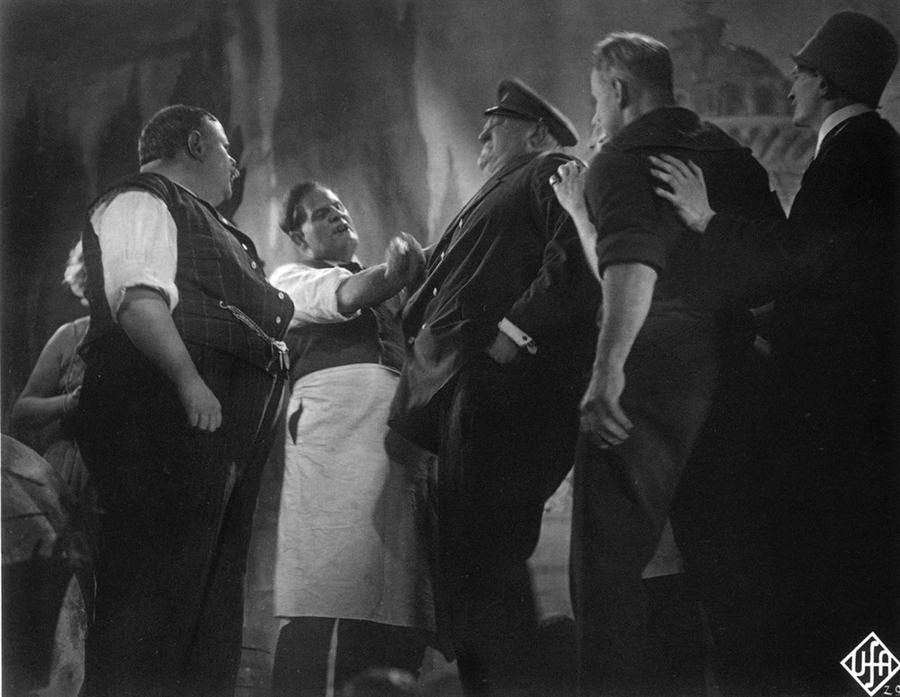
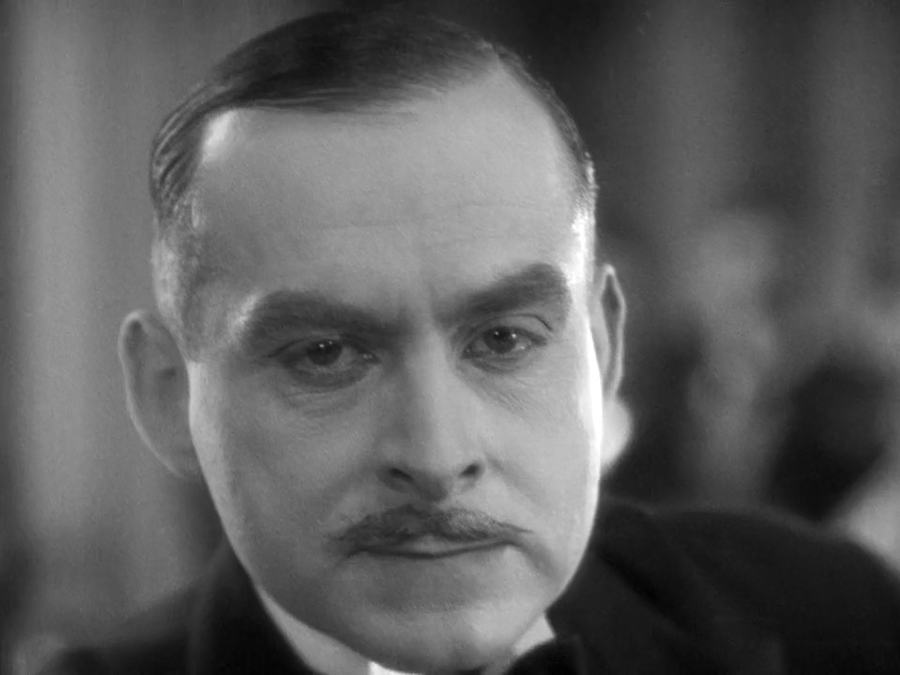
In the labyrinthine world of early 20th-century European aristocracy and cutthroat industrialism, 'Das Rennen des Todes' unfurls a gripping narrative of inheritance, betrayal, and redemption, all hinged upon a perilous transcontinental automobile race. At its core lies the Machiavellian will of the dying magnate, Herr Klinger, portrayed with chilling gravitas by Wilhelm Diegelmann, who decrees that his vast empire shall pass to the victor of this deadly automotive gauntlet. Enter Erich von Hagen (Nico Zeh), a brilliant but unjustly maligned engineer, whose father's reputation was tragically ruined by Klinger. Hagen, driven by a dual quest for vindication and the hand of Klinger's spirited daughter, Elara (Grete Reinwald), finds himself pitted against the formidable and utterly ruthless Count Viktor Volkov (Ferdinand von Alten). Volkov, a man whose charm masks a serpentine ambition, employs every conceivable stratagem, from sophisticated sabotage orchestrated by his cunning accomplice, Lothar (Ralph Mathari), to psychological warfare, to ensure Hagen's downfall. As the race hurtles through treacherous mountain passes, desolate plains, and bustling urban centers, the competitors face not only the mechanical failures and natural perils of the road but also the insidious traps laid by Volkov. Aiding Hagen is his loyal mechanic, Jan (Carlos Ruiz), and an unexpected ally in the form of a former associate of Klinger, Josef (Josef Commer), who holds crucial information about the magnate's past and Volkov's true intentions. The film masterfully interweaves the adrenaline-fueled spectacle of the race with a poignant love story and a morally complex exploration of legacy and justice, culminating in a breathtaking climax where the true cost of ambition and the enduring power of integrity are laid bare on the unforgiving asphalt.
Review Excerpt
"
Das Rennen des Todes, a cinematic relic from an era when storytelling was etched in shadows and grand gestures, emerges from the archives not merely as a historical curiosity but as a potent testament to the silent film's capacity for profound emotional resonance and gripping narrative. Directed with a keen eye for both spectacle and intimate human drama, this film, whose precise genesis remains somewhat shrouded in the mists of time, stands as a formidable exemplar of the melodram..."