DbcultAccessing Vault...
7/10
Senior Film Conservator
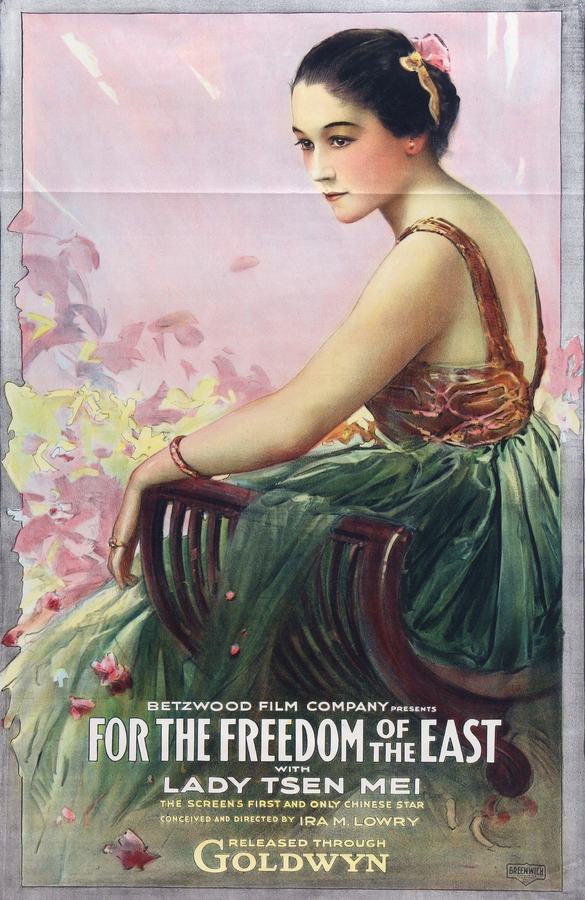
A definitive 7/10 rating for a film that redefined the boundaries of cult cinema. For the Freedom of the East remains a cornerstone of transgressive art.
In an era defined by global upheaval and shifting allegiances, 'For the Freedom of the East' emerges as a cinematic chronicle of exceptional ambition, weaving together the intricate threads of international espionage, fervent nationalism, and the tumultuous landscape of personal desire. Set against the fraught backdrop of World War I, this narrative plunges into a China wrestling with the encroaching shadows of foreign powers, particularly the formidable German Empire. The film, a potent historical drama infused with the high stakes of a spy thriller, deftly captures the moral ambiguities and existential dilemmas faced by individuals caught in the maelstrom of geopolitical conflict. It is a story less about grand battles and more about the quiet, often agonizing, struggles waged within the hearts and minds of its protagonists, particularly its central figure, the indomitable Princess Tsu.
The film's opening establishes a palpable sense of urgency and simmering resentment. China, ostensibly neutral, is portrayed as a prize in the larger European conflict, its sovereignty constantly threatened by external forces. Princess Tsu, portrayed with compelling intensity by Lady Tsen Mei, is not merely a figure of aristocratic lineage but a beacon of resistance. Her leadership of a clandestine group dedicated to purging German influence speaks volumes about the burgeoning nationalist sentiment of the time. This isn't just about political maneuvering; it's about cultural preservation, self-determination, and the fierce defense of a nation's soul. Her commitment is absolute, her methods necessarily covert, echoing the desperate measures taken by patriots in occupied territories worldwide. The stakes are immediately clear: the fate of China hangs in a delicate balance, swayed by the machinations of both foreign powers and opportunistic domestic figures.
The narrative's central conflict crystallizes with the revelation of the Chinese viceroy's treacherous alliance with Germany. This isn't merely a political pact; it's a profound act of betrayal against his own people, driven by a naked hunger for power. The viceroy's decision to raise an army to aid Germany against Russia underscores the complex, often contradictory, allegiances that characterized the era. For Princess Tsu, this discovery is a seismic shock, transforming her fight against external aggressors into a battle against internal corruption. It elevates the conflict from a simple us-versus-them dynamic to a more nuanced exploration of loyalty and treason within one's own borders. The film brilliantly uses this plot point to highlight the often-overlooked internal struggles within nations during global conflicts, a theme that resonates with other historical dramas exploring divided loyalties, such as Obryv, though perhaps less overtly romanticized.
Princess Tsu's audacious theft of the written agreement is a pivotal moment, showcasing her courage and strategic acumen. This act of defiance is not just a plot device; it's a powerful statement of her unwavering commitment to her cause. Her decision to entrust these vital papers to American agent Robert Kenyon (played by Robert Elliott) introduces the romantic core of the story. Their burgeoning affection, forged in the crucible of shared danger and mutual respect, adds a deeply human layer to the high-stakes espionage. This is a classic cinematic trope—the spy who falls in love with their contact—but here, it's infused with a particular poignancy given the cultural and political chasm separating them. The chemistry, though likely subtle given the era's acting conventions, is implied through their shared purpose and the inherent risks they undertake together.
The entry of Prince Kang (Lai Mon Kim) as Tsu's jealous fiancé introduces a potent element of personal betrayal and emotional manipulation. Kang's malicious fabrication about Kenyon's betrothal is a masterstroke of dramatic tension. It weaponizes the princess's deepest fears and insecurities, turning her love into a tool for revenge. This moment is crucial for understanding Tsu's complex character arc. Her subsequent act of informing German agent Von Richtman (Ben Hendricks Jr.) about Kenyon's possession of the papers is not merely a villainous turn but a deeply human reaction to perceived heartbreak and betrayal. It paints her not as a flawless heroine, but as a woman susceptible to the passions and vulnerabilities that define us all. This kind of emotional turbulence, where personal feelings directly impact national security, is reminiscent of the moral quandaries explored in films like Draft 258, where personal relationships become entangled with wartime duties, albeit with different resolutions.
The narrative's climax, unfolding in Washington, D.C., represents the ultimate test of Princess Tsu's character. Von Richtman's deployment of henchmen to apprehend Kenyon before he can reach the Secretary of State creates a thrilling race against time. This sequence, undoubtedly designed for maximum suspense, would have relied on rapid pacing and dramatic visual cues to convey the urgency of the situation. It is here that Tsu's internal struggle reaches its zenith. The film posits a profound question: can personal heartbreak override one's duty to country? In a powerful act of redemption and unwavering patriotism, Tsu foils the German plot. This pivotal decision is not driven by renewed affection for Kenyon, but by a deeper, more fundamental love for her nation. It signifies her transcendence of personal grievances, highlighting a maturation of character where national interest unequivocally triumphs over individual suffering. This moment of clarity and sacrifice is what elevates 'For the Freedom of the East' beyond a simple melodrama, imbuing it with significant thematic weight.
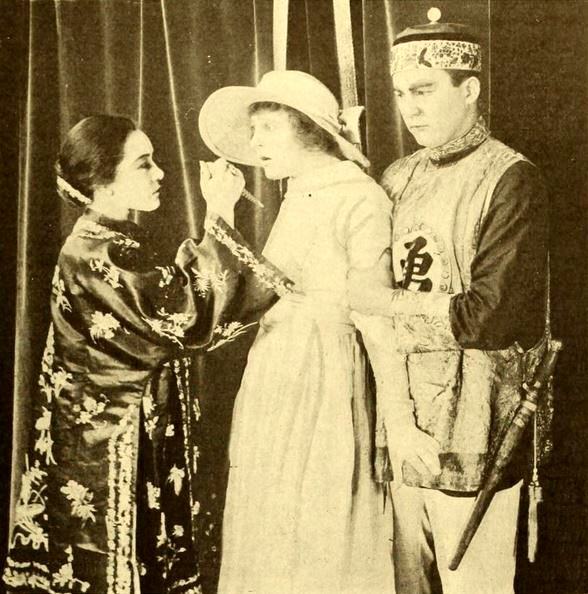
The resolution of Princess Tsu's journey is particularly intriguing. Aware of her great love for Prince Kang – a love that, despite his deception, perhaps never truly faded, or was perhaps a love of duty and tradition – she returns to China and marries him. This ending is far from a simplistic 'happily ever after.' Instead, it suggests a profound acceptance of her destiny, a reconciliation of her personal desires with her societal obligations. It implies that her love for Kang, complex and perhaps tinged with the understanding of his flaws, is rooted in a deeper cultural or familial bond that ultimately proves stronger than the fleeting romance with Kenyon. This particular resolution is quite distinct from the more straightforward romantic conclusions often seen in films of the era, such as The Dream Lady, which prioritize romantic fulfillment above all else. Here, the film dares to suggest a more nuanced view of love and duty, where sacrifice for the greater good, even in one's personal life, is paramount.
While specific details on directorial choices and intricate acting nuances from this early cinematic period are often scarce, the narrative structure itself suggests a production of considerable scope for its time. The casting of Lady Tsen Mei as Princess Tsu was undoubtedly crucial. Her portrayal would have needed to convey not just regal bearing but also fierce intelligence, vulnerability, and ultimately, an unyielding strength of character. The other cast members, including Ben Hendricks Jr. as the menacing Von Richtman, Robert Elliott as the earnest Kenyon, and Lai Mon Kim as the conflicted Prince Kang, would have contributed to a vibrant tapestry of characters, each serving a distinct dramatic purpose. The success of such a film would have hinged on their ability to embody these archetypes with conviction, even within the more theatrical acting styles prevalent in early cinema. The writers, Ira M. Lowry, J. Allan Dunn, and Russell E. Smith, crafted a narrative that, while perhaps melodramatic by modern standards, was rich in dramatic potential and moral complexity, navigating themes that remain relevant today.
The visual aesthetic of 'For the Freedom of the East' would have been critical in establishing its exotic locales and the tension of its spy elements. From the opulent interiors of the Chinese court to the bustling streets of Washington, the set designs and costuming would have played a vital role in immersing the audience in its distinct worlds. The film likely employed dramatic lighting and shadow to enhance the suspense inherent in espionage sequences, a technique common in films of the era that aimed for heightened drama, much like the atmospheric tension explored in Called Back. The use of chase sequences and clandestine meetings would have demanded innovative camera work and editing to maintain a gripping pace, ensuring that the audience remained on the edge of their seats.
'For the Freedom of the East' stands as a compelling artifact of early cinema, not just for its ambitious plot but for its exploration of enduring human themes. It speaks to the universal struggle between personal desire and national duty, the corrosive power of jealousy, and the redemptive force of patriotism. Princess Tsu's journey is a powerful testament to the idea that true heroism often involves profound personal sacrifice, and that the path to freedom, both national and personal, is rarely straightforward. Her ultimate choice to return to Prince Kang, despite the heartbreak inflicted by his deception, paints a complex portrait of a woman who prioritizes her country's stability and her cultural obligations, even if it means foregoing a love born of thrilling adventure.
The film's exploration of Chinese nationalism during WWI is particularly noteworthy. It offers a glimpse into a historical period often overshadowed by European narratives, highlighting China's active role and its internal dynamics during a time of immense global change. This makes 'For the Freedom of the East' more than just an entertaining spy thriller; it's a significant historical document that reflects contemporary anxieties and aspirations. Its layered narrative, combining elements of romance, political intrigue, and personal redemption, ensures its place as a fascinating example of early cinematic storytelling. It reminds us that while the technologies and conventions of filmmaking evolve, the core human stories of love, betrayal, and the fight for freedom remain timeless and universally resonant, much like the enduring themes explored in other grand narratives of human spirit and sacrifice, such as Mellan liv och död, though from a different cultural lens.
In conclusion, 'For the Freedom of the East' is a masterclass in weaving complex character motivations with a high-stakes geopolitical plot. It challenges viewers to consider the true cost of liberty, the fragility of trust, and the profound sacrifices demanded by love of country. Princess Tsu emerges as a compelling heroine, whose journey from vengeful lover to national savior underscores the film's powerful message about duty, honor, and the enduring spirit of a nation fighting for its rightful place in the world. It is a film that, even from a distance of many decades, continues to resonate with its exploration of timeless dilemmas and its celebration of an unwavering spirit against formidable odds. The film, in its quiet power, suggests that the greatest victories are often won not on battlefields, but within the human heart, where loyalty and love must navigate the treacherous currents of self-interest and deceit.
IMDb —
1918
Community
Log in to comment.