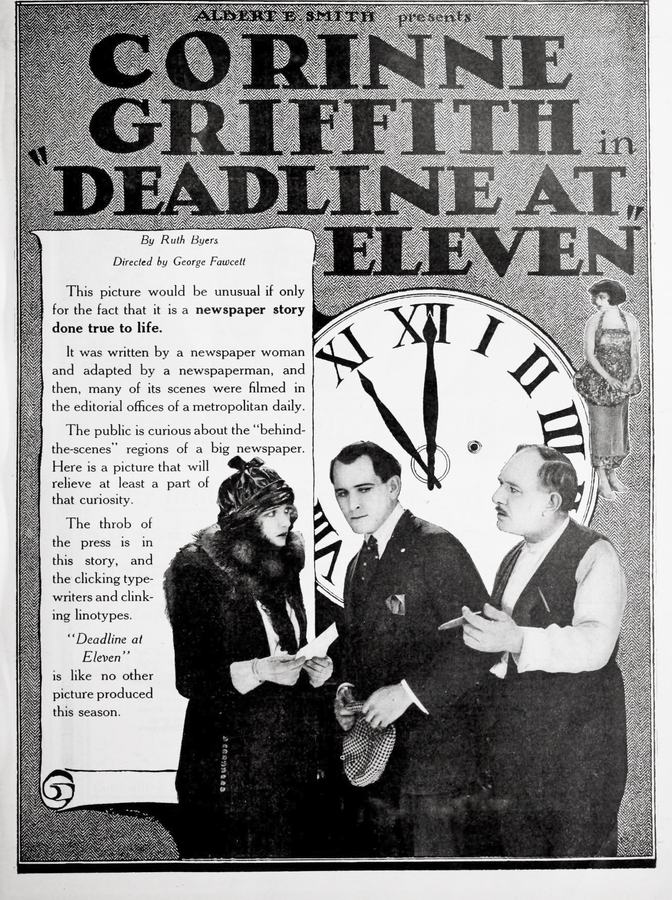
When socialite Helen Stevens obtains a job on a New York newspaper, she is met by much derision from the staff. Befriended by a heavy-drinking reporter named Jack Rawson, Helen rises to the position of advice-to-the-lovelorn columnist.
Ruth Byers, Lucien Hubbard
United States
The year 1920 marked a seismic shift in the American consciousness, a temporal bridge between the Victorian vestiges of the previous century and the burgeoning audacity of the Jazz Age. Within this cultural crucible, Deadline at Eleven emerges not merely as a piece of ephemeral entertainment, but as a fascinating art...
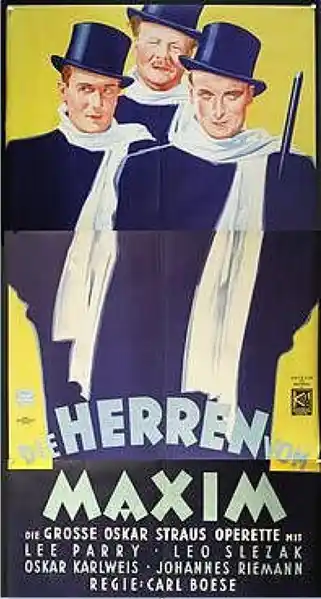
Comparing the cinematic DNA and archive impact of two defining moments in cult history.
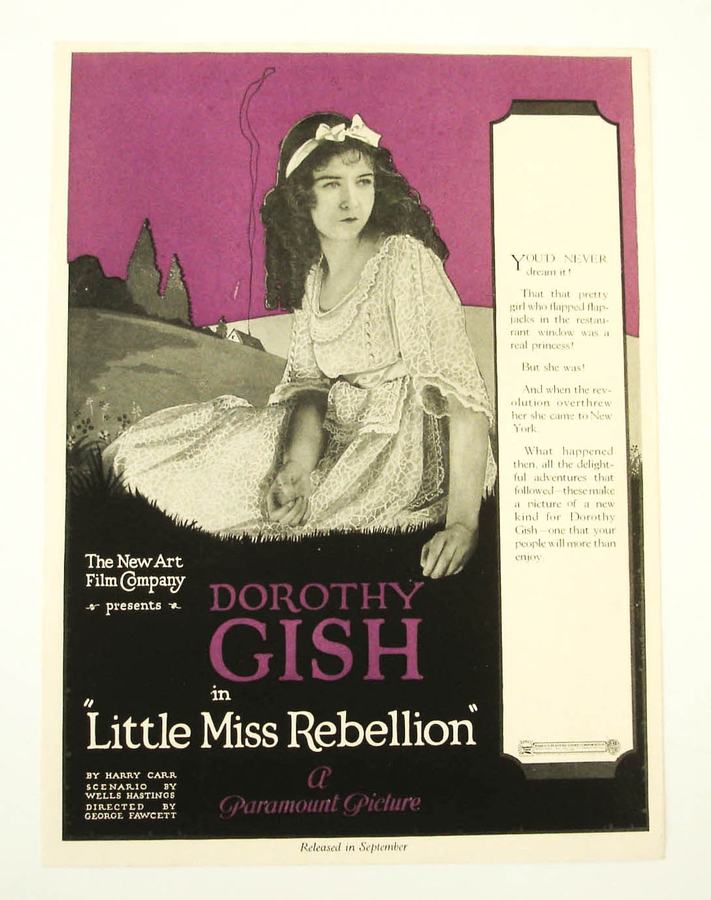
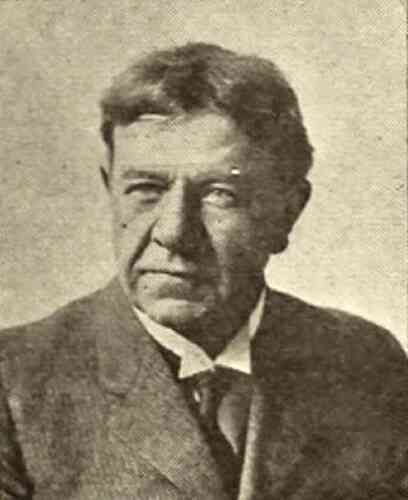
George Fawcett
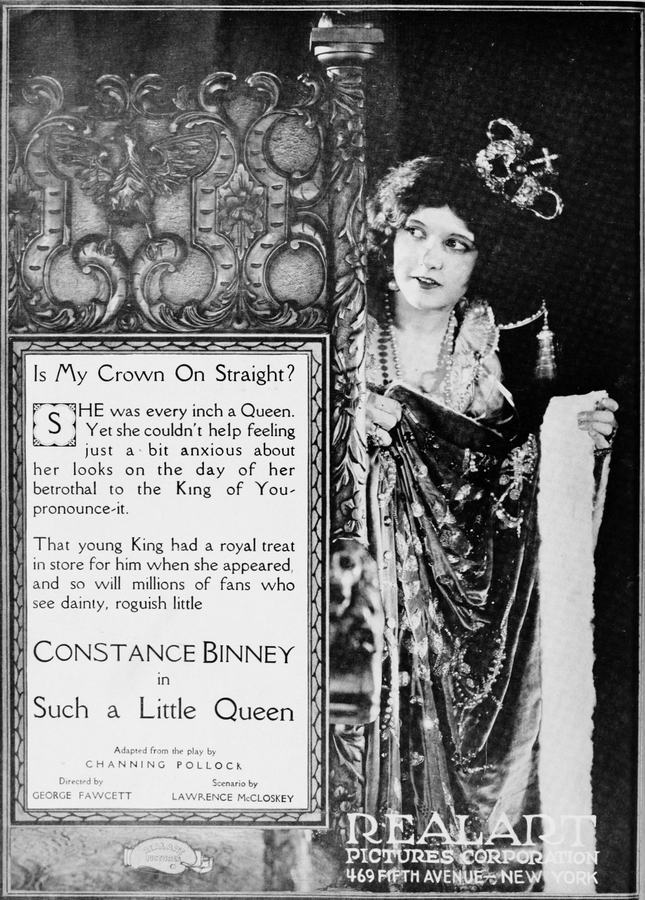
George Fawcett
Community
Log in to comment.
" The year 1920 marked a seismic shift in the American consciousness, a temporal bridge between the Victorian vestiges of the previous century and the burgeoning audacity of the Jazz Age. Within this cultural crucible, Deadline at Eleven emerges not merely as a piece of ephemeral entertainment, but as a fascinating artifact of gender politics and journalistic mythology. Directed by the often-underappreciated Lucien Hubbard and penned by Ruth Byers, the film serves as a vehicle for Corinne Griffi..."

Deep dive into the cult classic
Discover similar cinematic experiences
A Directorial Spotlight on George Fawcett