DbcultAccessing Vault...
6.9/10
Senior Film Conservator
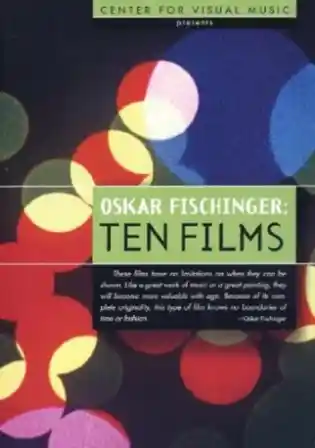
A definitive 6.9/10 rating for a film that redefined the boundaries of cult cinema. Study No. 6 remains a cornerstone of transgressive art.
Alright, so we’re talking about Study No. 6 here, and let me tell you, this isn’t for everyone. If you need a story, dialogue, or even, you know, _people_ on screen, you’re gonna be bored stiff. But if you’re curious about how movies started getting weird and wonderful, or if you just like watching shapes dance, then yeah, this is absolutely worth a watch. Art students, animation nerds, or anyone who just appreciates a good visual trip will probably dig it. Everyone else might just stare blankly for a few minutes before clicking away. And that's okay! It's not trying to be mainstream.
Oskar Fischinger’s Study No. 6 pops up from 1929. It’s a silent film, obviously, but you almost feel the music in your head. Like, a jazzy rhythm without any actual sound, if that makes sense? It's all black and white, simple stuff, but then the shapes start to move. And man, do they move.
You’ve got circles expanding, then shrinking. Lines appearing from nowhere, wiggling, then dissolving. Sometimes, a bunch of little squares just kinda _pop_ into existence, hang out for a second, then vanish. It’s like a visual drum solo, all these little beats and pulses happening on screen.
There’s this one part, maybe halfway through, where a big circle just kinda grows from the center, fills the whole screen, and then just *poof*, it’s gone, replaced by a totally different pattern. It happens so fast you almost miss the transition, but it’s really satisfying. Like a breath being taken in and let out.
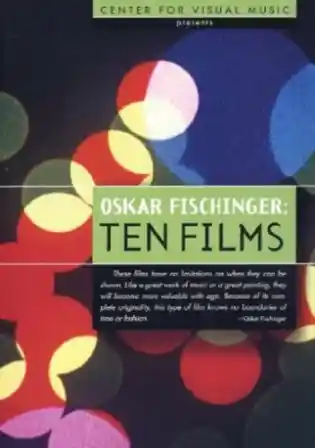
It’s very clear this is all hand-drawn. You can see the slight imperfections, the way a line might not be perfectly straight, or a circle not quite smooth. And honestly, that’s part of its charm. It feels so personal, like you’re watching someone’s artistic notes come alive. There’s a human touch there, not some sterile computer generation.
The whole thing feels super deliberate. Every movement, every appearance and disappearance, is timed. It makes you wonder how long it took Fischinger to get it all just right, drawing frame by frame. Like, that must’ve been tedious work. But the payoff is this _hypnotic_ experience. You get lost in it, if you let yourself.
Sometimes, a set of lines will just pulse outwards, then retract. Again and again. It almost feels like a heartbeat. And then suddenly, everything changes, a new pattern takes over. It keeps you on your toes, even though it’s just shapes on a screen. You expect a rhythm, then it shifts.
It doesn't tell a story. It doesn't have a message, not really. It just *is*. It’s pure motion, pure visual sensation. And in an era where every movie feels like it needs to explain itself, there’s something really refreshing about that. It just asks you to look, and maybe feel something about the movement.
Definitely not a popcorn movie. More like a quiet, focused experience. Put on some headphones, find a comfy spot, and just let it wash over you. You might find yourself surprisingly captivated by a bunch of dancing shapes from nearly a century ago.
IMDb 4.5
1932
Community
Log in to comment.