DbcultAccessing Vault...
6.3/10
Senior Film Conservator
A definitive 6.3/10 rating for a film that redefined the boundaries of cult cinema. The White Heather remains a cornerstone of transgressive art.
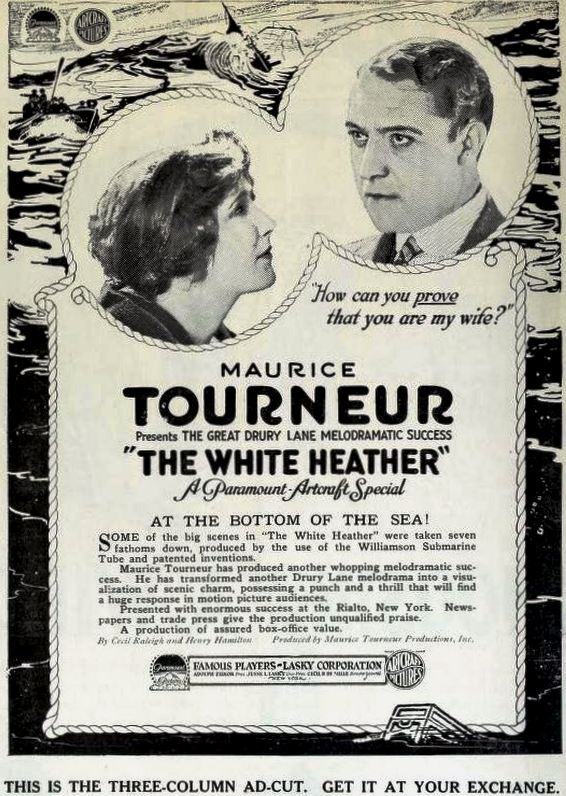
In the annals of silent cinema, where grand gestures and emotive glances spoke volumes, certain films emerge from the shadows of time to remind us of the raw power and narrative sophistication of early filmmaking. Maurice Tourneur’s 1919 drama, The White Heather, is one such luminous artifact, a sprawling tale that deftly weaves together themes of class, love, betrayal, and a desperate struggle for legitimacy. Far from being a mere historical curiosity, this film, with its intricate plot and surprisingly modern psychological depth, offers a compelling window into the social anxieties and moral quandaries of its era, all while delivering a climax that remains breathtaking even by today’s standards.
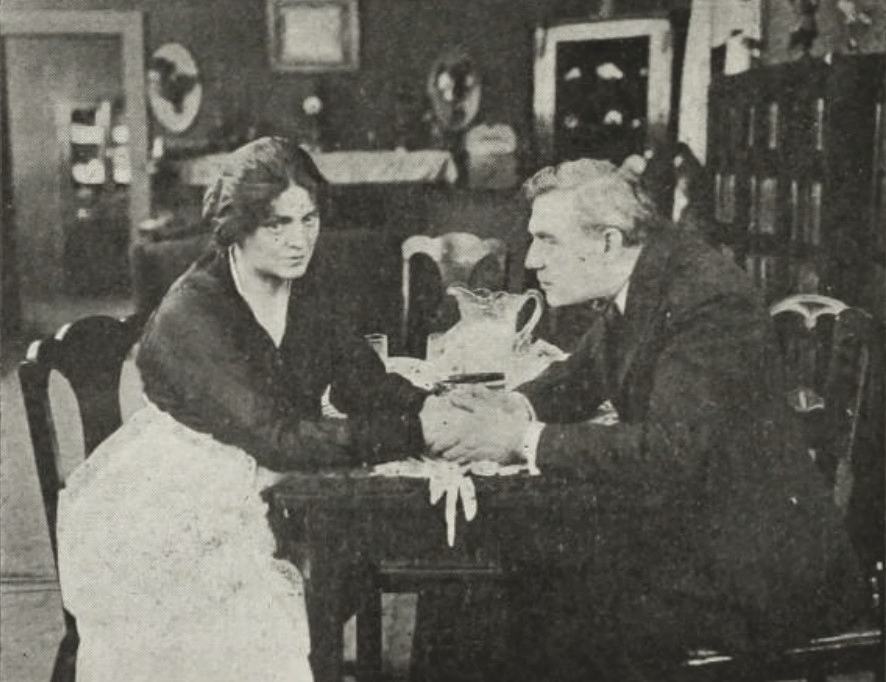
At its heart, The White Heather is a searing indictment of aristocratic privilege and the devastating consequences of societal expectations overriding personal vows. We are introduced to Lord Angus Cameron, portrayed with a conflicted intensity by Ralph Graves, a man whose future, meticulously planned by the rigid strictures of his Scottish noble class, hinges on a strategic marriage. However, this meticulously constructed edifice is built upon a treacherous foundation: a secret, years-old union with Marion Hume, the unassuming housekeeper of his ancestral castle. Mabel Ballin imbues Marion with a quiet strength and an unwavering resolve that anchors the film’s emotional core. This clandestine marriage, a fleeting moment of passion or perhaps genuine affection, is now a monumental obstacle, its only proof a fragile certificate ensconced in the watery grave of the yacht, The White Heather, herself a silent witness to forgotten promises.
Cameron, driven by ambition and a chilling disregard for his past, endeavors to repudiate this inconvenient bond, effectively erasing Marion and, more significantly, their son, from his life and lineage. This act of profound betrayal ignites Marion's fierce maternal instinct. Her subsequent journey to court is not merely a quest for personal vindication but a valiant fight for her son's rightful inheritance and identity. Here, the film deftly explores the inherent injustices faced by women in a patriarchal legal system, a theme that resonates even with contemporary audiences. Despite her undeniable claim, the absence of tangible proof leads to her defeat, a poignant commentary on the limitations of justice without evidence.
The narrative then takes a dramatic turn, plunging literally into the depths, transforming a drawing-room drama into a pulse-pounding adventure. The sunken yacht becomes the ultimate prize, holding the key to Marion's future and Cameron's freedom. Both Cameron and Alec McClintock, Marion's devoted admirer, played with earnest sincerity by John Gilbert, recognize the critical importance of retrieving the marriage certificate. McClintock's love for Marion is portrayed not as a fleeting infatuation but as a steadfast, honorable devotion, providing a stark contrast to Cameron's self-serving ambition.
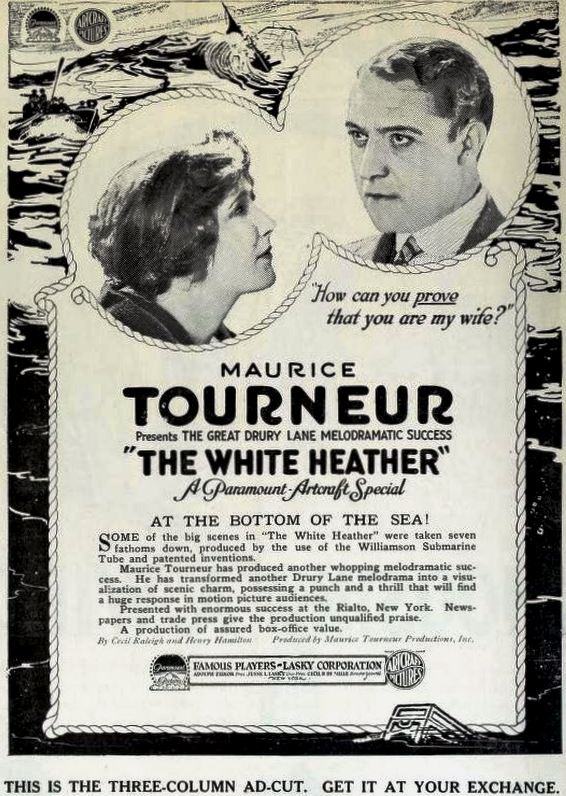
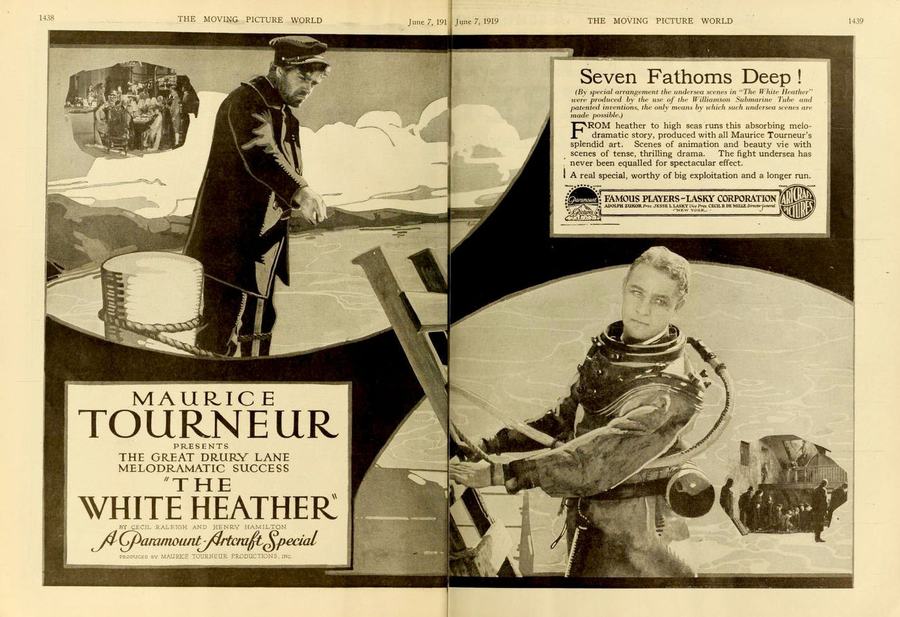
The ensuing underwater sequence is, without hyperbole, one of the most remarkable feats of early cinema. As both men don diving suits and descend into the murky abyss, the tension becomes palpable. Tourneur's direction here is masterful, utilizing the confined, alien environment to amplify the psychological stakes. The struggle that unfolds is not just a physical tussle but a visceral representation of the opposing forces at play: Cameron's desperate clinging to a life of deception versus McClintock's unwavering pursuit of truth and love. In a shocking, self-destructive act, Cameron, attempting to sever his rival's air supply, inadvertently severs his own, a poetic and tragic end to a character consumed by his own machinations. This dramatic death, a consequence of his own malice, serves as a powerful moral lesson, reinforcing the film's underlying ethical framework.
McClintock, emerging from the watery grave with the retrieved certificate, not only secures Marion's legitimacy but also wins her hand, a triumphant conclusion that celebrates integrity and true affection over superficial status. It's a resolution that, while perhaps conventional in its romantic outcome, feels earned through the crucible of struggle and sacrifice.
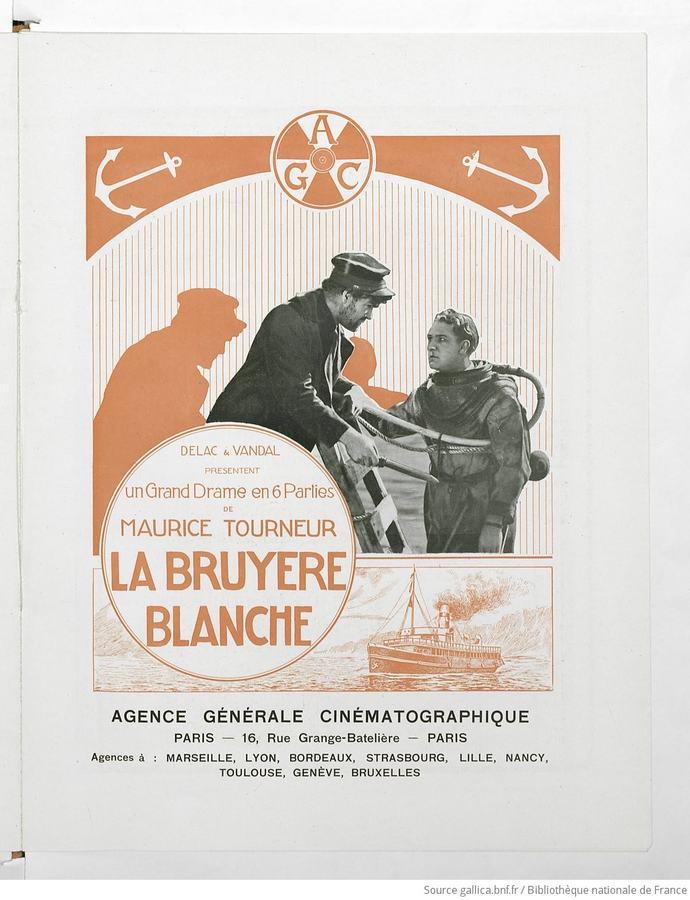
The success of any silent film hinges on the ability of its cast to convey complex emotions without dialogue, relying solely on facial expressions, body language, and the occasional intertitle. The cast of The White Heather rises to this challenge admirably. Ralph Graves, as Lord Angus Cameron, paints a portrait of a man torn between desire and duty, his arrogance slowly giving way to desperation. His performance in the underwater scene, though obscured by diving gear, still manages to convey a chilling sense of frantic struggle and ultimate despair. Mabel Ballin's Marion Hume is a revelation; her portrayal of a wronged woman fighting for her child is imbued with a quiet dignity and fierce resilience. She avoids melodrama, instead projecting a strength that makes her character deeply sympathetic and admirable. John Gilbert, even in this relatively early role, hints at the charismatic leading man he would become. His Alec McClintock is the epitome of the noble hero, his love for Marion palpable in every protective gesture and determined action. The supporting cast, including Spottiswoode Aitken and Gertrude Astor, provide solid performances that flesh out the film's world, adding layers of intrigue and societal judgment.
Maurice Tourneur, a director often overshadowed by some of his more flamboyant contemporaries, demonstrates an exquisite understanding of visual storytelling in The White Heather. His aesthetic is one of careful composition and atmospheric detail. The Scottish landscapes, though likely rendered through studio sets and matte paintings, evoke a sense of grandeur and tradition that contrasts sharply with the intimate, often desperate, human drama unfolding within them. Tourneur's use of light and shadow is particularly noteworthy, enhancing the mood and psychological states of the characters. The courtroom scenes are staged with a formality that underscores Marion's isolation, while the castle interiors speak of a grandeur that is both alluring and oppressive.
However, it is the underwater sequence that truly showcases Tourneur's directorial prowess. Filming underwater in 1919 was an exceptionally challenging endeavor, pushing the boundaries of cinematic technology. While the techniques may seem rudimentary by modern standards, the sheer ambition and execution are commendable. The sequence is surprisingly clear and effective, generating genuine suspense and a sense of claustrophobic peril. This innovative spirit is something that sets Tourneur apart, much like the pioneering work seen in films such as The Sea Flower or Havsgamar, which also explored maritime adventure, albeit perhaps without the same psychological intensity beneath the waves. The decision to make the resolution hinge on such a physically demanding and visually spectacular event elevates the film beyond a mere melodrama into an action-infused drama that holds its audience captive.
The White Heather is more than just a thrilling narrative; it’s a social commentary. The film’s exploration of class distinction and its impact on personal freedom is particularly potent. Marion’s struggle to assert her rights against a titled lord highlights the vast power imbalances of the early 20th century. This theme resonates with other films of the period that tackled social stratification and moral dilemmas, such as Our Better Selves or The Barrier, which similarly delved into the complexities of identity and societal constraints. The legal battle in the film, though ultimately unsuccessful for Marion in court, underscores the often-abstract nature of justice when confronted with a lack of concrete evidence and the biases inherent in the system. It speaks to a broader societal concern about the vulnerability of the less privileged against the powerful.
The film also touches upon the destructive nature of secrets and deceit. Cameron's entire tragic trajectory is a consequence of his initial lie and his subsequent desperate attempts to maintain the façade. This moralistic undertone was common in silent era dramas, often serving as cautionary tales. The idea of a hidden past coming back to haunt the present is a narrative trope that has endured through cinematic history, seen in everything from crime thrillers like Detective Brown to more melodramatic fare. The white heather itself, a symbol of good luck and purity in Scottish folklore, ironically becomes entwined with a tale of deceit and struggle, perhaps suggesting the corruption of innocence by human failings.
Despite its age, The White Heather remains a remarkably engaging and thought-provoking film. Its ability to combine a compelling social drama with an exhilarating action sequence is a testament to the creative ingenuity of its makers. While some aspects of its narrative might feel a touch melodramatic to a modern sensibility, it’s important to view it through the lens of its time, where such heightened emotions were the very language of storytelling. The film's technical ambition, particularly the underwater scenes, solidifies its place as an important piece of cinematic history, demonstrating the willingness of early filmmakers to push boundaries and innovate.
For enthusiasts of silent cinema, or indeed anyone interested in the evolution of dramatic storytelling on screen, The White Heather offers a rich and rewarding experience. It’s a powerful reminder that even without spoken words, the human capacity for love, betrayal, and redemption can be conveyed with profound impact. The film stands as a testament to the enduring appeal of well-crafted stories and the timeless themes that continue to resonate across generations. It’s a hidden gem that deserves to be rediscovered, its underwater struggle a symbolic plunge into the depths of human nature, from which truth, eventually, surfaces.

IMDb 4.4
1931
Community
Log in to comment.