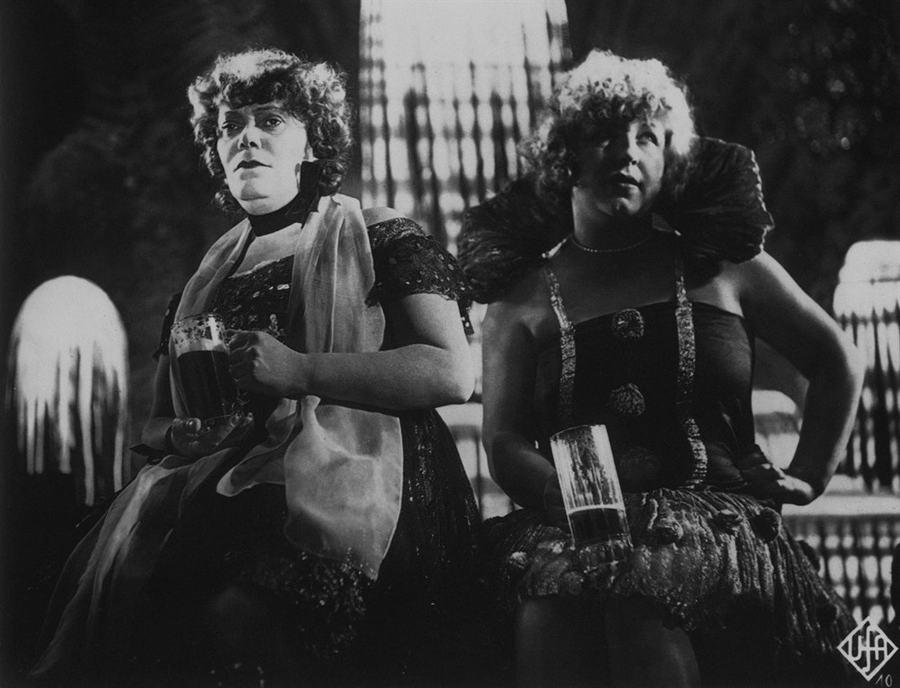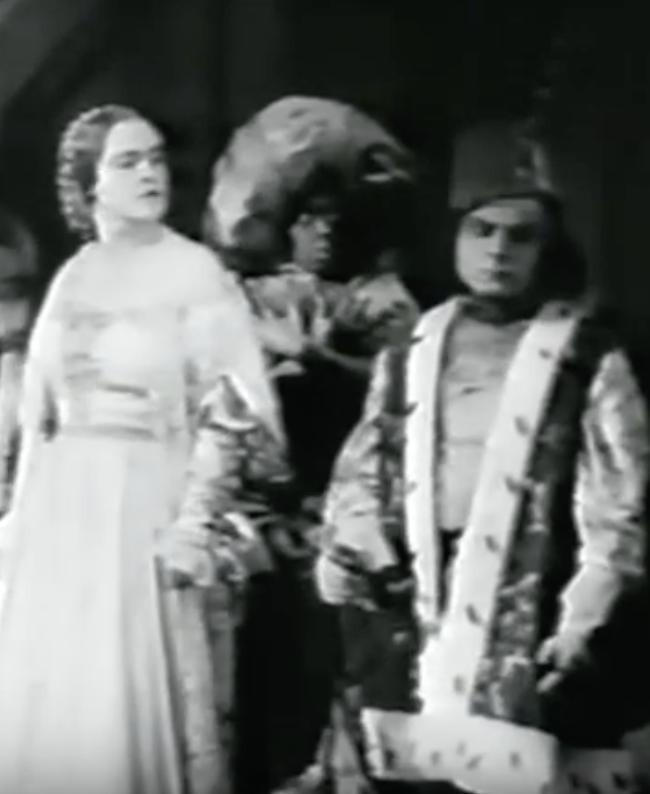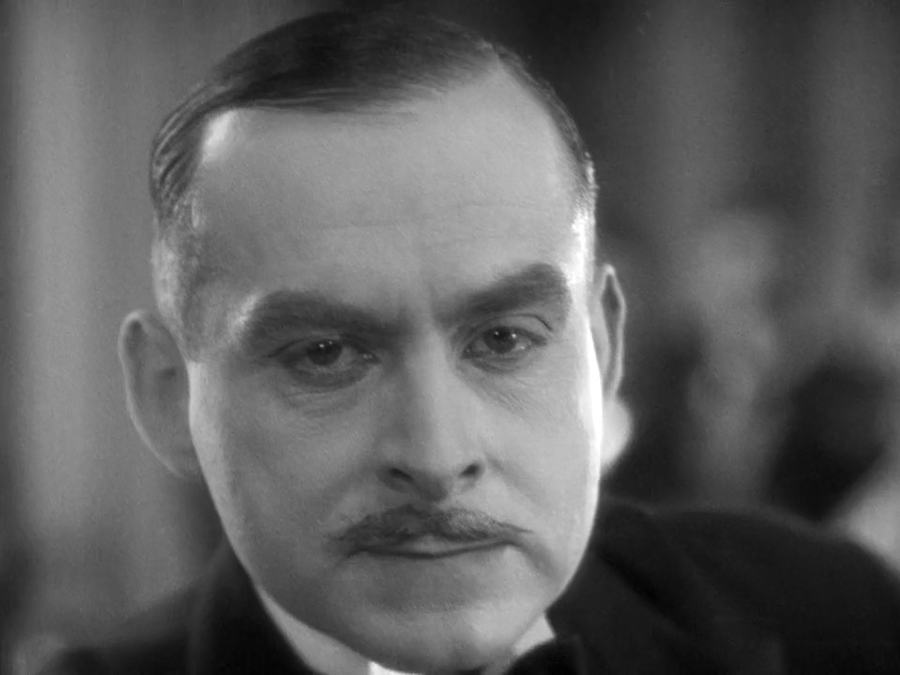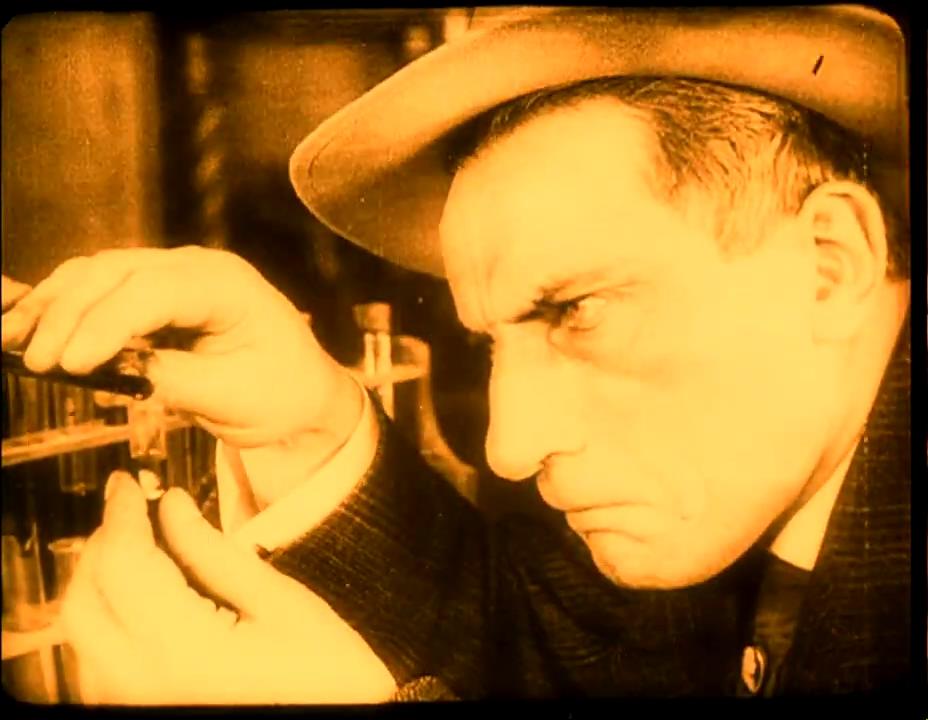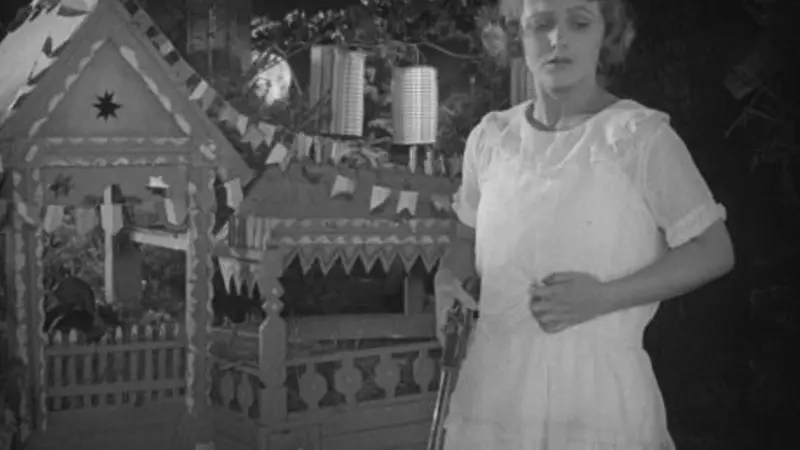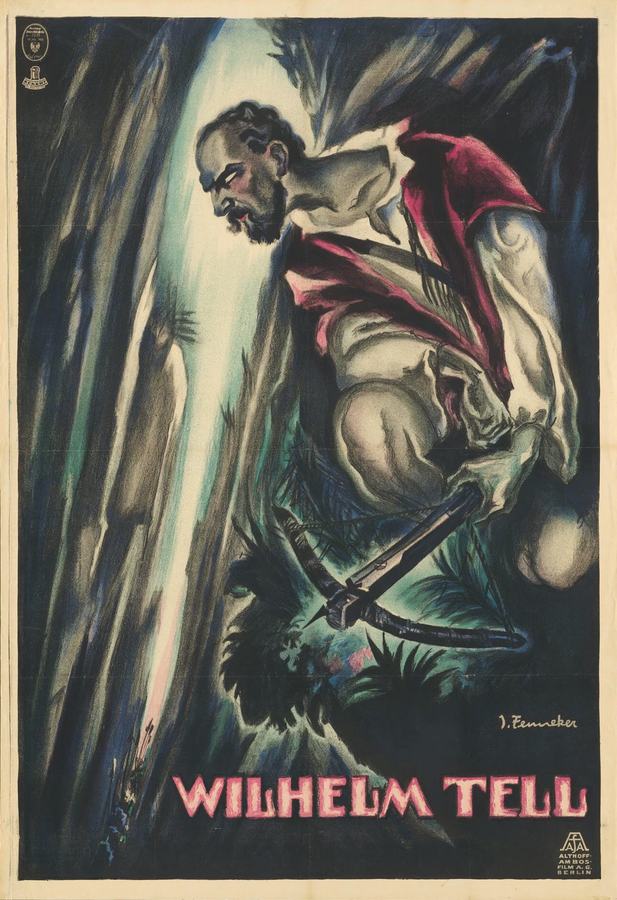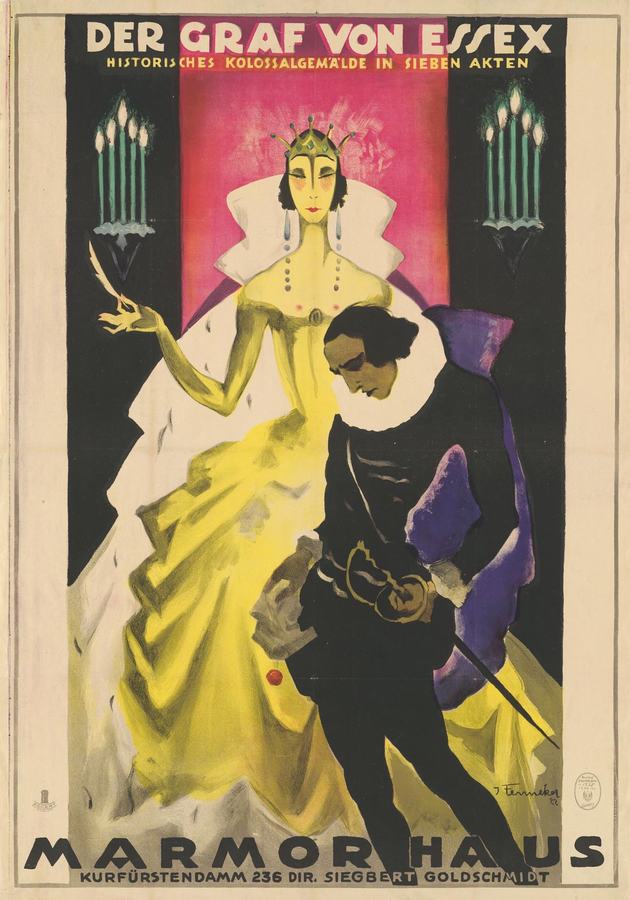
The headsman sharpens his axe on the whetstone of your gaze; sparks fly upward like condemned stars. Felner’s 1922 adaptation of the Essex rebellion is no dusty pageant. It is a fever dream soaked in lamplight and lacquered wood, a cathedral of whispered sedition where every footstep lands on the trapdoor of history...
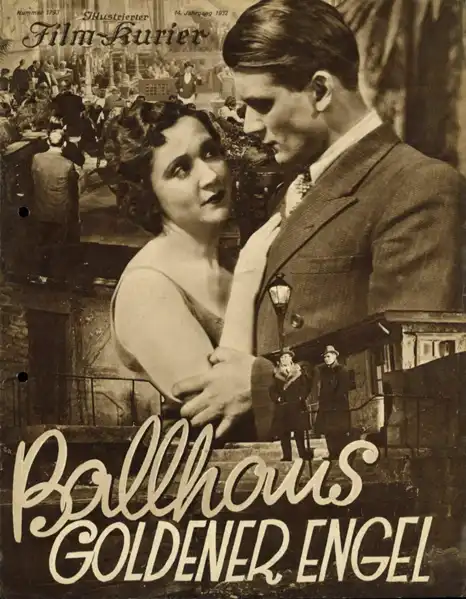
Comparing the cinematic DNA and archive impact of two defining moments in cult history.
Peter Paul Felner
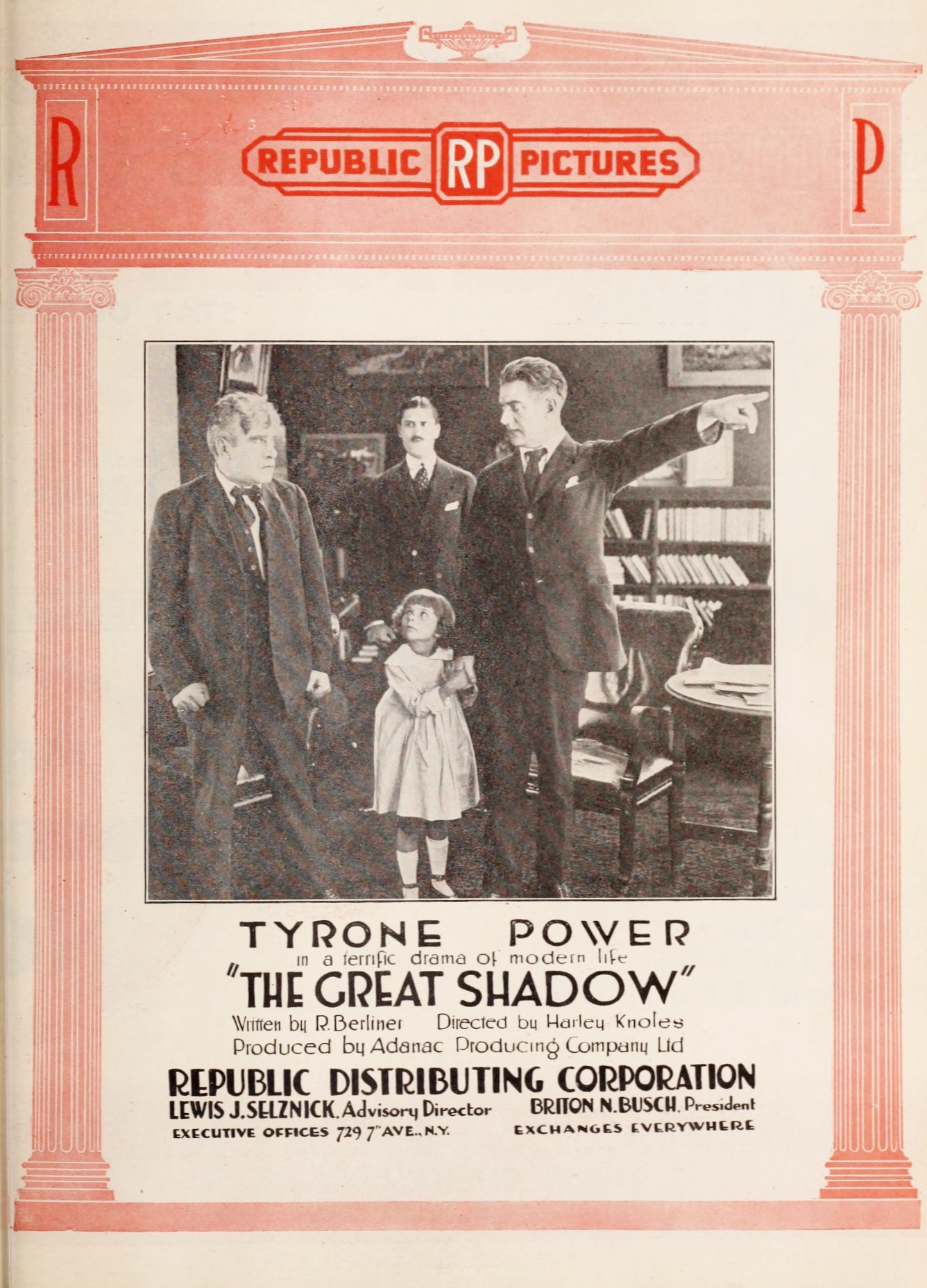
Harley Knoles
Community
Log in to comment.
" The headsman sharpens his axe on the whetstone of your gaze; sparks fly upward like condemned stars. Felner’s 1922 adaptation of the Essex rebellion is no dusty pageant. It is a fever dream soaked in lamplight and lacquered wood, a cathedral of whispered sedition where every footstep lands on the trapdoor of history. Magnus Stifter strides into frame cloaked in arrogance so dense it could sink armadas. The camera loves him with lethal devotion: low-angle shots inflate his silhouette until he ..."
Rosa Valetti
Louis Rokos, Peter Paul Felner
Germany
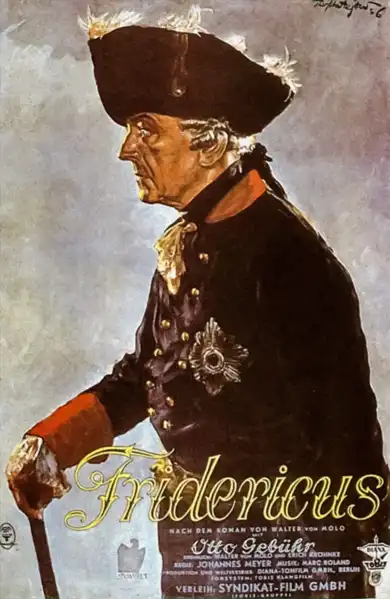
1937 · IMDb 6.6


Deep dive into the cult classic
Discover similar cinematic experiences
A Directorial Spotlight on Peter Paul Felner