DbcultAccessing Vault...
Cult Review
Senior Film Conservator
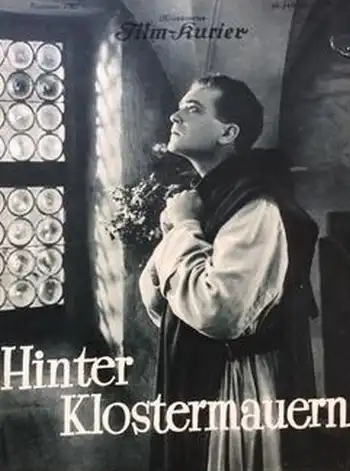
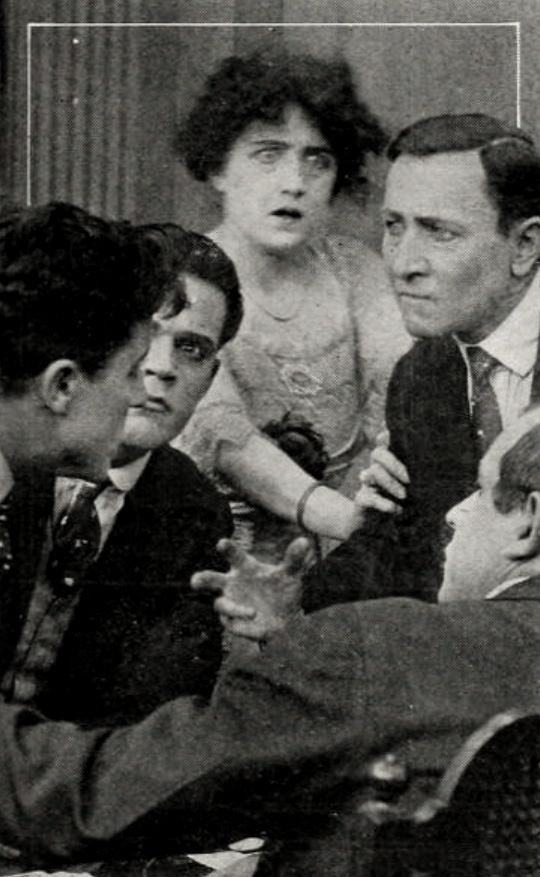
Should you watch Hinter Klostermauern today? Honestly, only if you have a high tolerance for very slow silent dramas and grainy footage.
It’s perfect for people who like to get lost in the atmosphere of 1920s Europe. If you hate reading title cards or get bored when a camera doesn't move for three minutes, you will definitely hate this.
I found myself staring at the background more than the actors sometimes. The stone walls in this movie look so cold you can almost feel the chill coming off the screen.
Anita Dorris plays the lead, and she has these incredibly wide eyes. They catch the light in a way that makes her look like she's permanently about to cry.
There is a scene where she’s just sitting by a window, and the dust motes are floating in the light. It lasts forever, but it’s kind of peaceful in a weird way.
The plot is about a girl going into a monastery, which sounds simple, but it gets messy with family stuff. It reminded me a bit of the heavy vibes in Wild Oranges, even though that’s a totally different setting.
Philipp Manning shows up too, and he has this very stiff, formal way of moving. It’s like he’s wearing a suit made of cardboard.
I noticed at one point there’s a candle on a table that is flickering way too fast. It kept distracting me from the serious conversation happening on the title cards.
The movie feels like it was filmed in a basement sometimes. Everything is so dark and shadowy, which I guess fits the whole "cloistered" vibe perfectly.
There’s a lot of focus on hands. Clasping hands, shaking hands, hands holding rosaries. Close-ups of hands were clearly a big deal for the director, Georg Jacoby.
Wait, I think the actor Josef Eichheim has a tiny bit of food in his mustache during one of the dinner scenes. I had to rewind it twice to be sure. It’s those little things that make these old movies feel real, you know?
Sometimes the acting gets a bit much. Like, when someone is sad, they don't just look sad; they collapse into a pile of robes and shake.
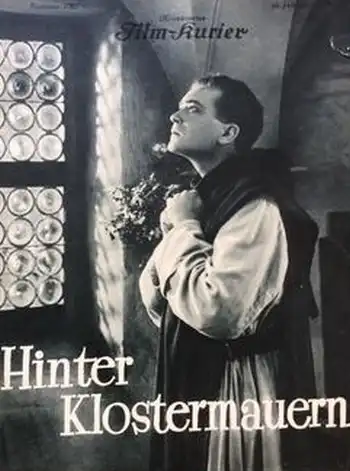
It’s not as intense as something like Four Around the Woman, but it has its own quiet power. It’s a very heavy film, emotionally speaking.
The ending felt a bit rushed to me. Like they realized they were running out of film and had to wrap up all the family drama in about five minutes.
I wish we saw more of the actual monastery life. It’s mostly just people talking in hallways or small rooms.
The title cards are translated in a way that feels a bit formal and stiff. "My heart is a heavy stone," or something like that. Nobody talks like that anymore, obviously.
I kept thinking about how long it must have taken to light these scenes. Without modern gear, getting that much detail in the shadows is actually pretty impressive.
One of the monks has a facial tic that starts happening whenever he's nervous. It’s a small detail, but it made him feel more like a human and less like a background extra.
If you’ve seen The Light of Happiness, you might recognize the way they handle the religious themes here. It’s very 1920s—lots of guilt and long stares at crucifixes.
I don't think I'd watch it again, but I’m glad I saw it once. It’s like looking at a very old, very sad photograph that someone left in a drawer for eighty years.
The music in the version I watched was this repetitive piano track. It started to grate on my nerves after the first hour. 🎹
Actually, the middle section drags quite a bit. There’s a lot of walking back and forth in gardens that all look the same.
But the costume design is great. The habits look heavy and itchy, which probably helped the actors look miserable.
It’s funny how these silent movies can feel more personal than big modern ones. You have to fill in the voices yourself, so the characters end up sounding however you want them to.
Anyway, it’s a decent watch if you’re in a quiet mood. Just don't expect it to change your life or anything. It’s just a solid, slightly dusty piece of film history. 🎥

IMDb 5.8
1936
Community
Log in to comment.