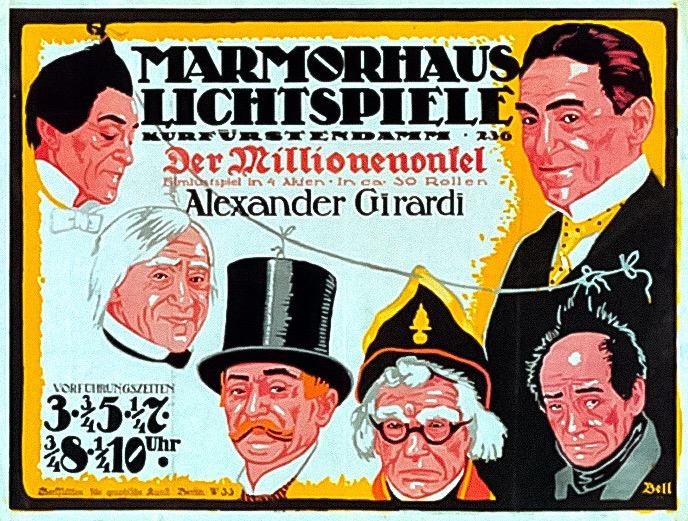
The first Austrian feature film..
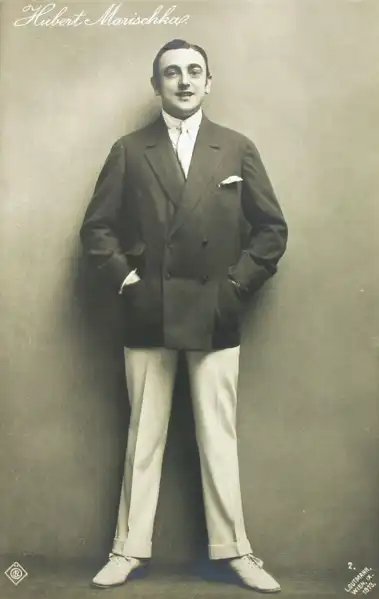
Alexander Girardi, Ernst Marischka, Hubert Marischka
Austria
There are movies you watch and movies that watch you. Der Millionenonkel belongs to the second tribe: a hundred-and-change nitrate minutes that peer straight through your bank balance and your guilty conscience, chuckling in Viennese dialect. Imagine every screwball comedy, every Capra-corn fable of plutocrats learni...
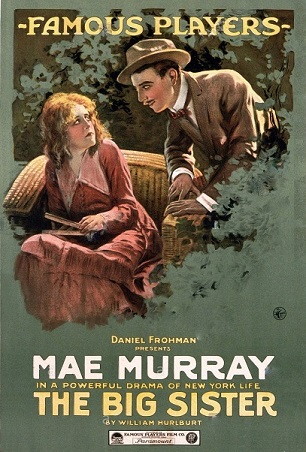
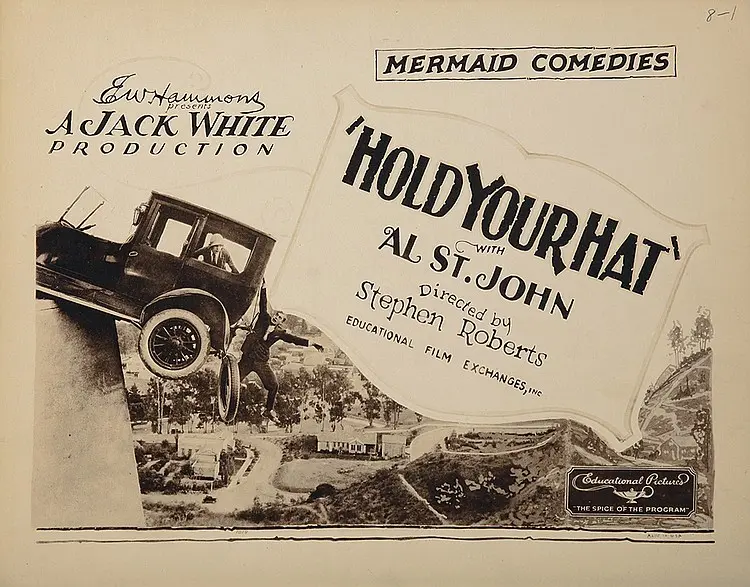
Comparing the cinematic DNA and archive impact of two defining moments in cult history.
Hubert Marischka
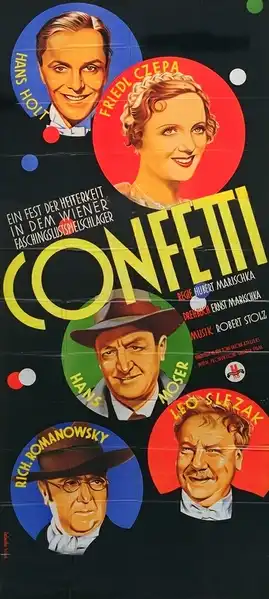
Hubert Marischka
Community
Log in to comment.
" There are movies you watch and movies that watch you. Der Millionenonkel belongs to the second tribe: a hundred-and-change nitrate minutes that peer straight through your bank balance and your guilty conscience, chuckling in Viennese dialect. Imagine every screwball comedy, every Capra-corn fable of plutocrats learning humility, every Instagram "cash-giveaway" stunt—then fold them into a single hand-coloured print struck in 1913, when Austria was still an empire and cinema itself was a raw, re..."