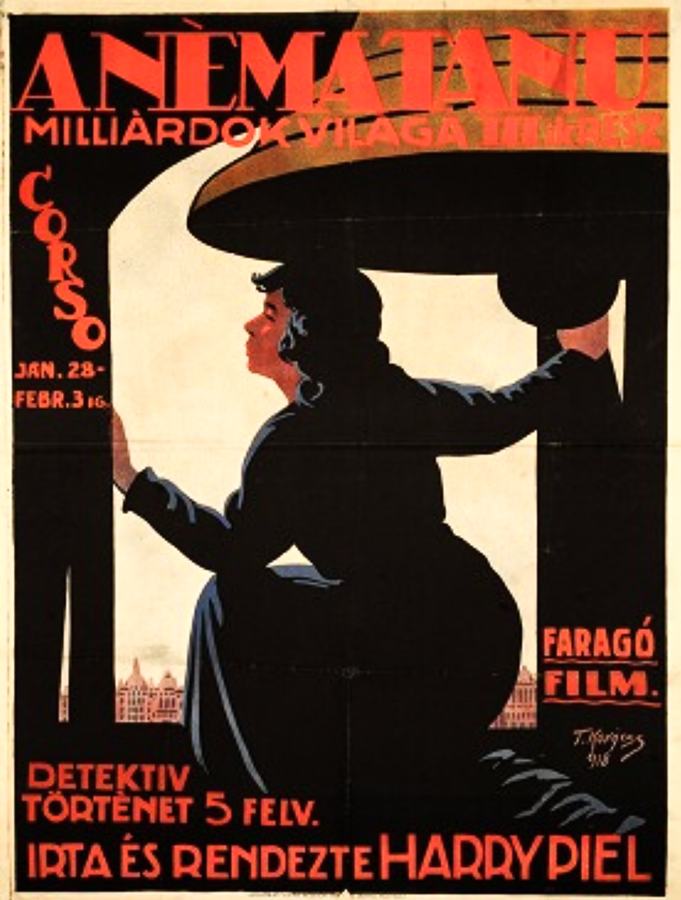
A corpse that refuses to speak becomes the loudest voice in post-war German cinema. There is a moment, roughly seventeen minutes into Der stumme Zeuge, when the camera lingers on Esther Carena’s gloved hand as it hovers above the dead clerk’s eyelids. The gesture is gentle, almost maternal, yet the tension is feral:...
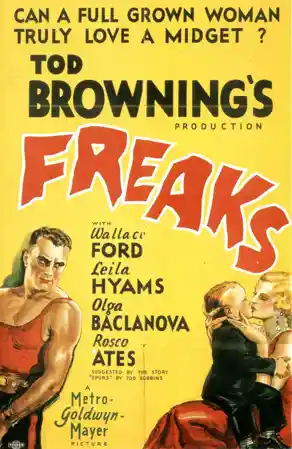
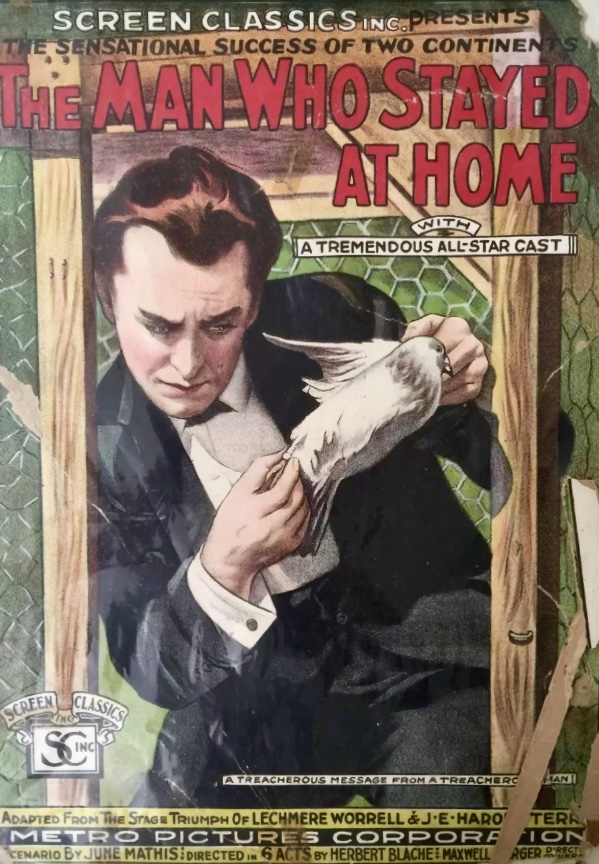
Comparing the cinematic DNA and archive impact of two defining moments in cult history.
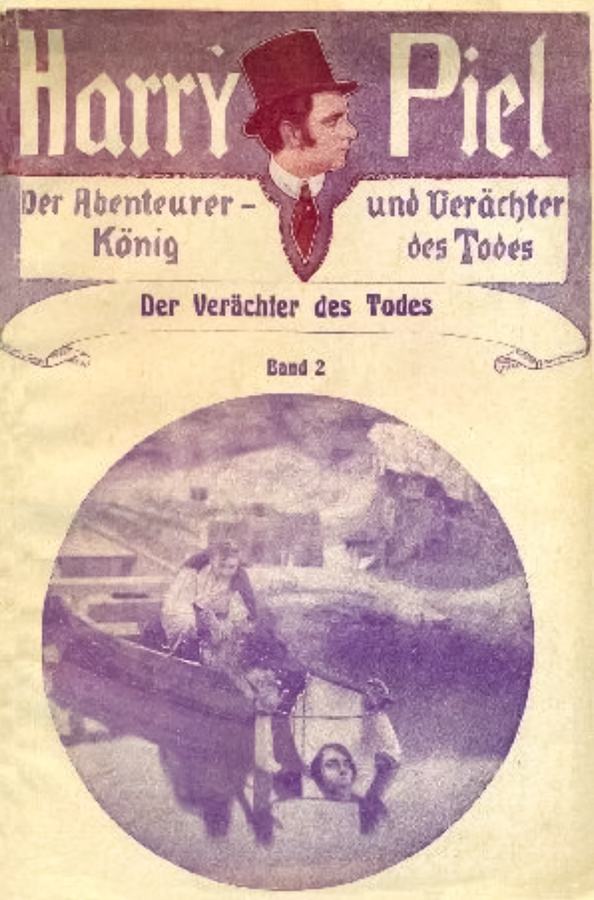
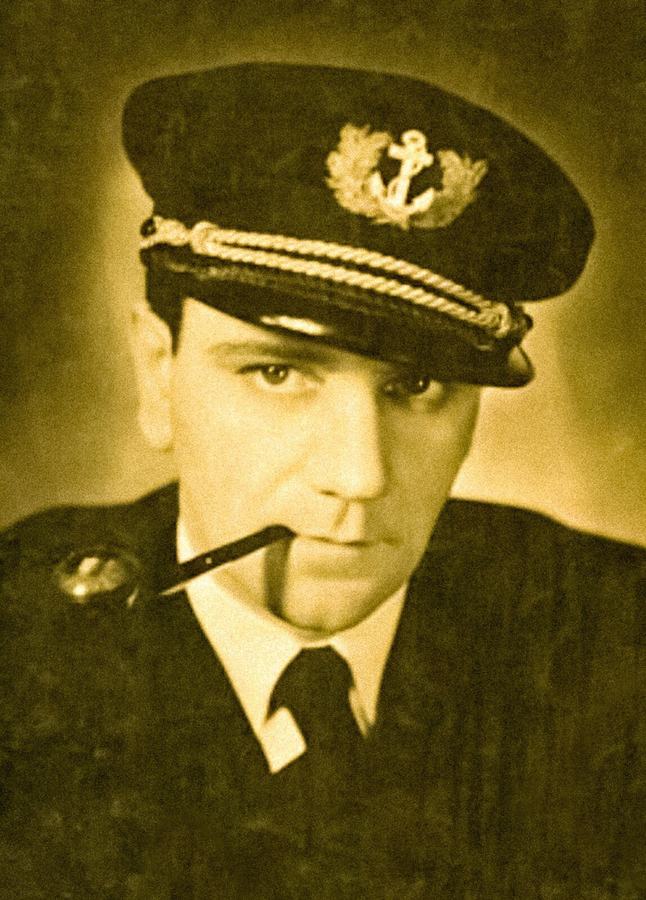
Harry Piel
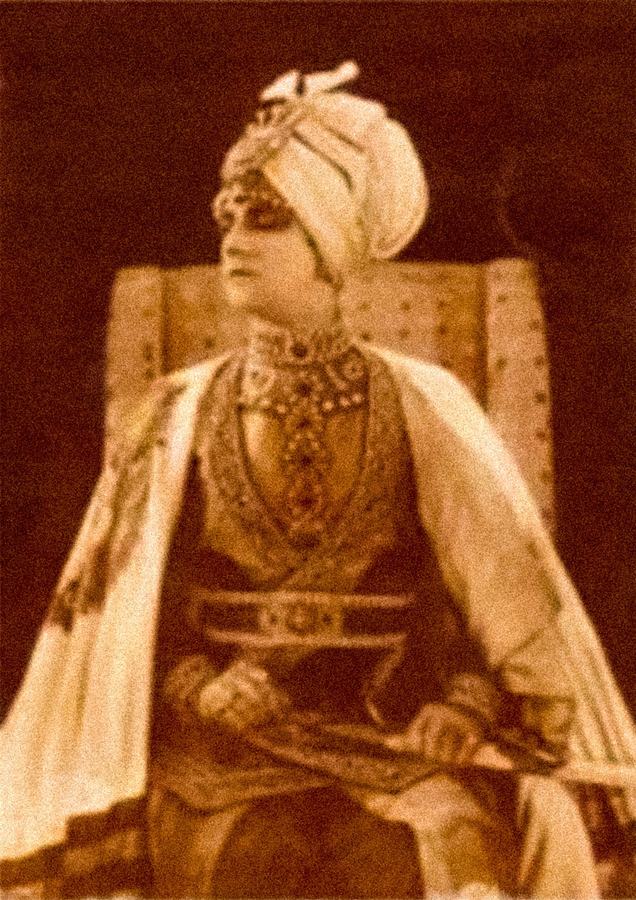
Harry Piel
Community
Log in to comment.
" A corpse that refuses to speak becomes the loudest voice in post-war German cinema. There is a moment, roughly seventeen minutes into Der stumme Zeuge, when the camera lingers on Esther Carena’s gloved hand as it hovers above the dead clerk’s eyelids. The gesture is gentle, almost maternal, yet the tension is feral: will she close the eyes, rob the corpse of its final testimony, or let those clouded irises keep staring into the moral abyss of 1923 Berlin? In that suspended heartbeat, director..."
Deep dive into the cult classic
Discover similar cinematic experiences
A Directorial Spotlight on Harry Piel