DbcultAccessing Vault...
Cult Review
Senior Film Conservator
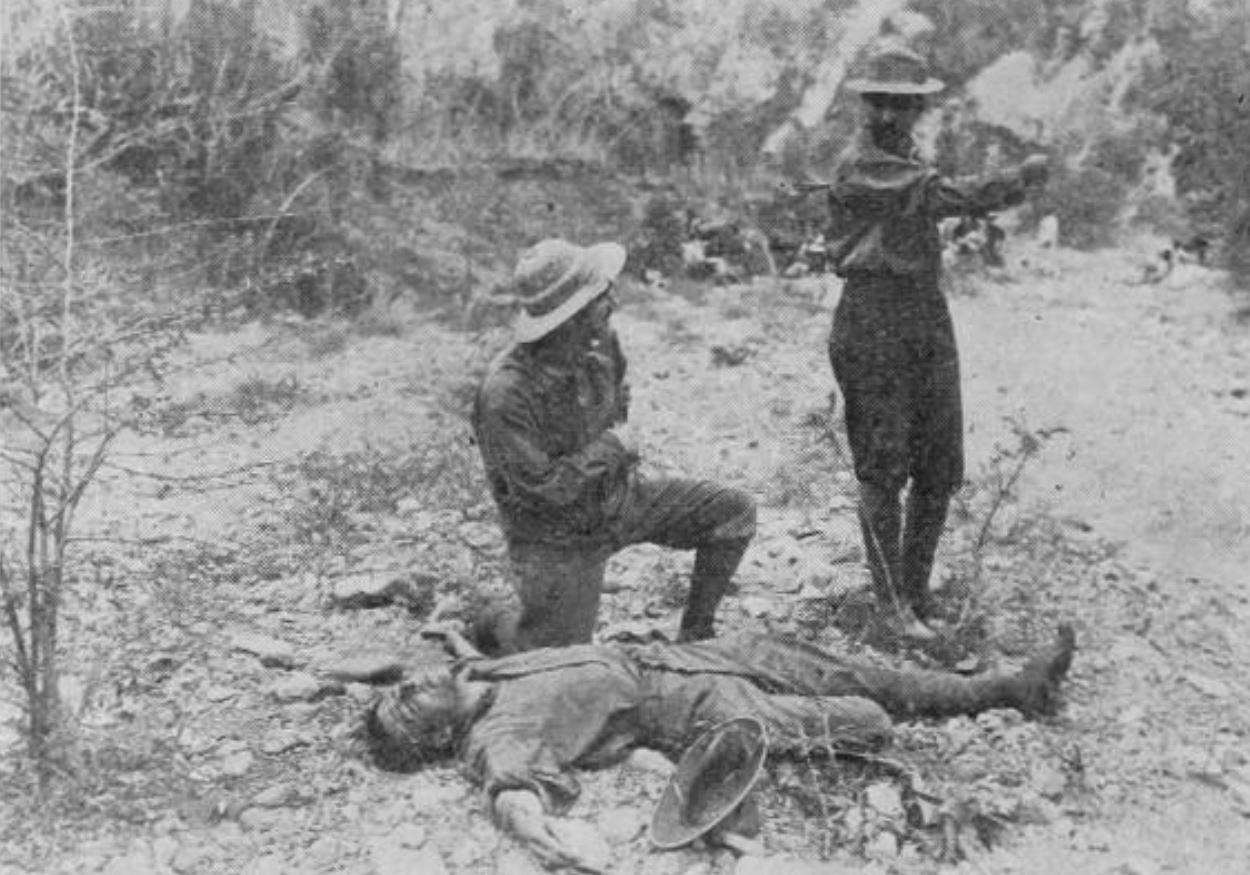
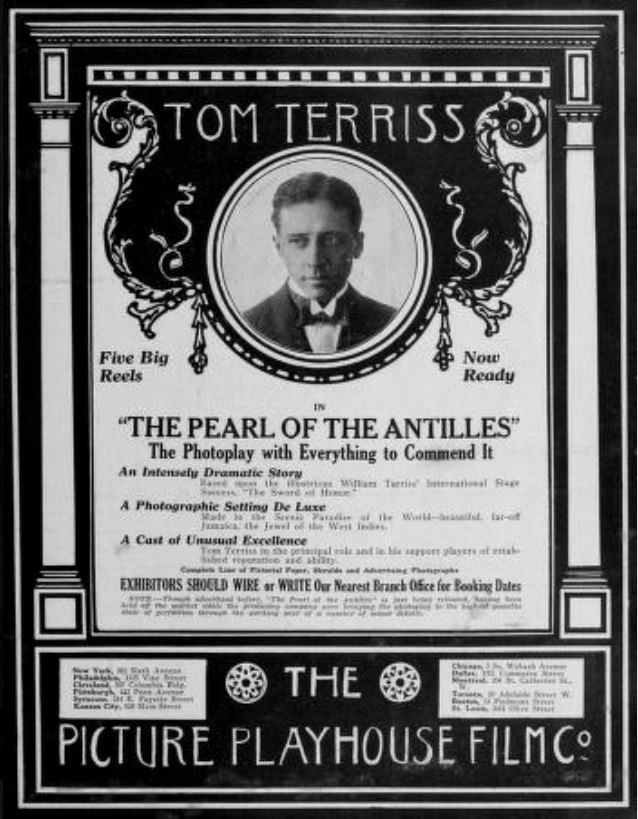
There is a moment—two-thirds through Tom Terriss’s unjustly neglected The Pearl of the Antilles—when the beam of a coastal lighthouse slices across the 35-mm nitrate like a scalpel of repressed memory. In that stroboscopic flash we glimpse Hannibal’s pupils dilating with the horror of half-remembered Andean atrocities. It is 1921, yet the shot feels almost expressionistic, a visual shriek heralding the collapse of Empire-era complacency. Few silents marshal such concise psychology through pure chiaroscuro; fewer still knot erotic jealousy, colonial guilt and swashbuckling spectacle into a single breath-catching convolution.
Let us dispense with nostalgia: this is no quaint maritime postcard. From the first iris-in on Caprice Mendoza adjusting her Parisian ostrich-plume hat, the film announces itself as a study in displacement—geographic, filial, mnemonic. Raoul’s attempt to quarantine innocence inside a stone tower merely incubates darker appetites; the lighthouse, ostensibly a beacon of guidance, becomes Pirandellian prison where repressed narratives circle like gulls. Lionel Pape’s Marquise de Bregant—effete, powdered, always one satin glove removed from violence—embodies the rot beneath Third-World plunder: his smile drips with the molten gold he never prospected himself.
Art director Rienzi De Cordova saturates the Antillean scenes with ochre and cobalt, then drains chroma the instant action shifts to Parisian salons—an inversion of the customary trope that equates tropics with lurid excess. The result is a subconscious intimation that moral contagion travels northward. Meanwhile, cinematographer Tom Terriss (doubling as lead actor) employs handheld raft shots—audacious for 1921—to thrust the viewer into the same driftwood uncertainty that plagues Hannibal. Foam lashes the lens; you taste brine.
Tom Terriss’s Raoul walks a tightrope between paternal tenderness and macho code; the slightest tremor in his left eyelid sells the pending paralysis more convincingly than pages of title cards. As Caprice, Tessie De Cordova oscillates from petulant ingénue to traumatized woman-child without the usual silent-era semaphore—no fluttering wrists, no dime-store swoons. The camera adores the angular severity of her clavicles when she realizes Bregant’s yacht is a floating harem; vulnerability hardens into flinty resolve in real time.
Yet the film’s magnetic core is Paul Harvey’s Hannibal. With a face that seems carved from driftwood, Harvey communicates via micro-gesture: a jaw muscle flicker when Bregant’s name is uttered, a palm unconsciously rubbing the scar hidden under a rough-knit sleeve. Because he cannot remember, we remember for him; the audience becomes his supplementary cortex, piecing together atrocity from fragmentary cues. When memory finally detonates during the assault on the beggar, the performance transmutes into something feral, almost documentary in its anguish.
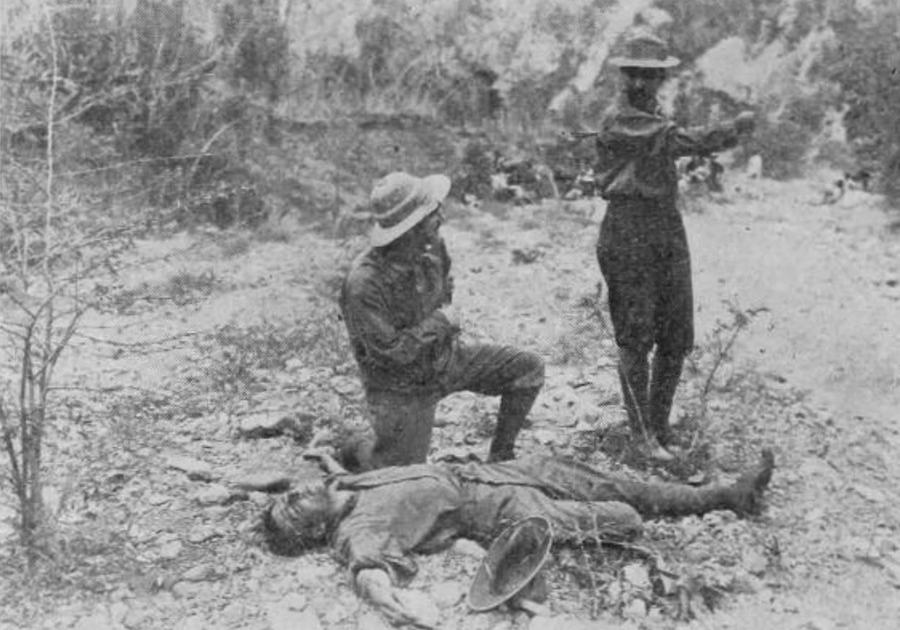
Adapted from an unproduced stage melodrama, the screenplay jettisons the proscenium’s clutter yet keeps its baroque coincidences. Instead of clunky expository monologues, information surfaces through environmental synecdoche: a blood-specked mining claim, a mislaid monogrammed handkerchief, a lighthouse logbook whose ink has run from salt-spray. The device anticipates the procedural realism of later noir, while the flashback to Peruvian sierras—rendered in tinted amber—owes as much to Poe’s “William Wilson” as to imperial adventure fiction.
One could fault the third-act elopement for relying on that hoary standby, the forged marriage certificate. Yet Terriss stages the reveal aboard the yacht with such spatial disorientation—canted deck, billowing canvas swallowing the horizon—that Caprice’s entrapment feels ontological rather than merely narrative. The camera tilts 25°, predating Carol Reed’s famous canted angles in The Third Man by twenty-eight years.
Caprice’s body becomes disputed terrain, but the film refuses to victimize her. She negotiates exits—first from patriarchal custody, then from predatory seduction—through strategic deployments of seeming compliance. Note how she pockets Bregant’s signet ring mid-embrace, later using its crest to convince the ship’s captain of her legitimacy. The gesture is minute, easily missed amid the broader adventure, yet it inscribes proto-feminist agency inside what could have been a stock damsel scenario.
Unlike contemporaneous imperial spectacles that glorify extraction, The Pearl of the Antilles implicates the viewer in the looting apparatus. When Bregant recounts Chambord’s “fever death,” the lie is delivered straight to camera, implicating us as credulous Parisian salon-goers. The moral ledger is further complicated by the black beggar whom Bregant assaults. Though peripheral, he catalyzes Hannibal’s memory, suggesting that colonial violence reverberates most tellingly among subaltern bodies. The film neither sentimentalizes nor dehumanizes; the man’s suffering is visceral, his revenge oblique—he simply refuses to stay silent, and that vocal persistence topples aristocratic facades.
In thematic DNA, The Pearl of the Antilles dovetails with Deti veka’s excavation of generational guilt, though the Russian film opts for icy abstraction whereas Terriss chooses salt-sprayed immediacy. The moral katabasis of Hannibal anticipates the amnesiac protagonist of Imar the Servitor, yet the latter film spiritualizes memory loss as metaphysical purgatory; here it is historical scar tissue.
Where Wildflower domesticates trauma inside rural Americana, Antilles projects it onto oceanic vastness, suggesting that the unconscious is as deep and uncharted as any Atlantic trench. Meanwhile, the duel finale—shadow-dappled forest, steel glinting like secular communion—rhymes with the fatal confrontation in The Reckoning, though Terriss withholds cathartic triumph: Mendoza’s posture after slaying Bregant is not exultant but cadaveric, as though victory and disease converge in the same mortal shudder.
Recent 4-K restoration by Eye Filmmuseum salvaged nearly eight minutes previously believed lost, including the beggar-assault vignette crucial to Hannibal’s epiphany. Tinting adheres to 1921 Pathé framer’s guides: amber for flashback, viridian for nocturnal dread, rose for the lantern-room courtship. The new score—composed by Maud Nelissen and performed by the Brussels Philharmonic—replaces boilerplate salon waltzes with Afro-Caribbean percussion that seeps into the diegesis, hinting at the colonized labor that underwrites European luxury.
Modern viewers, alert to post-colonial critique, may squirm at the African caricature of the beggar, yet the film indicts Bregant’s brutality with unflinching clarity. In an era when Confederate statues still litter American squares, the image of a titled aristocrat thrashing a black body while proclaiming civilizational mission lands with nauseating immediacy. Terriss may not have wielded academic jargon, but his visual grammar deconstructs imperial myth with sledgehammer candor.
Is the picture flawless? The Parisian cabaret digression—populated by can-can extras more 1890 than 1860—feels time-warped, and one wishes Ethel Mitchell’s Juliette, the spurned lover trailing Bregant, had narrative utility beyond expositional grease. Yet these are hairline cracks in an edifice otherwise awe-inspiring. The Pearl of the Antilles fuses swashbuckling locomotion with proto-psychological depth, prefiguring both Hitchcock’s guilt-transference thrillers and Herzog’s colonial fever dreams.
It is also—let us be frank—rip-roaring entertainment. The yacht chase, achieved with full-size schooner and not miniature, rivals anything in Griffith’s Battles of the Sea. The climactic duel, shot in medium-long takes that preserve spatial coherence, will have you gripping arm-rests despite century-old choreography.
Seek this resurrection print. Watch it on the largest screen available. Let the lighthouse beam sweep across your retina, and ask yourself whose memory you are prepared to recover—and at what cost.

IMDb 7
1937
Community
Log in to comment.