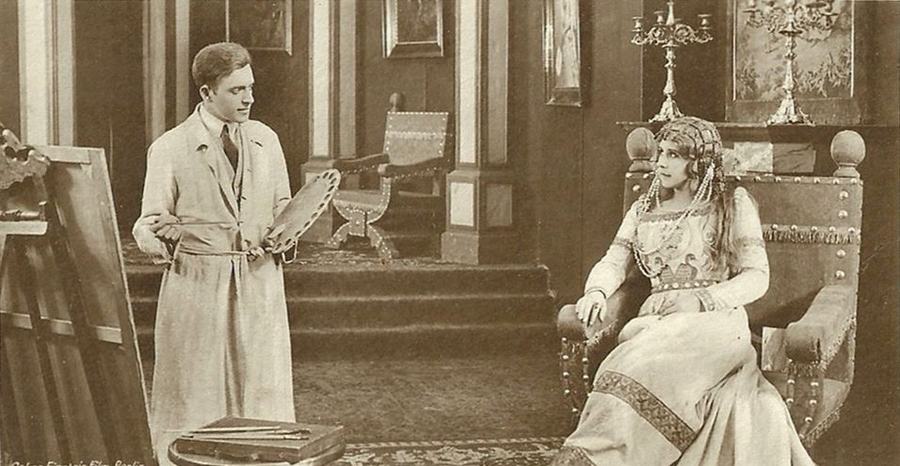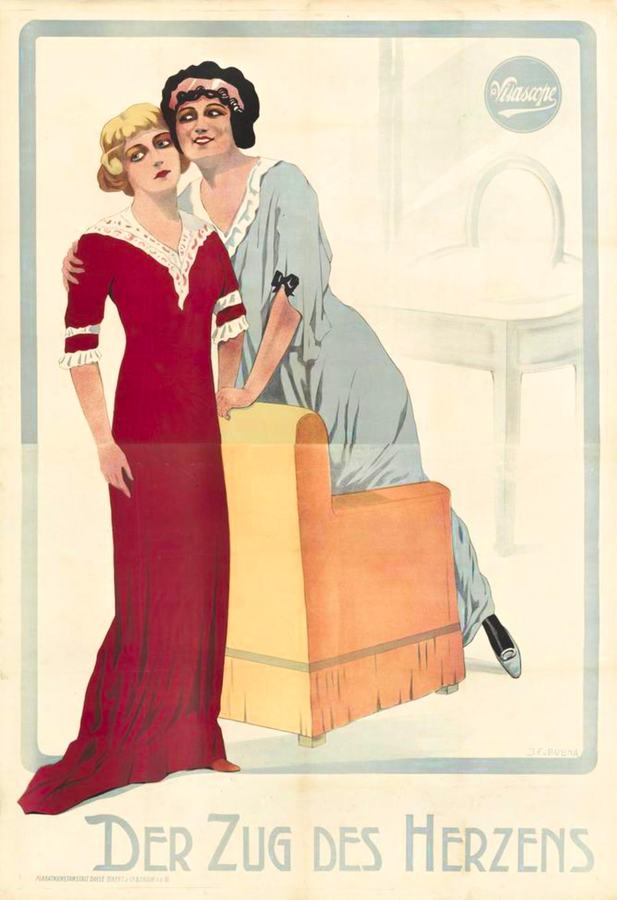
To gaze upon the flickering frames of Der Zug des Herzens is to witness the birth of a specific visual language that would eventually define the Weimar era's cinematic dominance. Directed by the enigmatic Franz Hofer in 1912, this film serves as a quintessential artifact of the 'Autorenfilm' movement, where the directo...
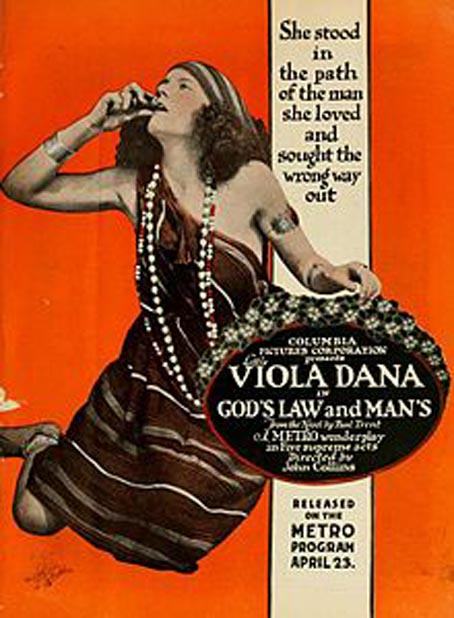
Comparing the cinematic DNA and archive impact of two defining moments in cult history.
Walter Schmidthässler
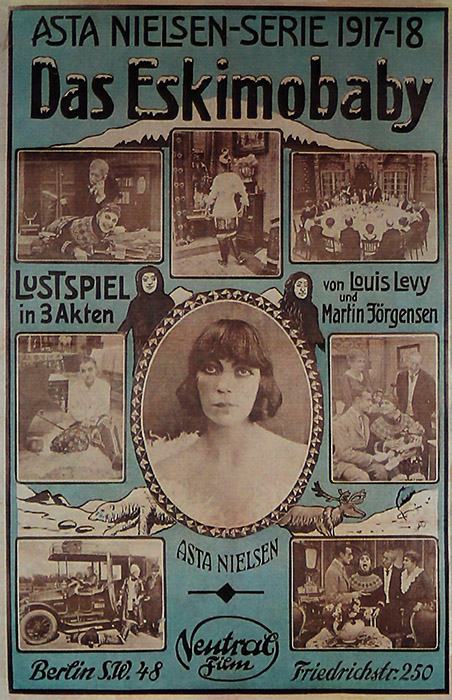
Walter Schmidthässler
Community
Log in to comment.
"To gaze upon the flickering frames of Der Zug des Herzens is to witness the birth of a specific visual language that would eventually define the Weimar era's cinematic dominance. Directed by the enigmatic Franz Hofer in 1912, this film serves as a quintessential artifact of the 'Autorenfilm' movement, where the director's vision began to supersede the mere recording of theatrical plays. While many of his contemporaries were preoccupied with grand historical reconstructions like 1812 or the bibli..."
Deep dive into the cult classic
Discover similar cinematic experiences
A Directorial Spotlight on Walter Schmidthässler