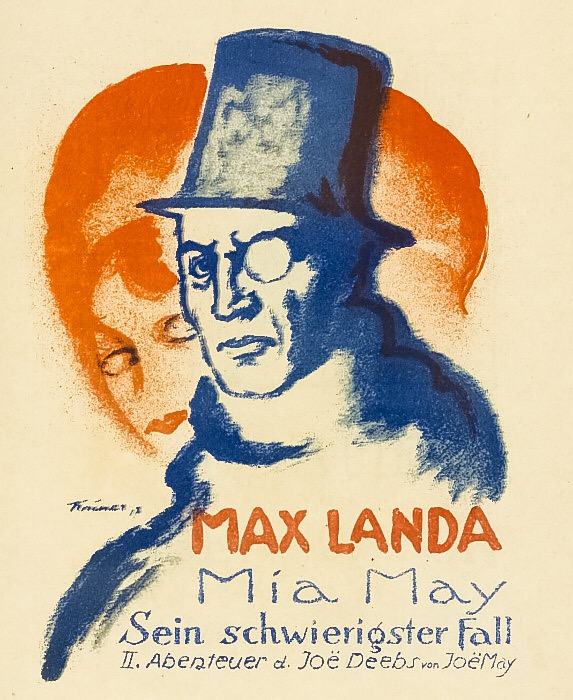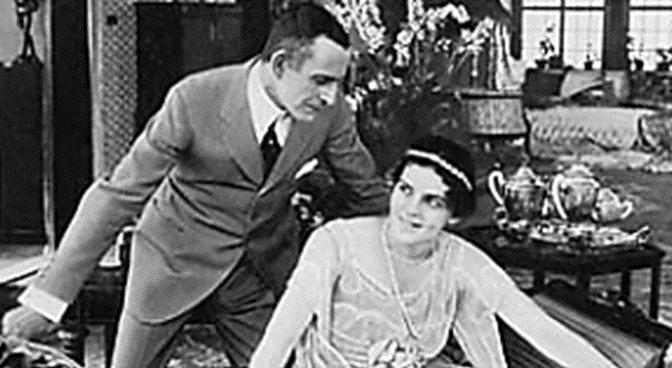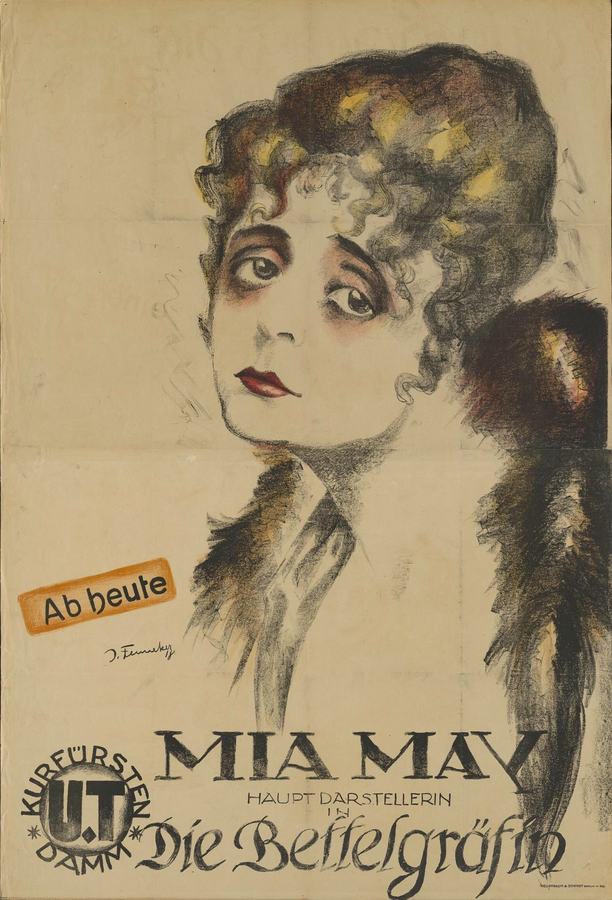
In the shadowed corridors of a Vienna in transition, Die Bettelgräfin emerges not merely as a melodrama but as a clinical dissection of social hierarchies. Joe May’s direction, with its surgical precision, transforms Mia May’s Countess Elisa into a living metaphor for a dying class system. The film’s opening sequence...
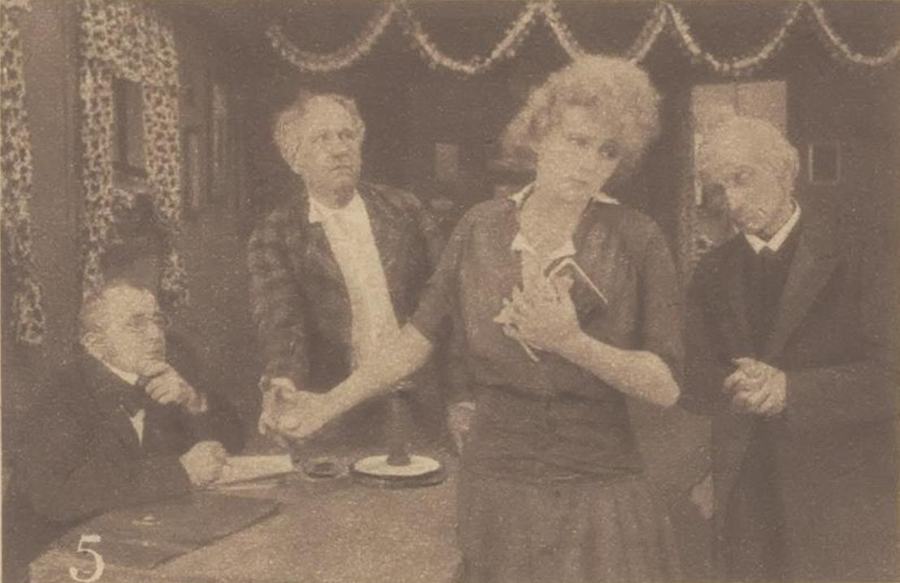
publicity
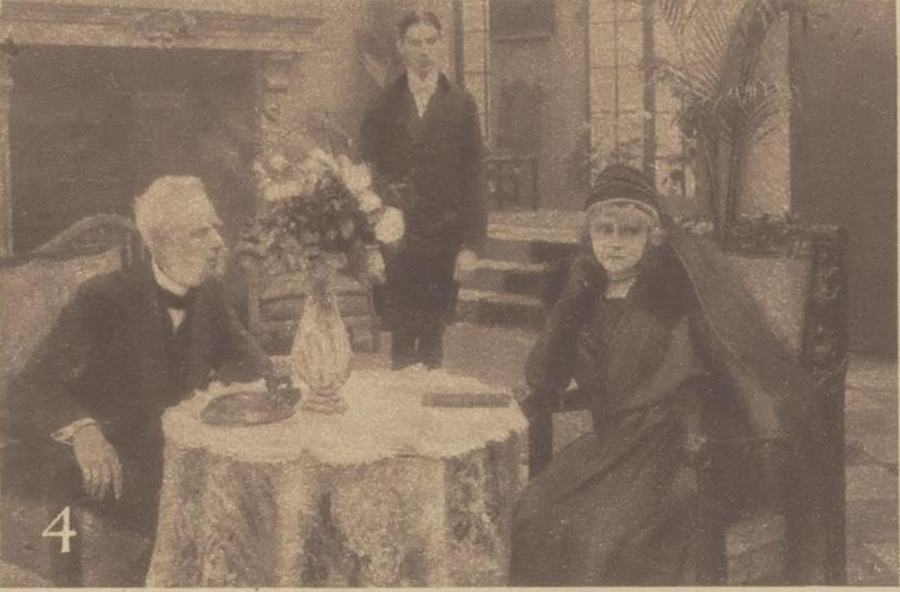
publicity
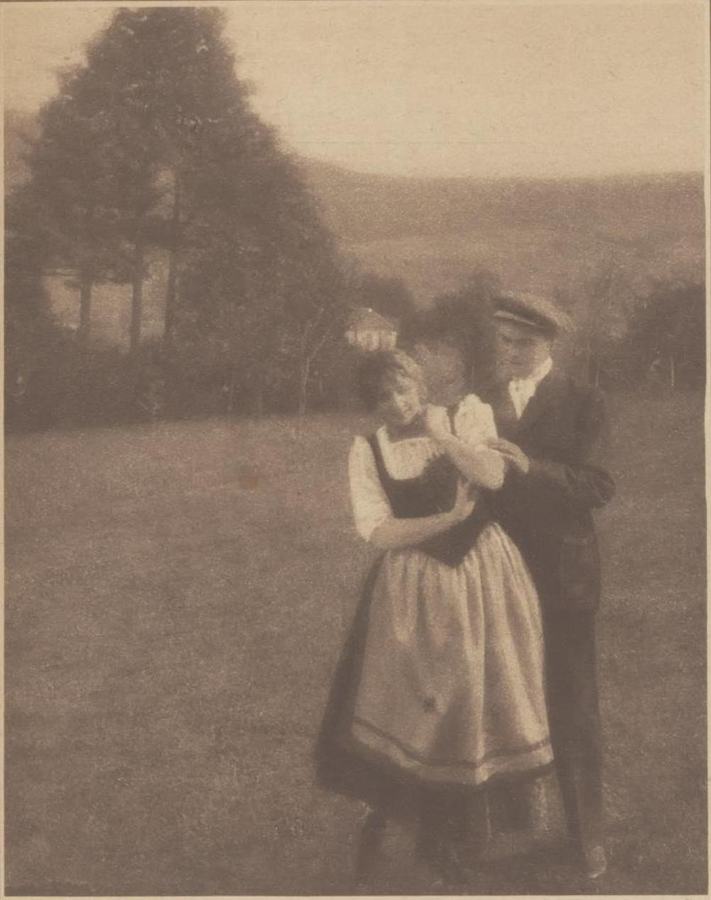
publicity
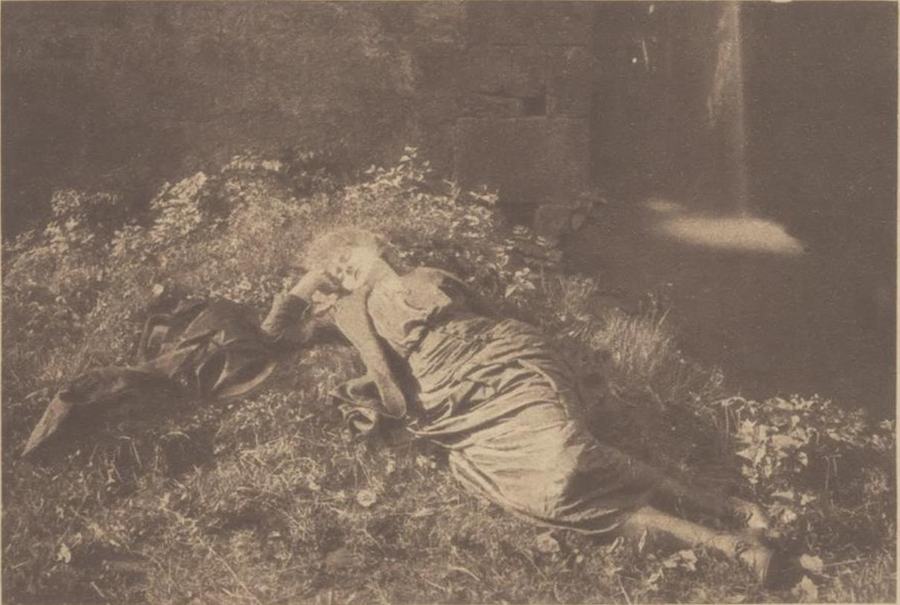
publicity
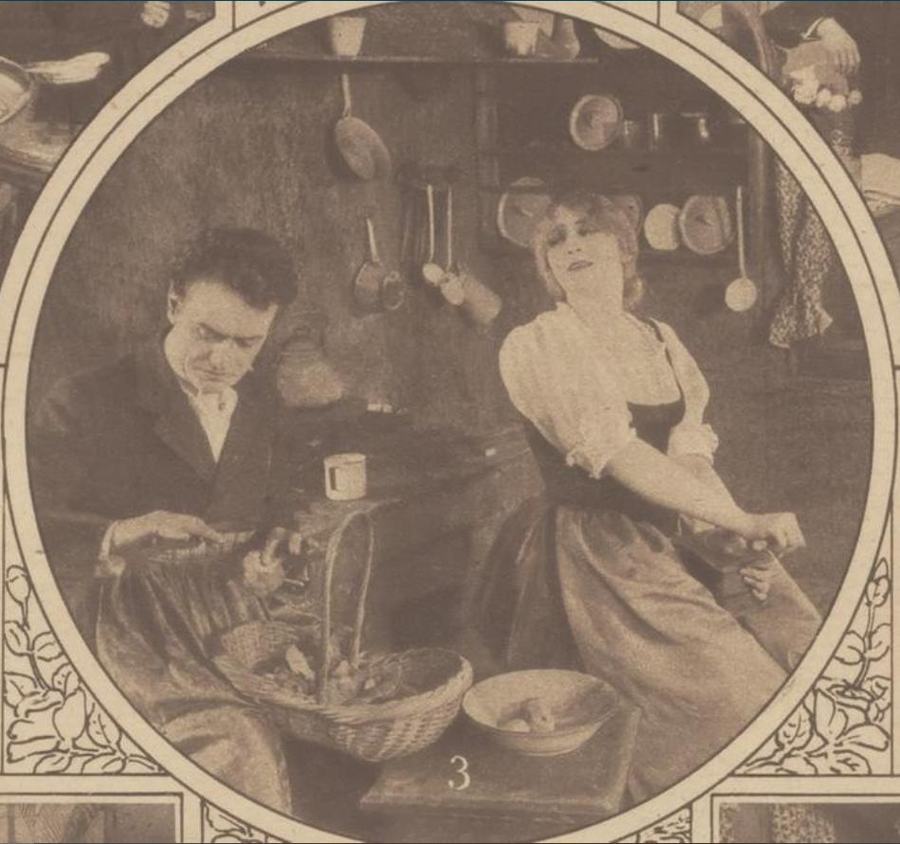
publicity
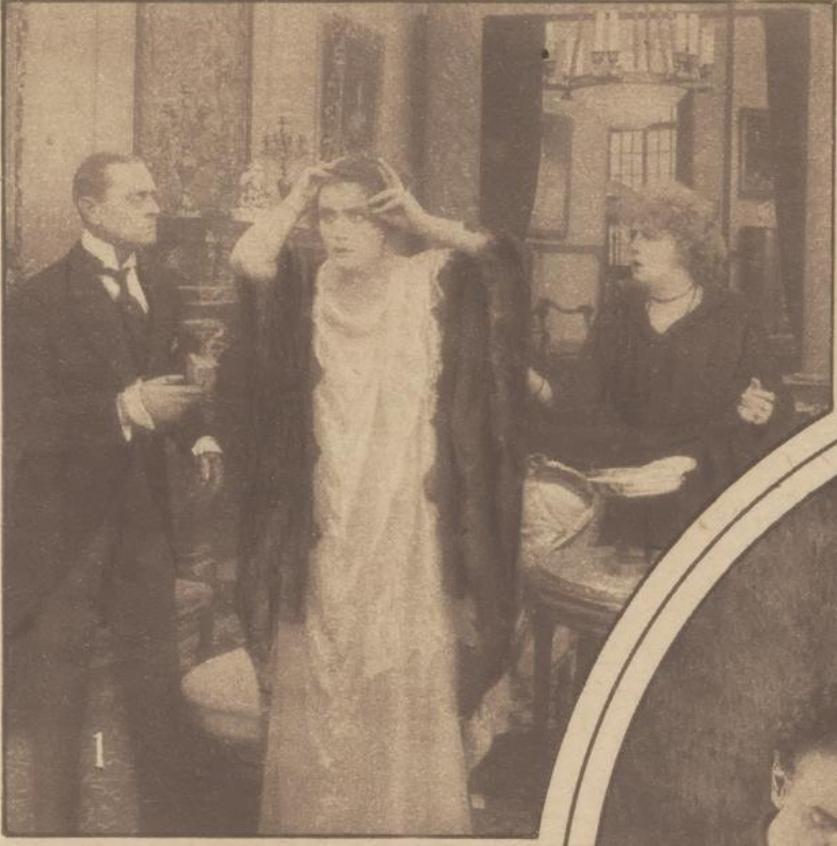
publicity
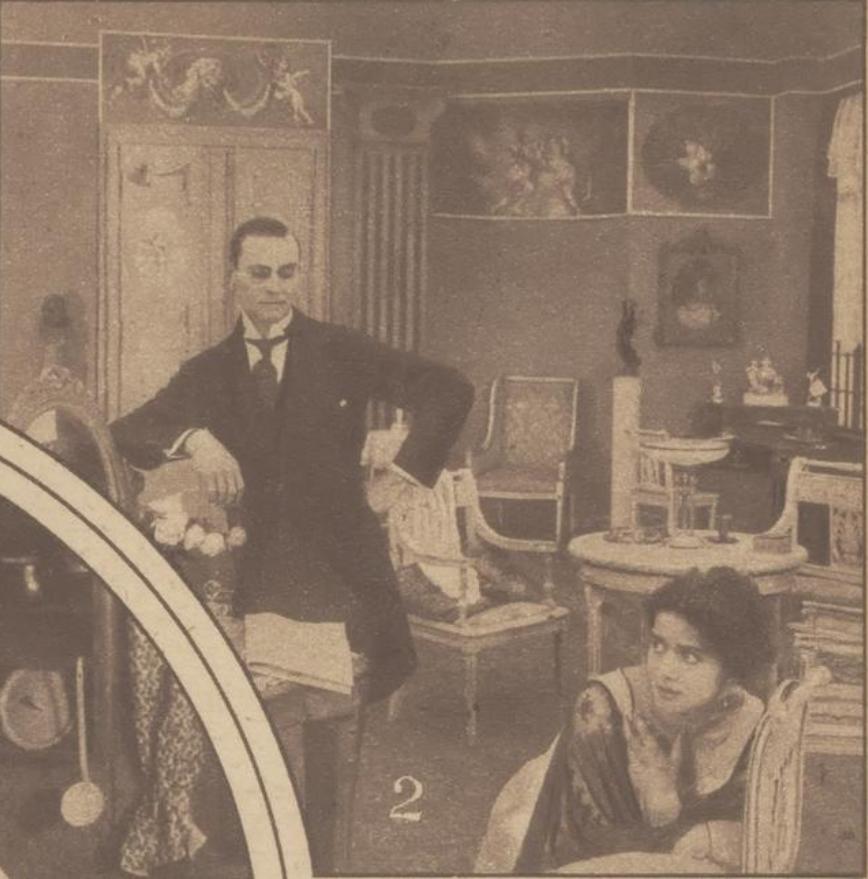
publicity

Comparing the cinematic DNA and archive impact of two defining moments in cult history.
Joe May
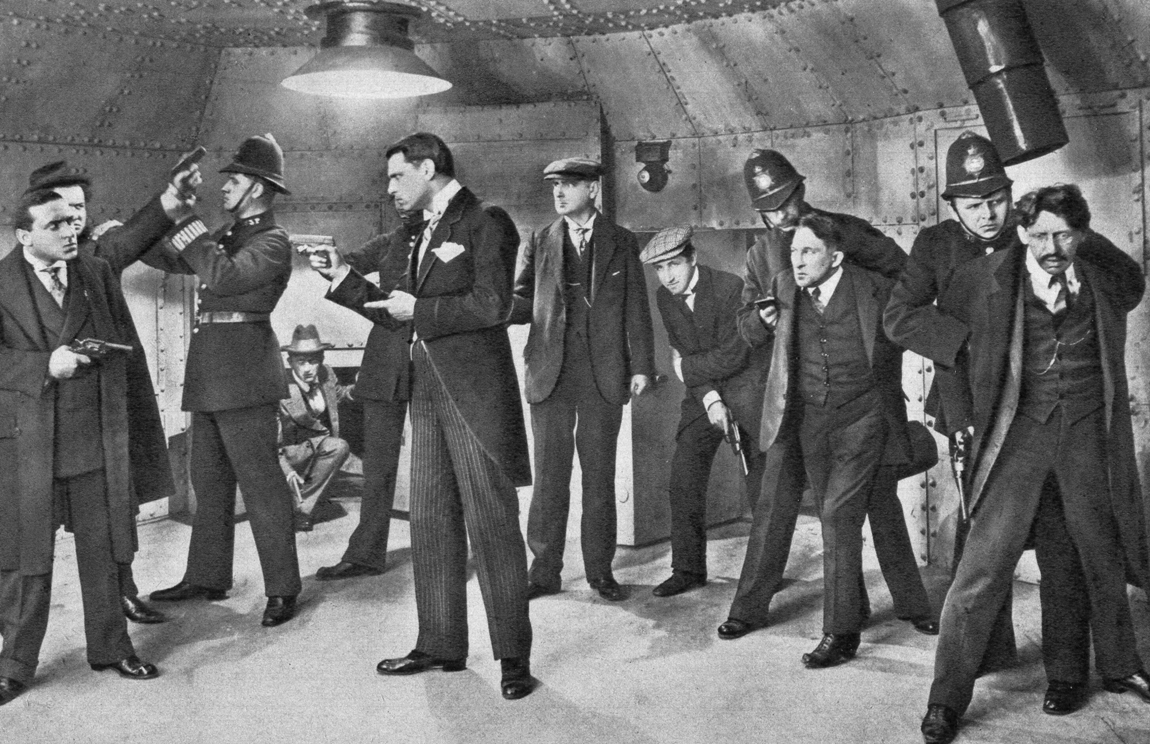
Joe May
Community
Log in to comment.
" In the shadowed corridors of a Vienna in transition, Die Bettelgräfin emerges not merely as a melodrama but as a clinical dissection of social hierarchies. Joe May’s direction, with its surgical precision, transforms Mia May’s Countess Elisa into a living metaphor for a dying class system. The film’s opening sequence—a slow pan across a gilded ballroom where chandeliers cast hollow light on hollow faces—establishes its tonal thesis: opulence as a veneer for rot. What distinguishes this 1922 m..."
Deep dive into the cult classic
Discover similar cinematic experiences
A Directorial Spotlight on Joe May