DbcultAccessing Vault...
6.9/10
Senior Film Conservator
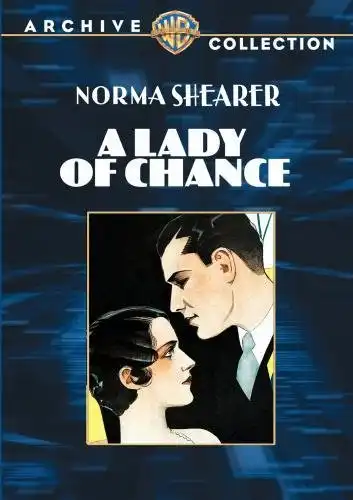
A definitive 6.9/10 rating for a film that redefined the boundaries of cult cinema. A Lady of Chance remains a cornerstone of transgressive art.
For those with an appreciation for late silent cinema, the pre-Code era's nascent moral complexities, and particularly the nuanced performances of its leading ladies, A Lady of Chance (1928) is absolutely worth seeking out. It offers a fascinating glimpse into the shifting sensibilities of Hollywood on the cusp of the sound era, showcasing a strong female lead navigating a morally grey world. Silent film enthusiasts and fans of Norma Shearer will find much to admire here. However, viewers accustomed to modern pacing, explicit dialogue, or clear-cut narratives might find its visual storytelling and deliberate rhythm a challenge.
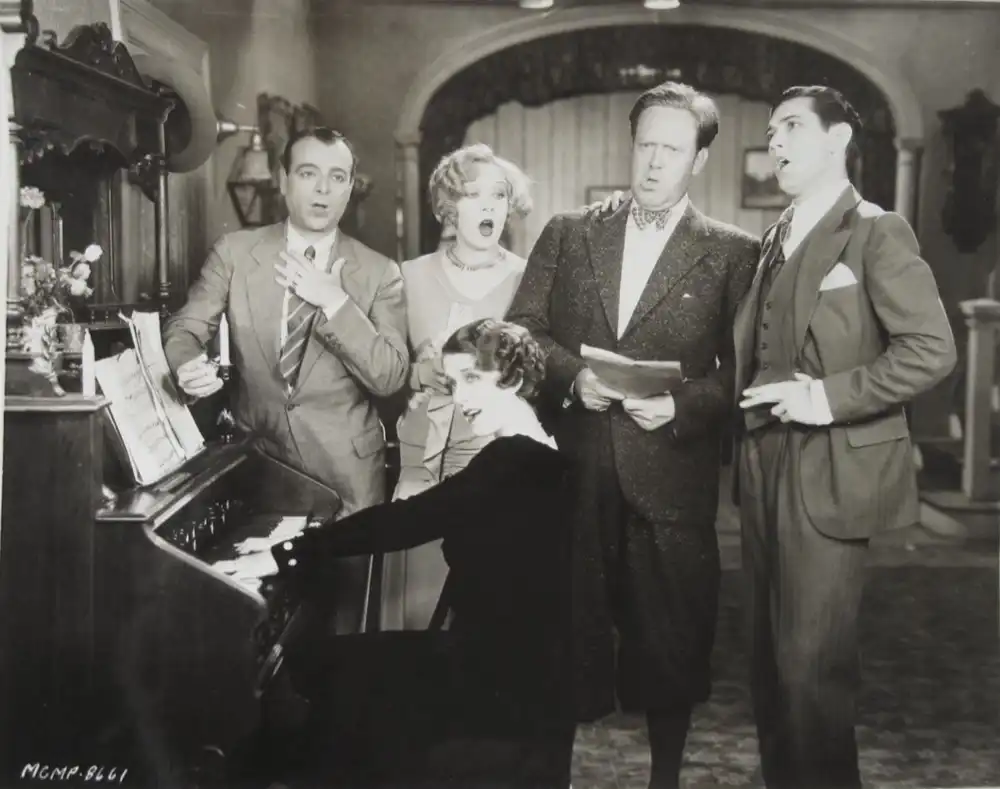
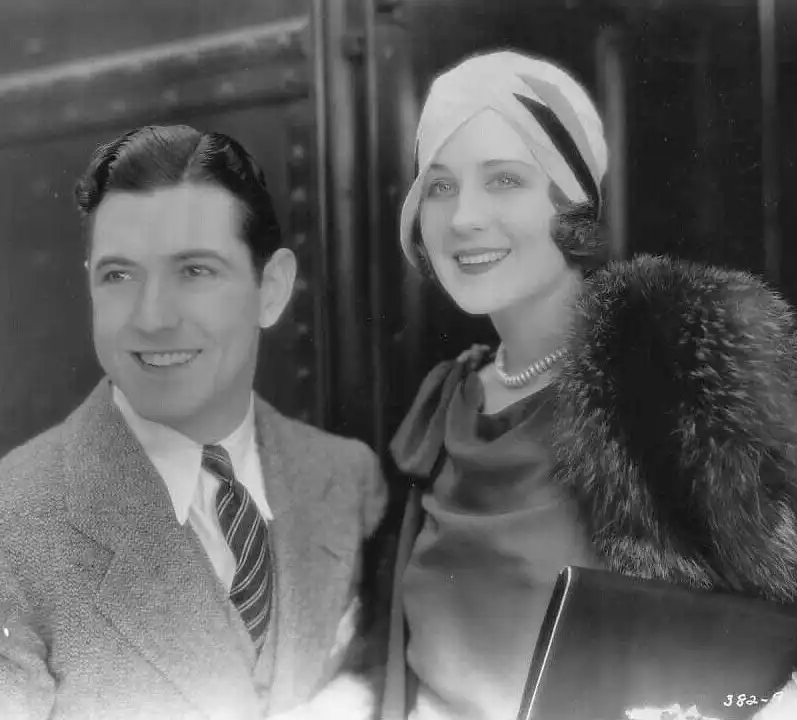
The film's undeniable anchor is Norma Shearer as Dolly Crandall. Shearer, even in this late silent effort, commands the screen with a charisma that transcends the lack of spoken dialogue. Her Dolly isn't just a femme fatale; she's a woman of calculated charm and underlying weariness. We see her transition from a cynical, hardened grifter, eyes sharp and assessing, to a woman genuinely smitten, her expressions softening, her posture subtly less guarded. It’s a delicate balance, and Shearer handles it with impressive conviction.
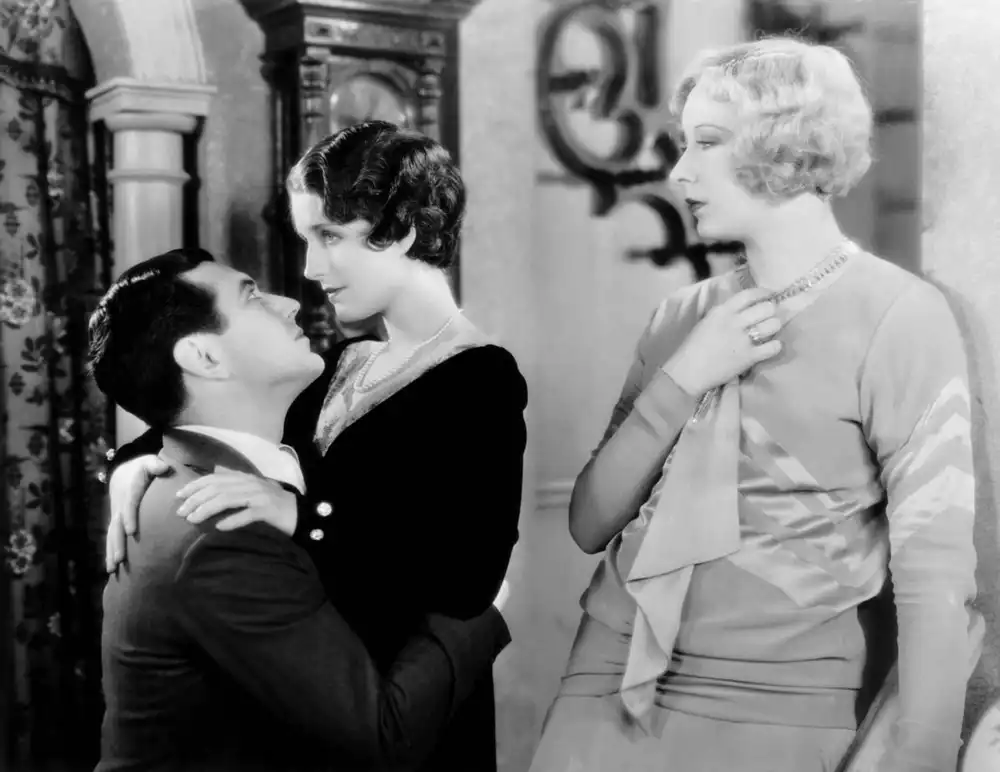
One particularly telling moment occurs early on, as Dolly prepares the 'set' for her next mark. She meticulously adjusts a lampshade, then smooths a rumpled cushion on a sofa, not with the practiced ease of a seasoned criminal, but with a slight, almost imperceptible sigh. It’s a fleeting beat, easily missed, but it hints at a weariness beneath the confident facade, a flicker of the emotional toll this life takes even before her change of heart truly begins. This small detail elevates Dolly beyond a mere archetype.
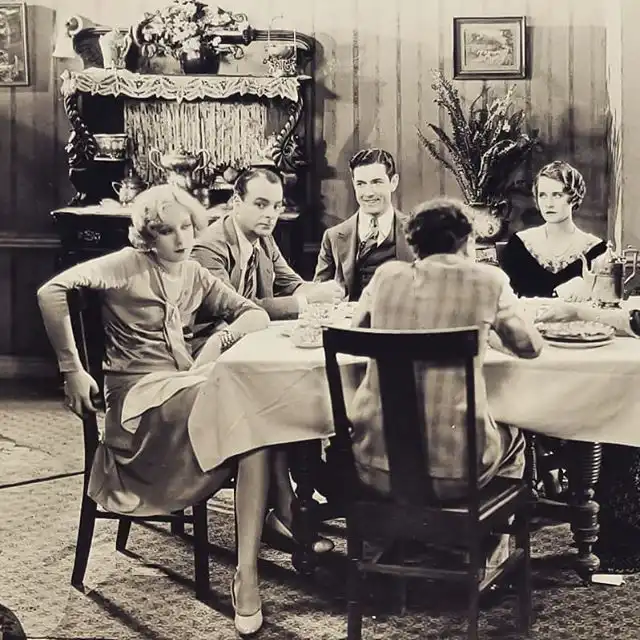
Lowell Sherman, as Steve, plays the unsuspecting romantic lead with an earnestness that makes his eventual disillusionment impactful. He projects a wholesome charm that contrasts sharply with Dolly’s world, making her internal conflict believable. The chemistry between Shearer and Sherman, while not overtly passionate, builds convincingly through shared glances and tender gestures, particularly in the quieter, more intimate scenes. Polly Moran, as Dolly's accomplice Lena, provides much-needed comic relief, her physical comedy and expressive face offering a counterpoint to the central drama without ever feeling out of place.
As a 1928 production, A Lady of Chance exists in that fascinating liminal space between pure silent cinema and the full advent of talkies. It's largely a silent film, relying on intertitles and a synchronized musical score, but some prints reportedly featured early sound effects or partial dialogue. This means its pacing, while deliberate, is very much a product of its era. The film takes its time establishing Dolly's world and her initial cynicism before slowly introducing the romantic entanglement that upends her life.
The first act, setting up the 'badger game' and Dolly's return to it, moves with a brisk, almost noir-ish energy, propelled by the urgent need for money and the thrill of the con. However, once the romance with Steve takes hold, the film shifts gears. The middle section, focusing on their courtship, can feel a touch languid for modern viewers. There are extended sequences dedicated to romantic walks, dinners, and stolen moments that, while visually appealing, test the patience of an audience accustomed to faster narrative propulsion. Yet, this slower pace allows Shearer's performance to breathe, giving her space to convey Dolly's internal struggle through subtle changes in expression and body language.
The tone oscillates effectively between lighthearted romance and the underlying tension of Dolly's deception. The moments of genuine affection between Dolly and Steve are genuinely sweet, making the inevitable reveal of her past all the more poignant. The film manages to explore themes of morality and redemption without succumbing to heavy-handed melodrama, a testament to director Edmund Goulding's steady hand and the nuanced screenplay.
Visually, A Lady of Chance is a strong example of late silent film craftsmanship. The cinematography by Oliver T. Marsh is often striking, using dramatic lighting to emphasize mood and character. The contrast between the smoky, dimly lit interiors of Dolly's underworld and the brighter, more opulent settings where she attempts to live a respectable life is particularly effective. Close-ups on Shearer are frequent and well-utilized, allowing her expressive face to carry much of the emotional weight.
The production design, while not extravagant, effectively creates the various worlds Dolly inhabits. The speakeasy-like atmosphere of her initial operations feels authentic, as do the more refined settings of Steve's circle. Costume design, too, plays a crucial role, with Dolly's evolving wardrobe subtly mirroring her internal journey – from sharp, somewhat flamboyant grifter attire to softer, more elegant dresses as she falls in love. This visual progression is a constant, unspoken narrative element.
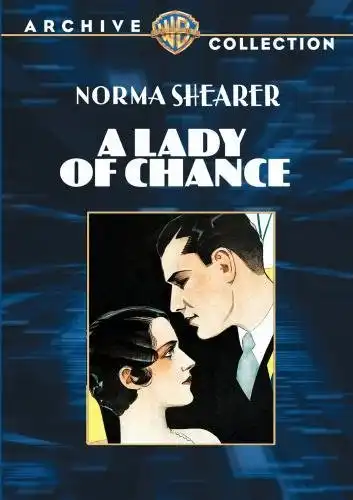
A Lady of Chance is more than just a historical curiosity; it's a compelling character study anchored by a powerful performance from Norma Shearer. It showcases the dramatic sophistication silent film achieved just before its demise, offering a nuanced look at identity, deception, and the possibility of redemption. While its pace demands a certain patience, the rewards are a genuinely engaging story and a chance to witness a star at the height of her silent-era powers. For those willing to engage with its style, it remains a worthwhile and surprisingly modern viewing experience.
IMDb 3.8
1924
Community
Log in to comment.