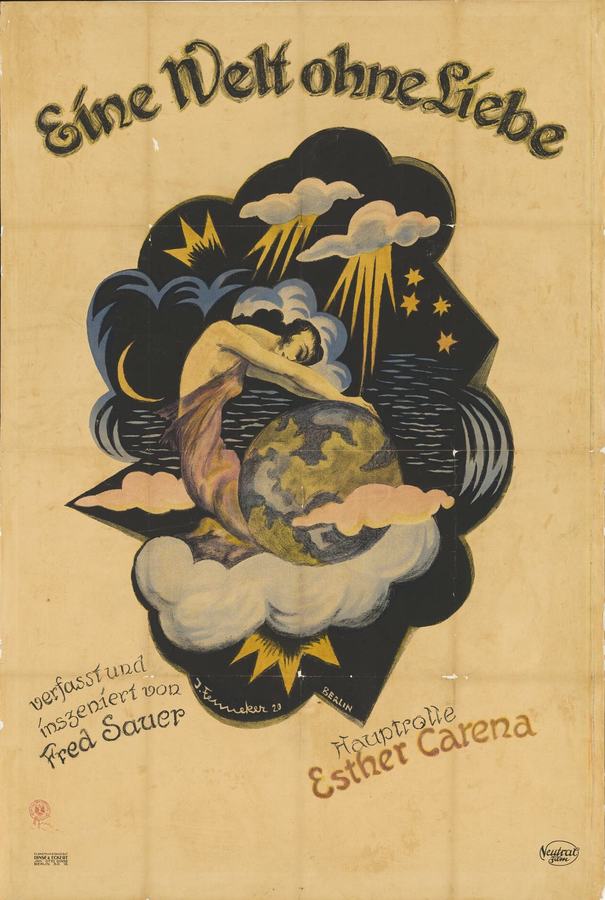
Weimar cinema’s most incendiary secret is not a monster on a cathedral rooftop but a whispered syllable of affection, punishable by death. Die Diktatur der Liebe, 2. Teil – Die Welt ohne Liebe surfaces like a nitrate miracle, shimmering with that acrid vinegar perfume that tells you history itself is combustible. Fred...
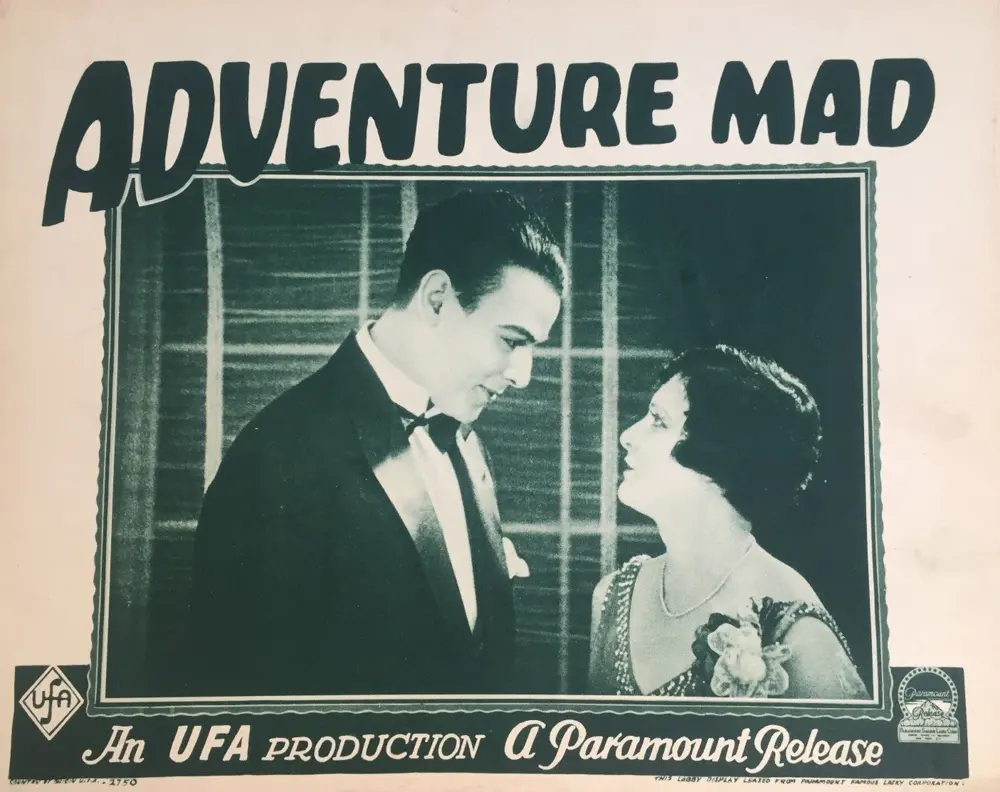
Comparing the cinematic DNA and archive impact of two defining moments in cult history.
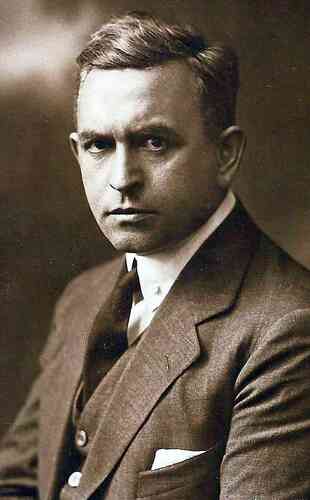
Fred Sauer
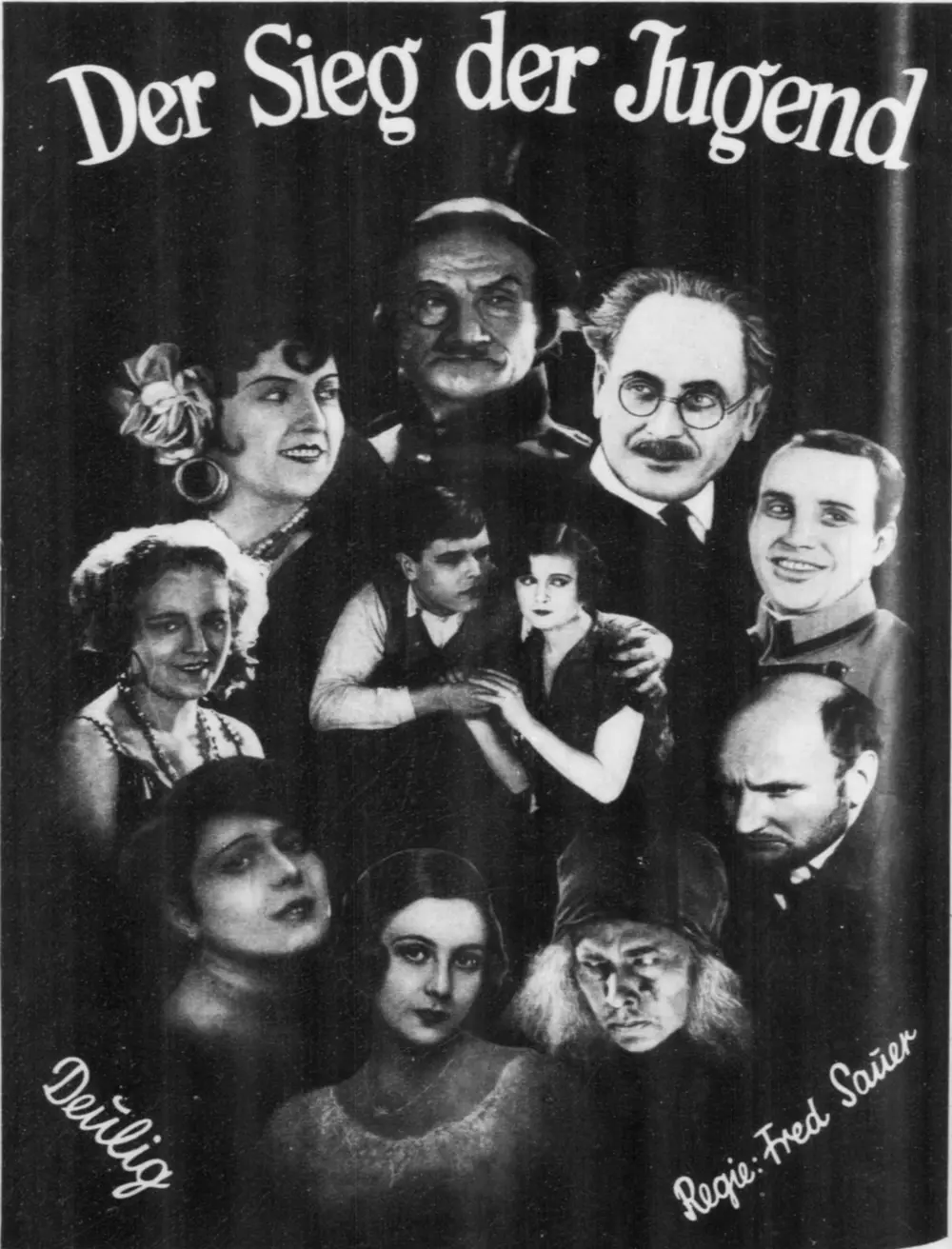
Fred Sauer
Community
Log in to comment.
" Weimar cinema’s most incendiary secret is not a monster on a cathedral rooftop but a whispered syllable of affection, punishable by death. Die Diktatur der Liebe, 2. Teil – Die Welt ohne Liebe surfaces like a nitrate miracle, shimmering with that acrid vinegar perfume that tells you history itself is combustible. Fred Sauer, a name half-erased by the rise of UFA giants, orchestrates a phantasmagoria where eros is contraband and tenderness a contagion. Imagine The Price of Tyranny filtered throu..."
Fred Sauer
Germany
Deep dive into the cult classic
Discover similar cinematic experiences
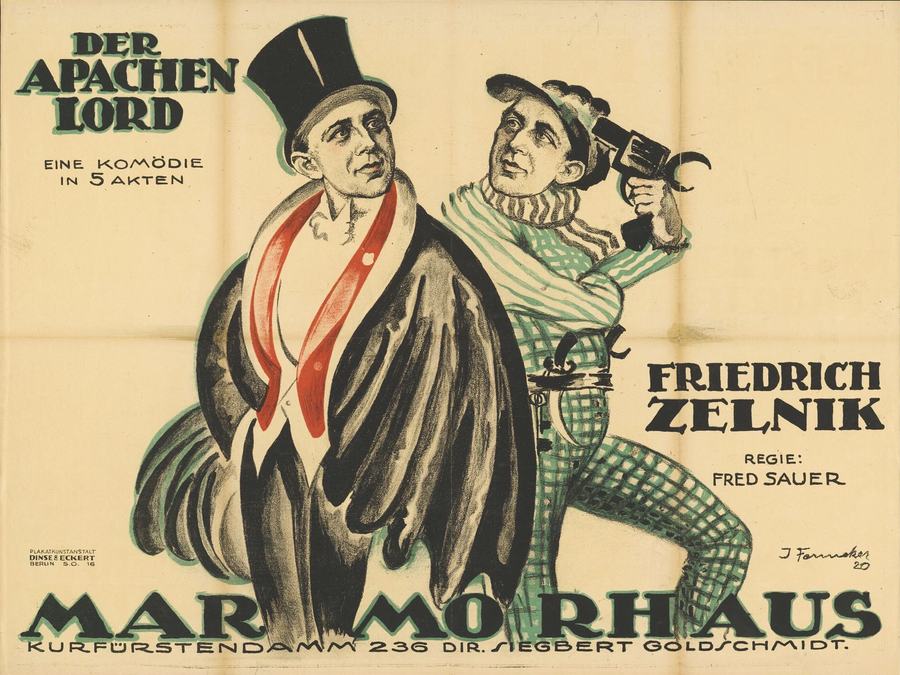
A Directorial Spotlight on Fred Sauer