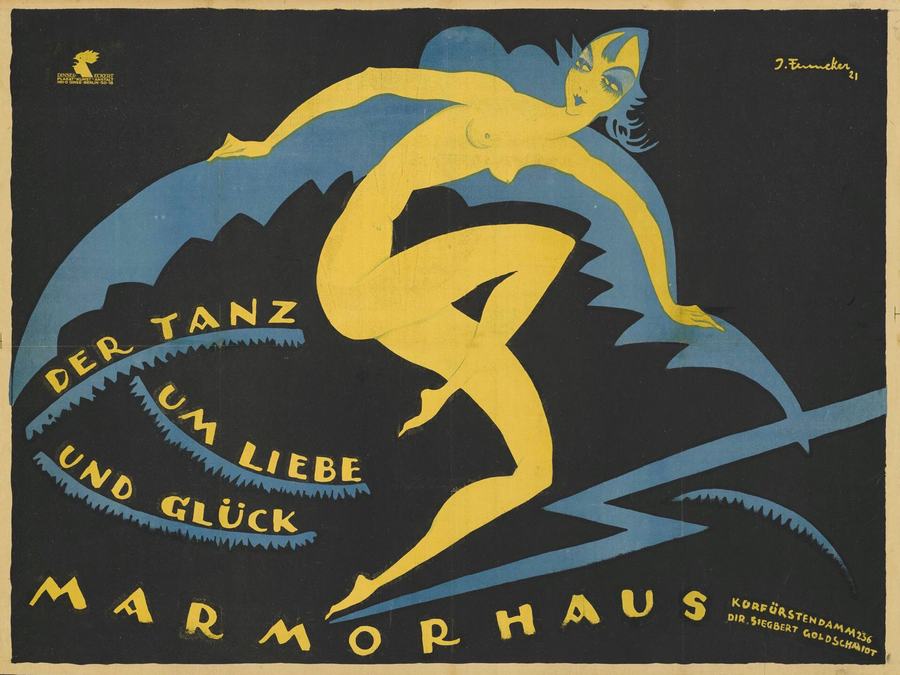
The Kinetic Soul of Weimar Cinema To witness Der Tanz um Liebe und Glück in its restored glory is to step into a fever dream of 1921 Berlin. The film, helmed by the often-underestimated Willy Zeyn, represents a pivotal moment where the German silent screen began to shed its stage-bound origins in favor of a more fl...
Comparing the cinematic DNA and archive impact of two defining moments in cult history.
Willy Zeyn
Willy Zeyn
Community
Log in to comment.
" The Kinetic Soul of Weimar Cinema To witness Der Tanz um Liebe und Glück in its restored glory is to step into a fever dream of 1921 Berlin. The film, helmed by the often-underestimated Willy Zeyn, represents a pivotal moment where the German silent screen began to shed its stage-bound origins in favor of a more fluid, rhythmic visual language. While Zeyn is perhaps better remembered for the proto-detective thrills of Where Is Coletti?, here he pivots toward a lush, melancholic melodrama tha..."
Emmy Sturm
Willy Zeyn, Armin Petersen
Germany

Deep dive into the cult classic
Discover similar cinematic experiences
A Directorial Spotlight on Willy Zeyn