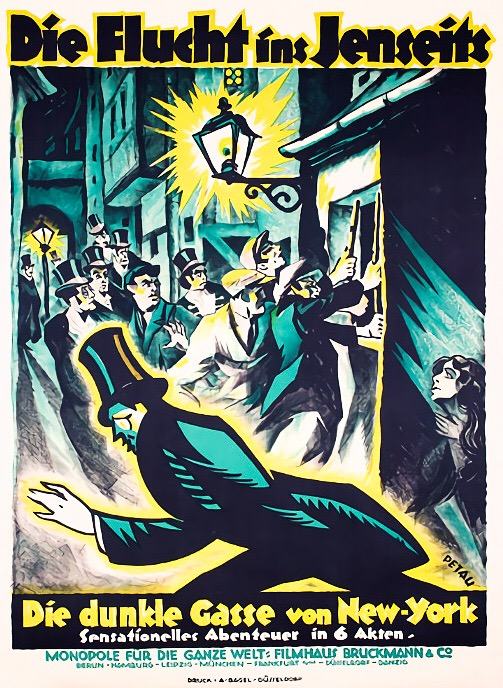
In the pantheon of early German cinema, few works capture the paradoxical allure of the American metropolis with as much visceral dread as Die Flucht ins Jenseits oder: Die dunkle Gasse von New York. Released in 1921, a year defined by the burgeoning aesthetic of German Expressionism, this film stands as a fascinatin...
Comparing the cinematic DNA and archive impact of two defining moments in cult history.
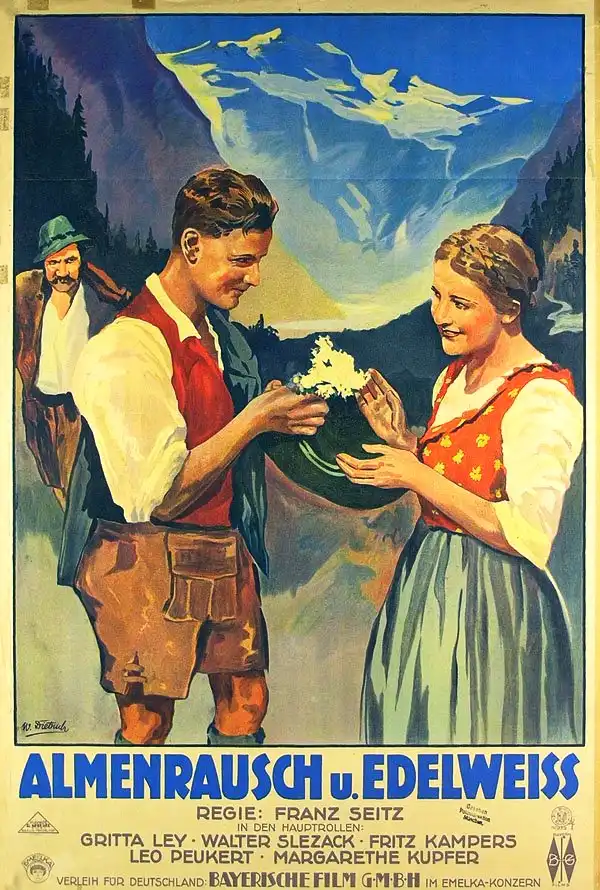
Franz Seitz

Franz Seitz
Community
Log in to comment.
" In the pantheon of early German cinema, few works capture the paradoxical allure of the American metropolis with as much visceral dread as Die Flucht ins Jenseits oder: Die dunkle Gasse von New York. Released in 1921, a year defined by the burgeoning aesthetic of German Expressionism, this film stands as a fascinating intersection between the gritty realism of the 'Kammerspielfilm' and the visionary nightmares that would later define the noir genre. Director and writer Franz Seitz crafts a nar..."
Franz Seitz
Germany
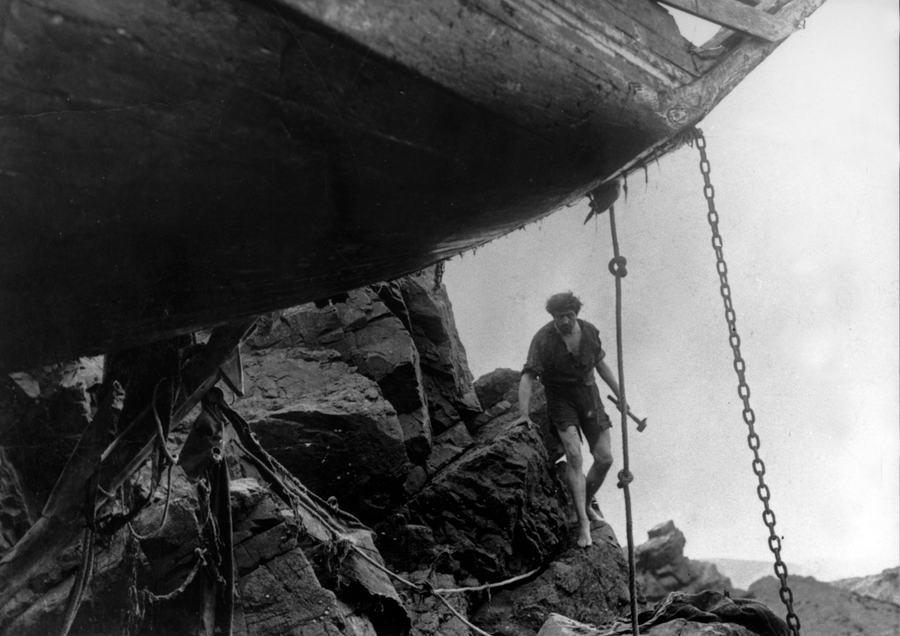
Deep dive into the cult classic
Discover similar cinematic experiences
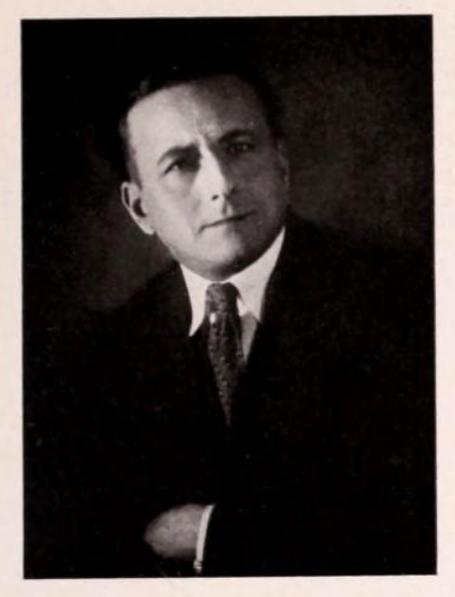
A Directorial Spotlight on Franz Seitz