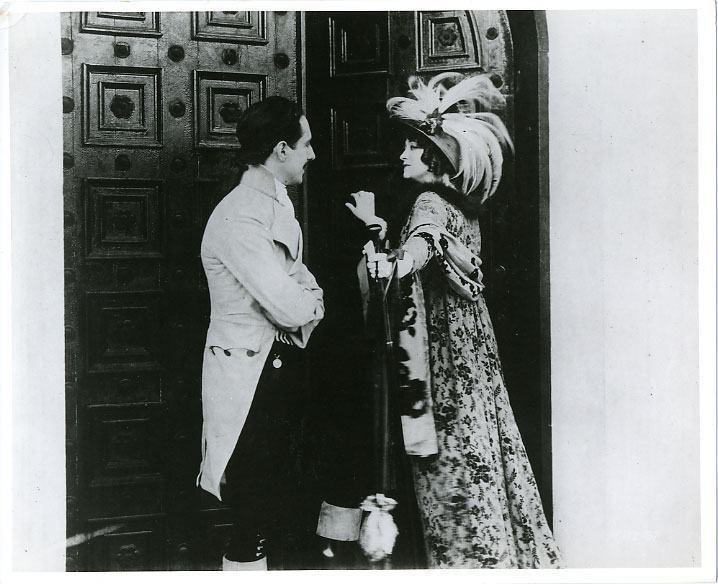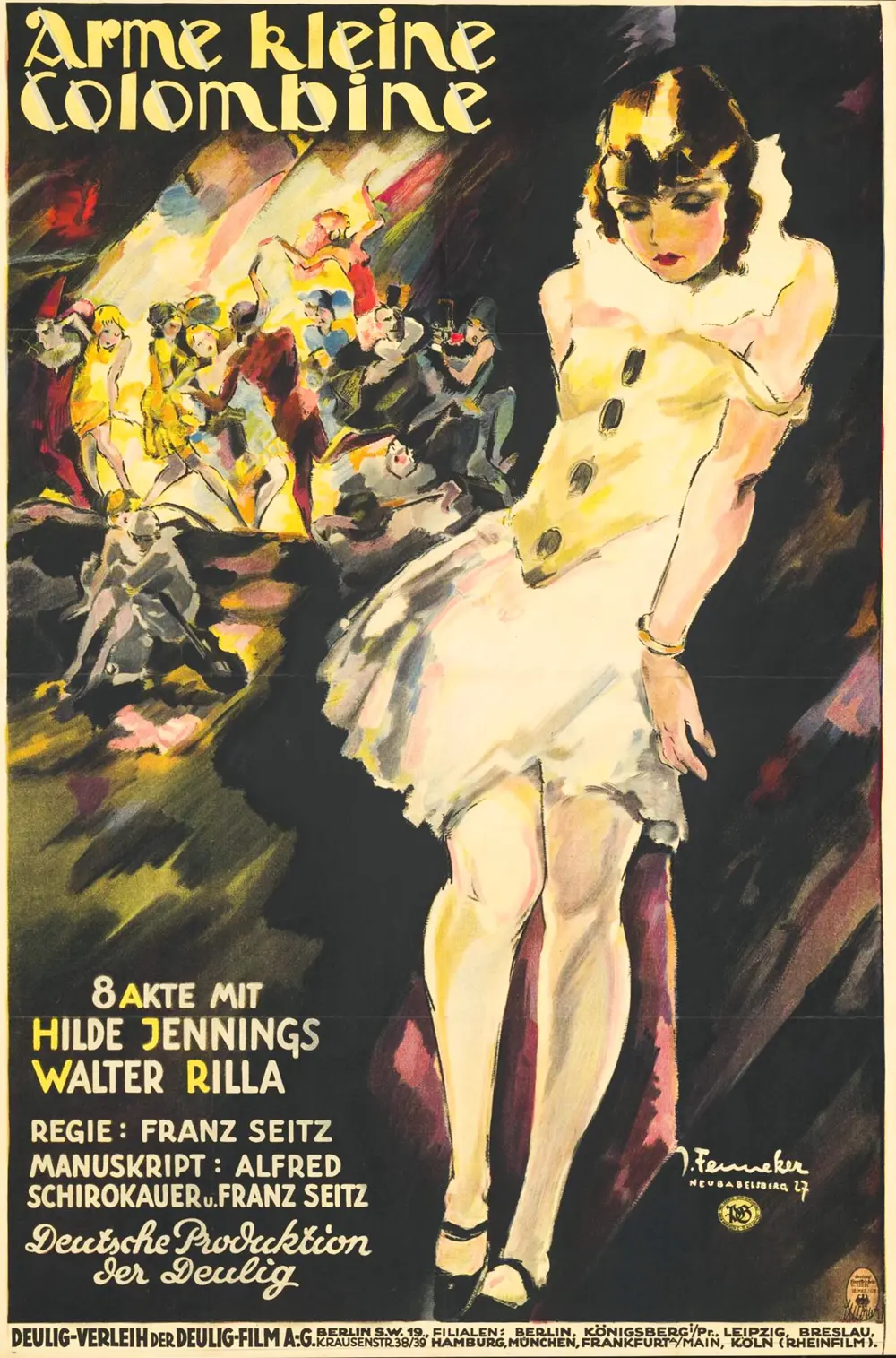
Is Arme kleine Colombine worth your time in the modern era? Short answer: yes, but only if you have the stomach for unvarnished Weimar-era tragedy and the patience for silent-era pacing. This film is for the dedicated cinephile who wants to see the DNA of modern social dramas; it is absolutely not for someone looking f...
Comparing the cinematic DNA and archive impact of two defining moments in cult history.
Franz Seitz
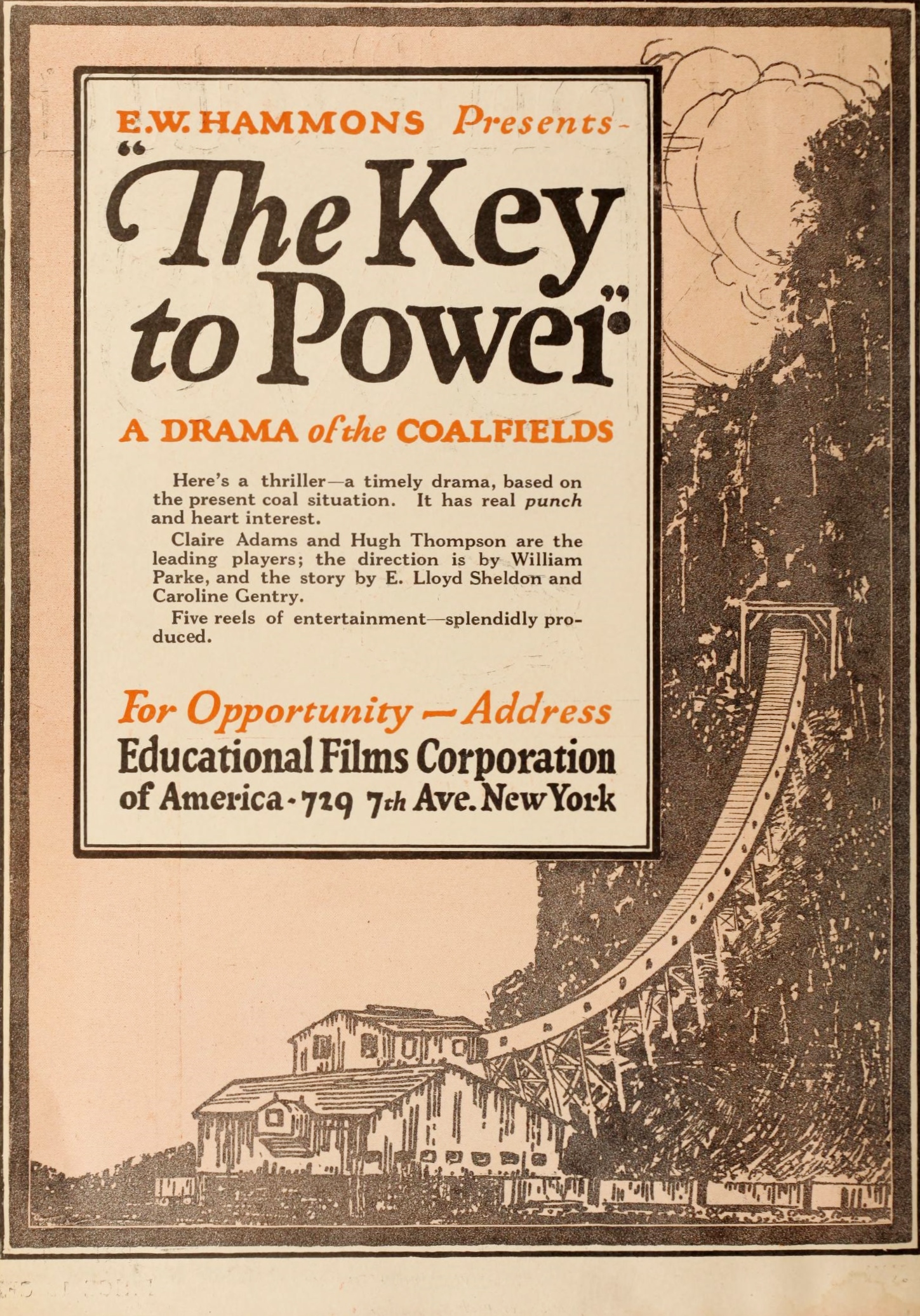
William Parke
Community
Log in to comment.
"Is Arme kleine Colombine worth your time in the modern era? Short answer: yes, but only if you have the stomach for unvarnished Weimar-era tragedy and the patience for silent-era pacing. This film is for the dedicated cinephile who wants to see the DNA of modern social dramas; it is absolutely not for someone looking for a lighthearted evening or a fast-paced narrative. It is a slow, methodical dismantling of a human soul. This film works because it refuses to look away from the transactional na..."
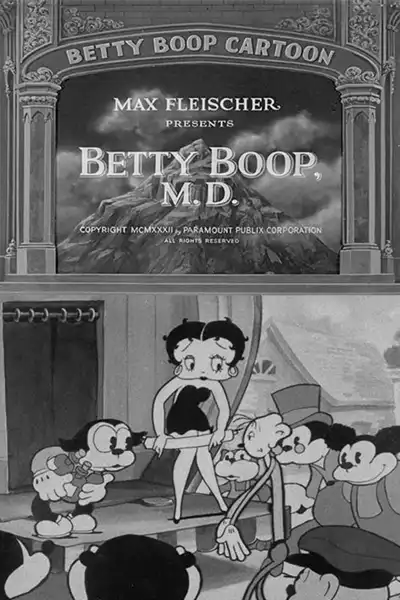

Deep dive into the cult classic
Discover similar cinematic experiences
A Directorial Spotlight on Franz Seitz