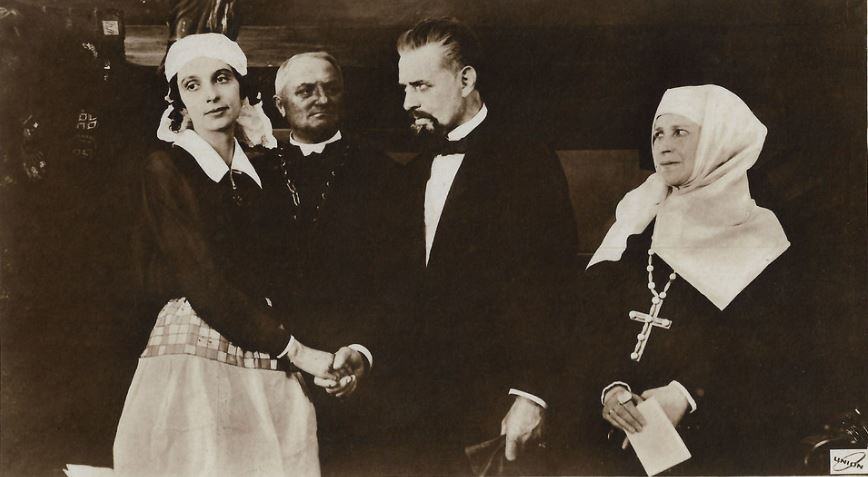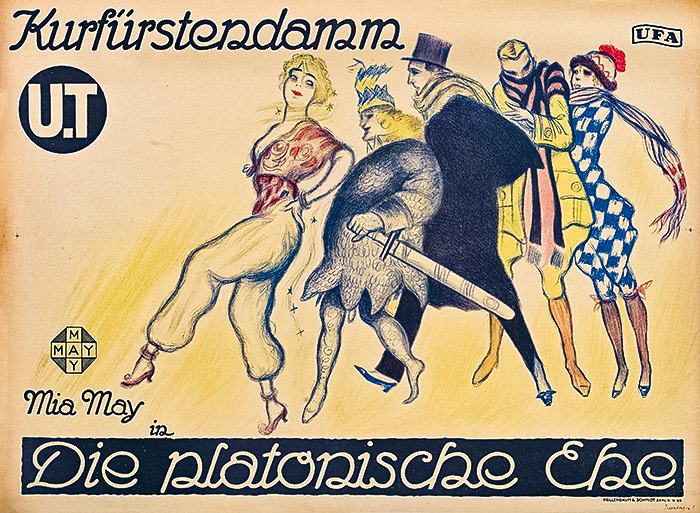
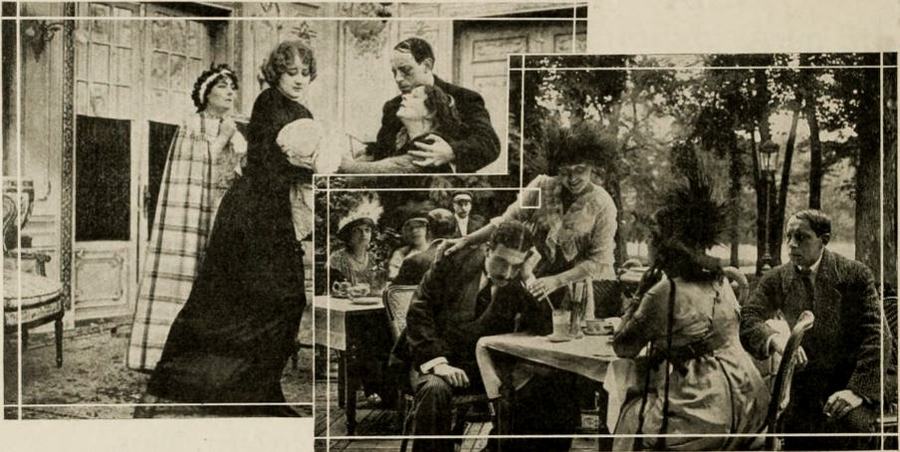
"The Platonic Marriage" - A nobleman marries a rich but supposedly ugly woman because he is broke and wants to save himself financially. The marriage is platonic, but when the count gets to know her better, he falls in love with her.
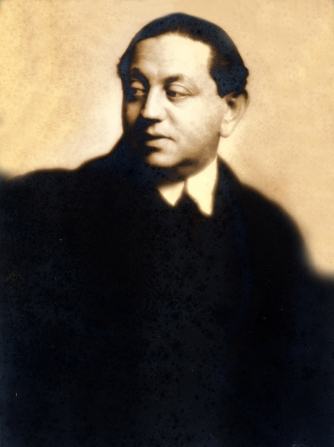
Joe May, Richard Hutter, Ruth Goetz
Germany
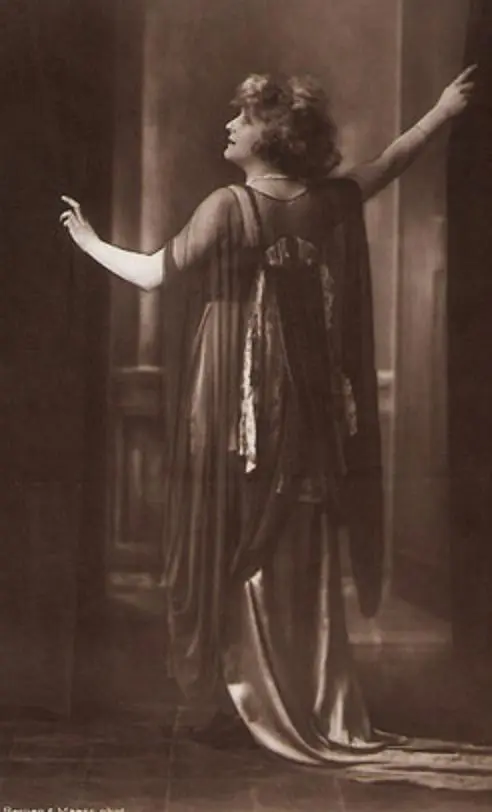
In the pantheon of early German cinema, few figures loom as large or as multifaceted as Joe May. While his later excursions into the 'Sittenfilm' and grand adventures often garner more academic scrutiny, Die platonische Ehe (1919) remains a remarkably nuanced exploration of the intersection between pecuniary necessi...
still_frame
Comparing the cinematic DNA and archive impact of two defining moments in cult history.
Paul Leni
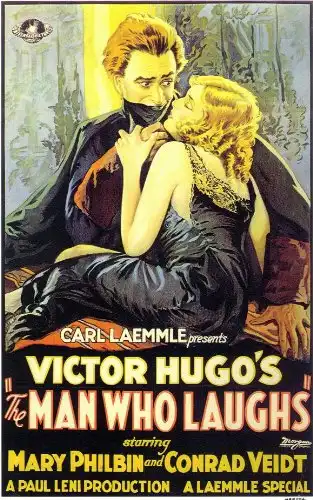
Paul Leni
Community
Log in to comment.
" In the pantheon of early German cinema, few figures loom as large or as multifaceted as Joe May. While his later excursions into the 'Sittenfilm' and grand adventures often garner more academic scrutiny, Die platonische Ehe (1919) remains a remarkably nuanced exploration of the intersection between pecuniary necessity and the mercurial nature of human desire. This is not merely a tale of a 'marriage of convenience'; it is a sophisticated autopsy of the social masks we wear and the terrifying ..."

Deep dive into the cult classic
Discover similar cinematic experiences
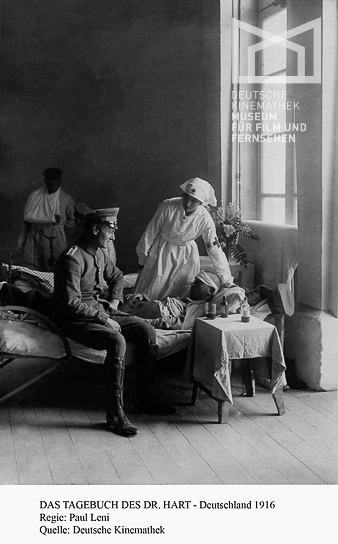
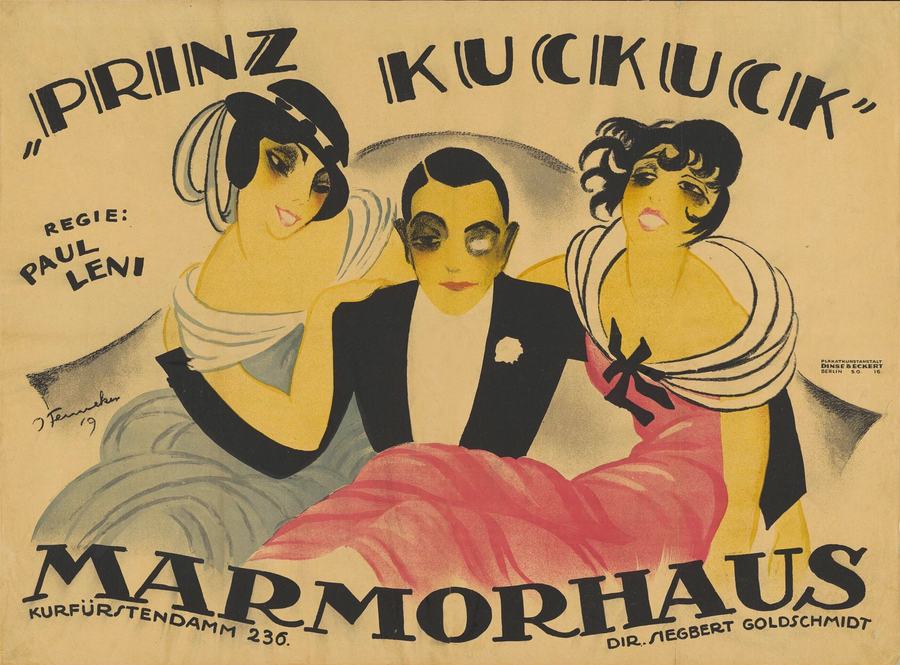
A Directorial Spotlight on Paul Leni