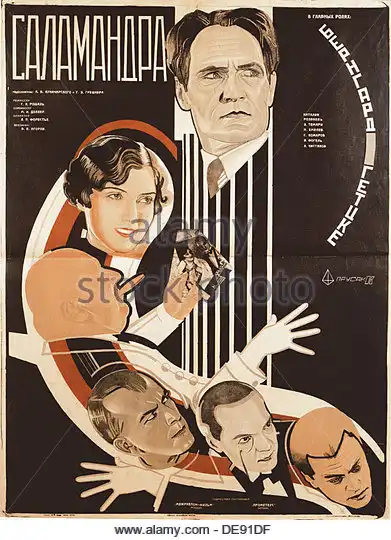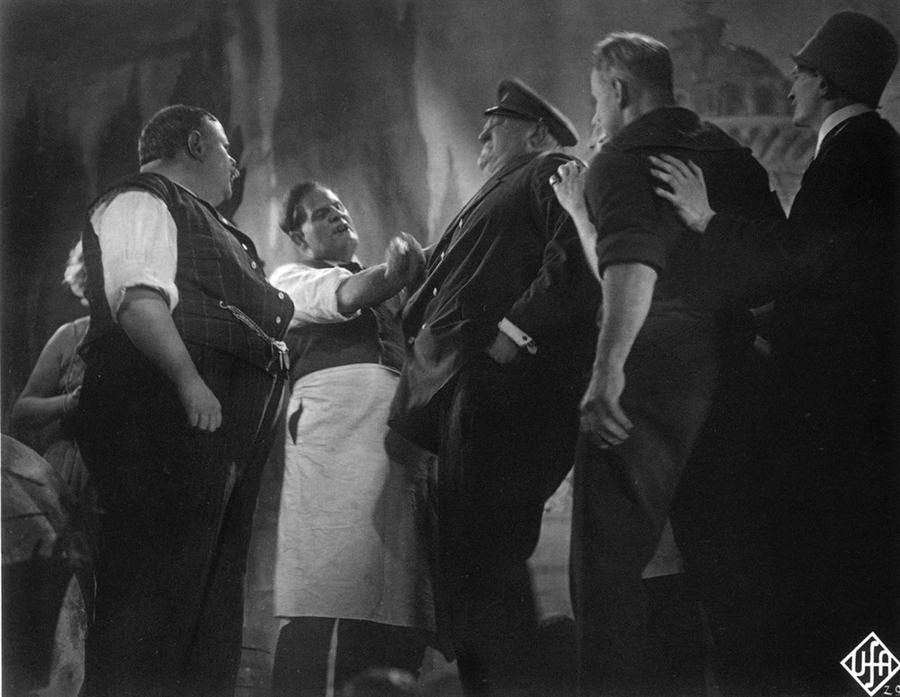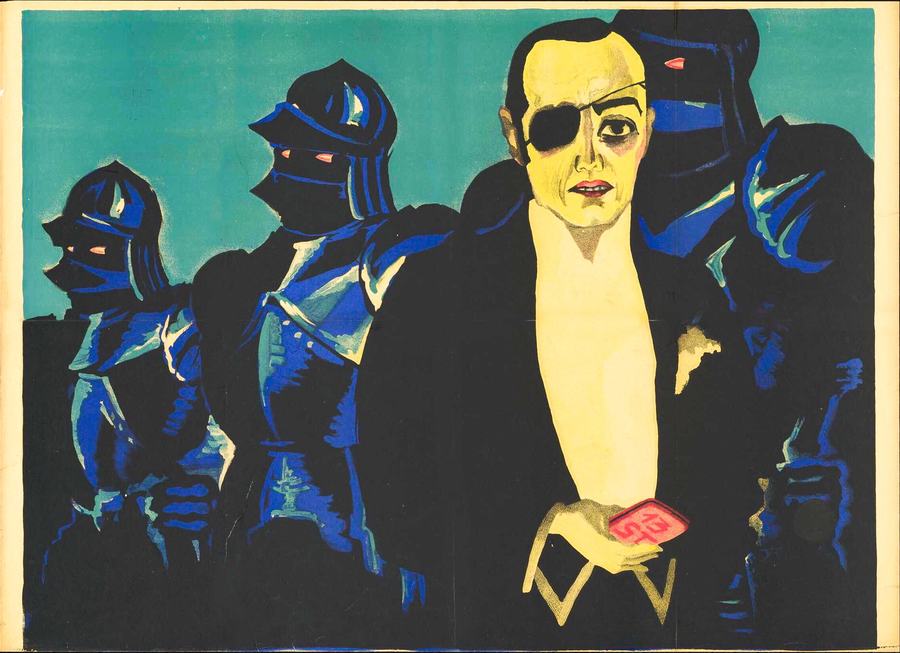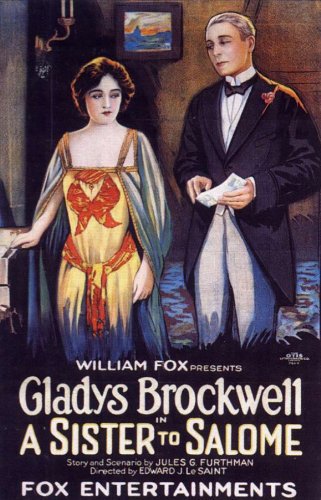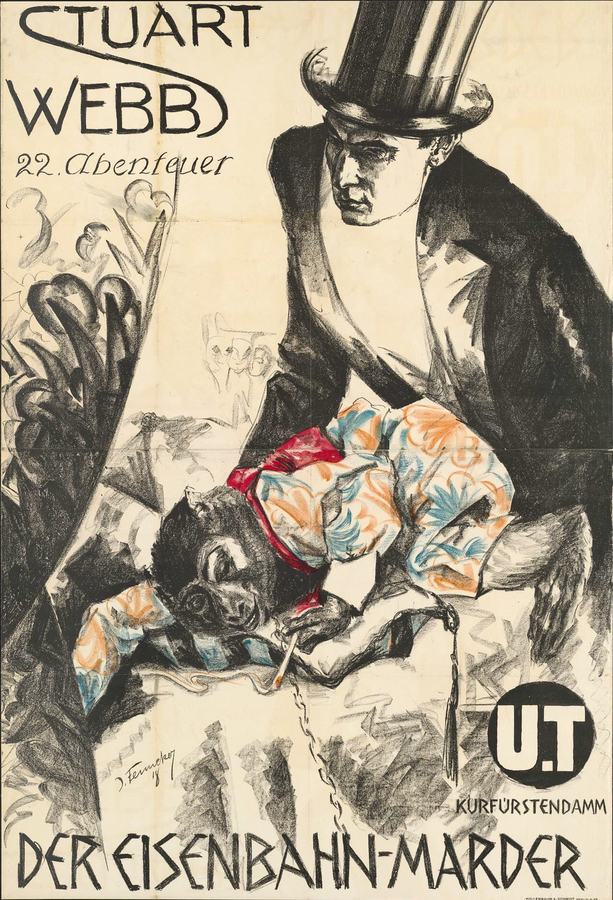
Kornej is a young painter of primitivism. An art agent discover the works of Kornej and buy the whole collection.
Berlin, February 1921. Outside the Ufa-Palast am Zoo, gas lamps hiss at a sky the colour of wet charcoal. Inside, the curtain peels back on a film that feels more like a woodcut come to feral life: Die schwarze Pantherin. Ninety-odd years later, the print surfaces in a Slovenian monastery vault—nitrate reek, emulsion...
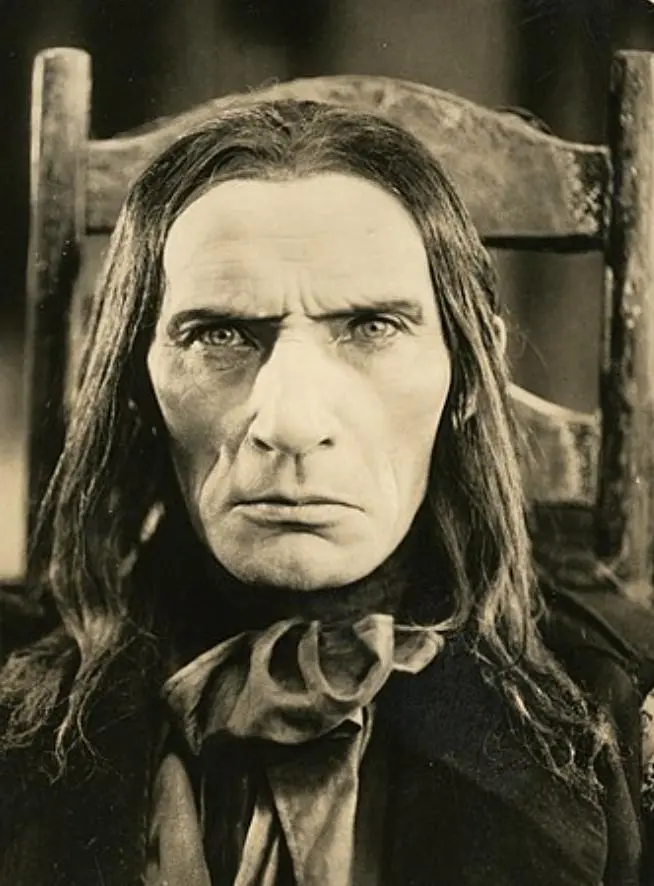
still_frame
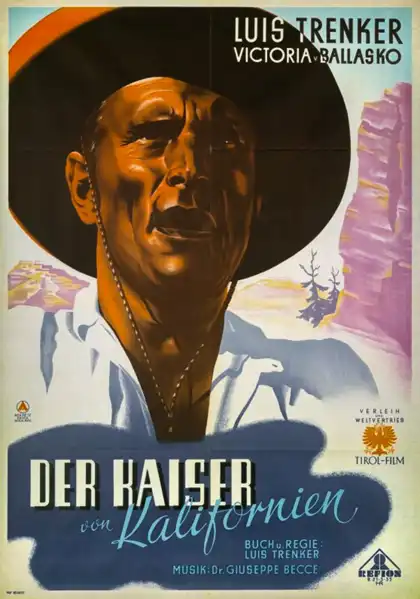

Comparing the cinematic DNA and archive impact of two defining moments in cult history.
Johannes Guter
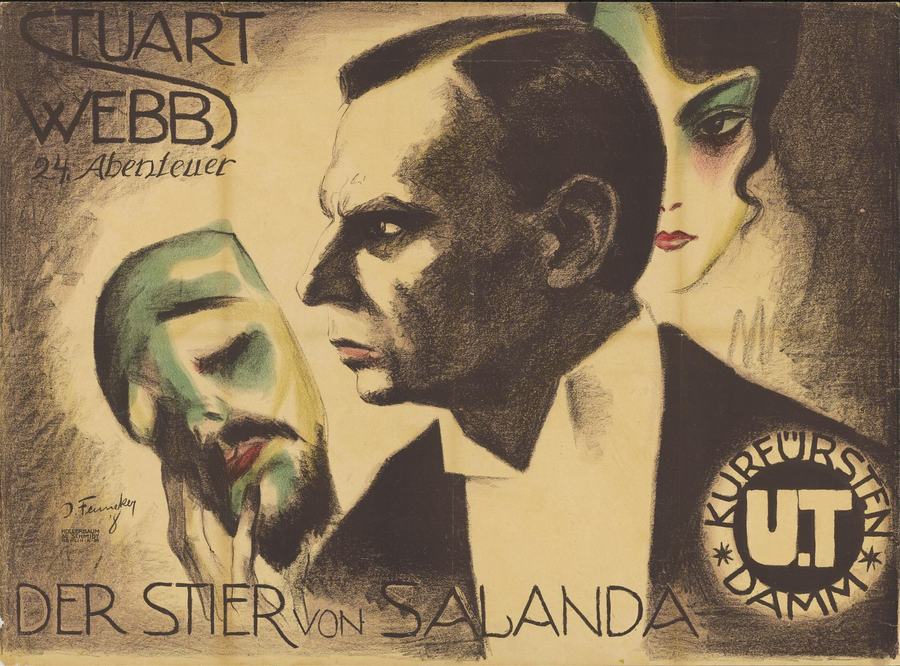
Johannes Guter
Community
Log in to comment.
" Berlin, February 1921. Outside the Ufa-Palast am Zoo, gas lamps hiss at a sky the colour of wet charcoal. Inside, the curtain peels back on a film that feels more like a woodcut come to feral life: Die schwarze Pantherin. Ninety-odd years later, the print surfaces in a Slovenian monastery vault—nitrate reek, emulsion bruised like overripe peaches—and suddenly the twenty-first-century cine-twittersphere catches fire. Why? Because this orphaned classic detonates every lazy myth about ‘naïve’ art..."
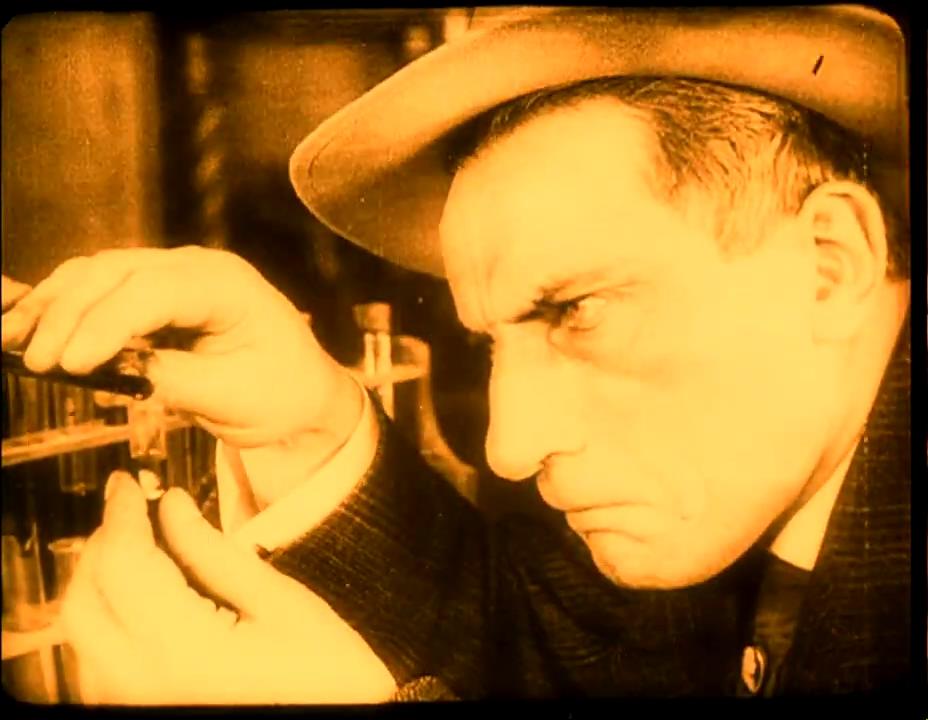
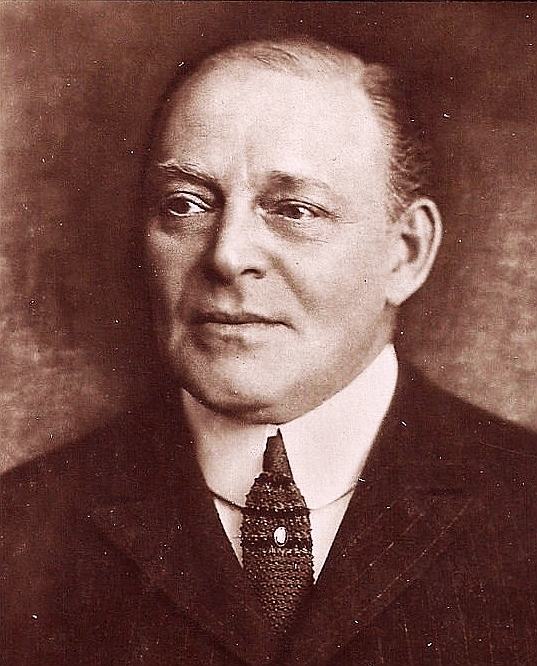
Friedrich Kühne
Hans Janowitz, Johannes Guter, Volodymyr Vynnychenko
Germany