DbcultAccessing Vault...
Cult Review
Senior Film Conservator
Criterion Closet Confidential
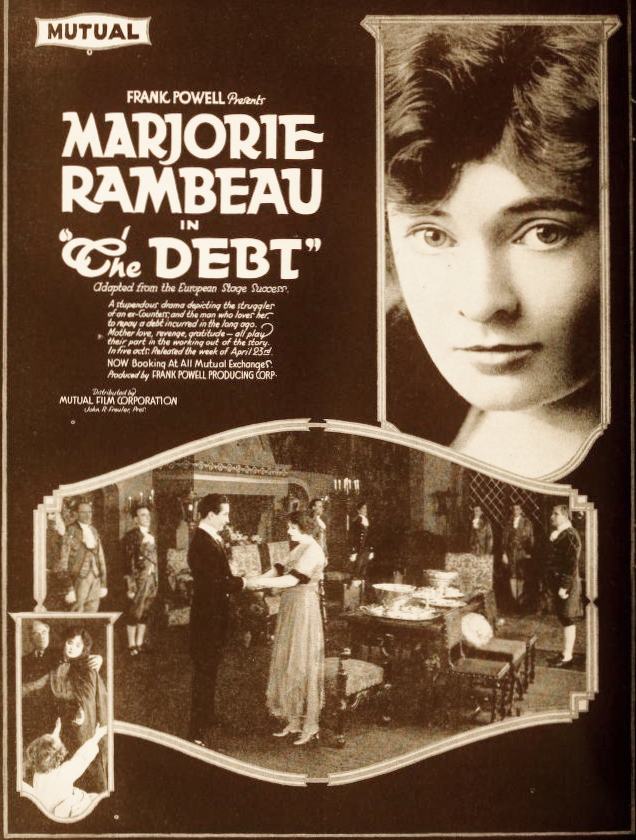
Clara Beranger’s quill drips acid across the intertitles of The Debt, a film that treats morality like a promissory note: easily written, violently collected. Each frame is a ledger—assets of hope on the left, liabilities of shame on the right—and the arithmetic is done by gaslight. You can almost smell the ink corroding the parchment as Ann’s dowry evaporates.
Director Kilbourn Gordon shoots the Count’s estate like a cathedral whose stained glass has been swapped for unpaid bills; every long corridor funnels toward an abyss of civic rage. When the suicide reverberates, the camera dolly-in is so glacial you feel the soul leave the body before the bullet confirms it. Compare this to the mineral despair in Sadounah; both films understand that ruin is prettier when lit like a Caravaggio.
Across the Atlantic, Slater’s American interiors pulse with nickelodeon vulgarity—taxidermy owls, overwrought wallpaper, a parlor organ that exhales Protestant guilt. It is here that Marjorie Rambeau, as the mother-in-law, weaponizes maternal love into something resembling Oedipal bondage. Her eyes gleam the way wolves’ eyes do when they discover the sled dog is limping.
Anne Sutherland’s Ann is not some porcelain martyr; her cheekbones carry fiduciary sternness, as though she could audit you into the poorhouse with a glance. Watch the way she negotiates the marriage proposal scene: pupils dilate like a speculator spotting a margin call, yet her smile stays pegged to the etiquette of a 19th-century valentine. She embodies the film’s thesis—that solvency and salvation rarely share the same ledger.
Henry Warwick’s Baron Moreno arrives with the languid cruelty of a man who has never feared collection agencies; his moustache alone deserves a separate billing. Robert Elliott’s Slater, by contrast, is all kinetic desperation, a carnival barker one step ahead of both constables and conscience. Their final knife fight is choreographed less like a duel than like a hostile merger—each stab a line item, each parry a regulatory hurdle. Blood spatters onto Ann’s traveling cloak like red ink declaring the firm insolvent.
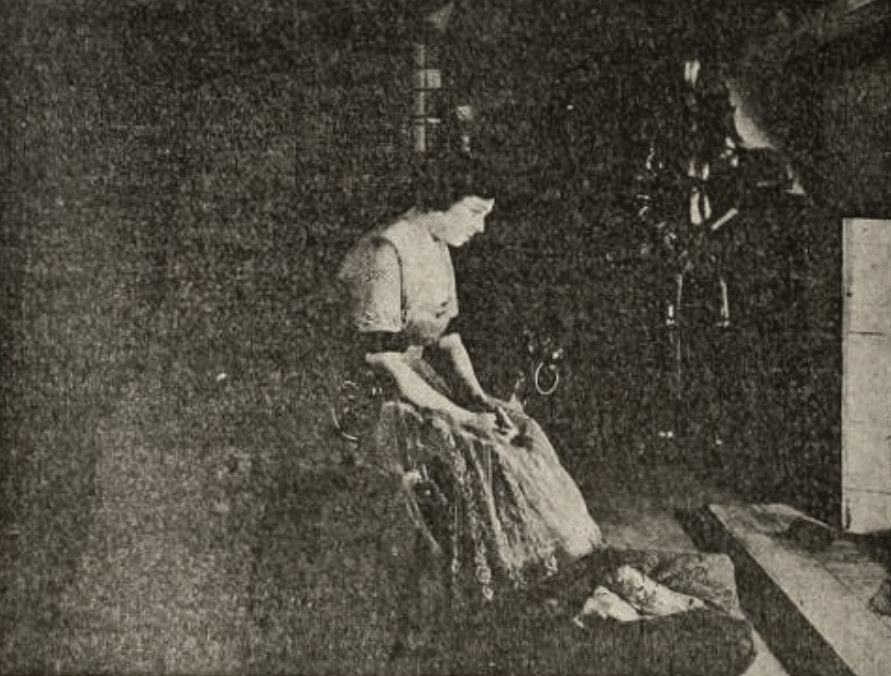
Where The Scarlet Woman interrogates scarlet letters, The Debt interrogates scarlet balances. Slater’s mother does not merely resent Ann; she resents the liquidity of affection, the way love can be liquidated and transferred. Her machinations feel Shakespearean—think Lady Macbeth if she balanced checkbooks instead of kingdoms.
The ocean crossing becomes a narrative ellipsis, a place where identities are restamped like passports. Gordon intercuts shots of churning paddle-wheels with Ann’s rocking cradle, forging a visual pun: the world’s liquidity versus an infant’s dependency. The symbolism is blunt yet effective—exactly the sort of dialectical montage that would later intoxicate Soviet formalists.
Viewed today with a contemporary score, the film still crackles with the electricity of silence. The baby’s cry—implied rather than recorded—becomes a banshee that haunts the intertitles. One wonders how Michel Chion would parse this: an acousmatic presence whose source we never hear yet cannot escape.
The closing repatriation to France upends colonial expectation: America is not the savior but the debtor, and Europe demands restitution. Ann’s return is less a homecoming than a foreclosure auction where she voluntarily repurchases her moral collateral. She does not walk; she invoices.
Stack this against the spiritual bankruptcy in Blind Justice or the ecclesiastical shell game in The Hypocrites, and you’ll notice a trend: the ’20s loved to tally souls in double-entry format. Yet none balance the books with the merciless grace of The Debt.
Is the film flawless? Hardly. Secondary characters—Agnes Ayres’ maidservant, Paul Everton’s village priest—function more like line items than lived lives. Some intertitles sag under the weight of moral exposition. Yet these are rounding errors in a portfolio of astonishing risk.
The Debt survives as a cautionary folio: speculate with humanity, and the market will demand your veins as collateral. Long after the nickelodeon’s piano falls silent, the arithmetic of regret keeps ticking—an abacus of heartbeats, a compound interest of sorrow.

IMDb 5.6
1931
Community
Log in to comment.