DbcultAccessing Vault...
6.5/10
Senior Film Conservator
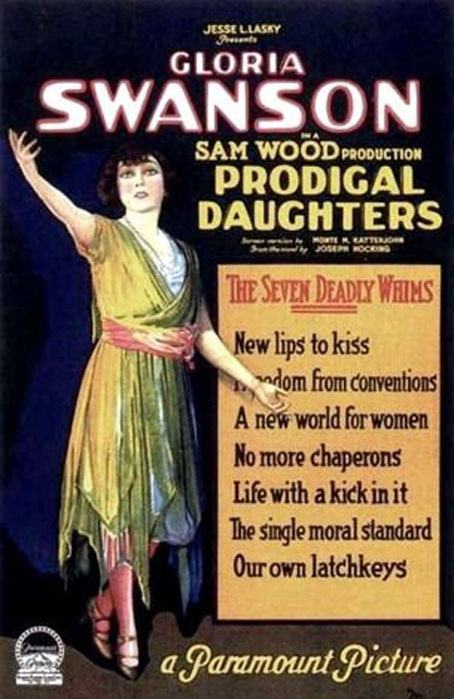
A definitive 6.5/10 rating for a film that redefined the boundaries of cult cinema. Prodigal Daughters remains a cornerstone of transgressive art.
Stepping back into the glittering, tumultuous decade of the 1920s, one finds oneself immediately immersed in a cultural vortex where traditional values clashed spectacularly with burgeoning modernity. Few films encapsulate this societal upheaval with the vividness and dramatic flair of Prodigal Daughters. This cinematic gem, a vibrant tapestry woven from threads of rebellion, indulgence, and eventual redemption, offers more than just a narrative; it presents a mirror reflecting the anxieties and aspirations of an era defined by its flappers, jazz, and the shadow of Prohibition.
At its core, the film is a fascinating character study, primarily focused on the spirited Elinor 'Swifty' Forbes, brought to life with an incandescent energy by the inimitable Gloria Swanson. Swifty, alongside her younger sister Marjory, are the privileged offspring of the wealthy J. D. Forbes. Their mother, a figure of seemingly boundless leniency, offers little in the way of restraint, effectively casting her daughters adrift into the intoxicating currents of the flapper set. This parental permissiveness, a theme that resonates through many narratives of the time, sets the stage for their inevitable dance with danger and disillusionment. The film doesn't merely chronicle their escapades; it dissects the very fabric of their choices, revealing the intoxicating allure and the inherent perils of a life unmoored from conventional expectations.
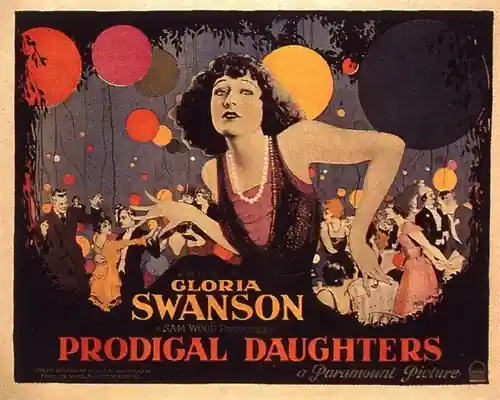
Marjory, portrayed by Vera Reynolds, initially finds herself captivated by Lester Hodges, a songwriter whose artistic sensibilities likely offered a romantic, if somewhat superficial, counterpoint to her gilded existence. Their union, however, proves to be a fragile construct, a testament to the era's often-hasty romantic entanglements that frequently buckled under the weight of reality. Meanwhile, Swifty's path diverges sharply into a more perilous direction. She gravitates towards the clandestine world of Garside, a shadowy figure who presides over a card room, representing the darker, more illicit underbelly of the Jazz Age. This choice immediately positions Swifty as the more audacious, perhaps reckless, of the two sisters, a stark contrast to Marjory's relatively conventional, albeit fleeting, marital venture.
It is within the smoky confines of Garside's establishment, a den of chance and questionable morality, that Swifty encounters Roger Corbin. Played with a quiet steadfastness by Robert Agnew, Corbin is an engineer, a man of structure and integrity, employed within her father's very own business empire. His presence introduces a crucial element of contrast, a beacon of grounded stability amidst Swifty's whirlwind existence. Their burgeoning romance is a classic narrative device: the good man drawn to the wild woman, hoping to temper her spirit without extinguishing her fire. Corbin's love for Swifty is presented as genuine and unwavering, a stark counterpoint to the superficiality that surrounds her.
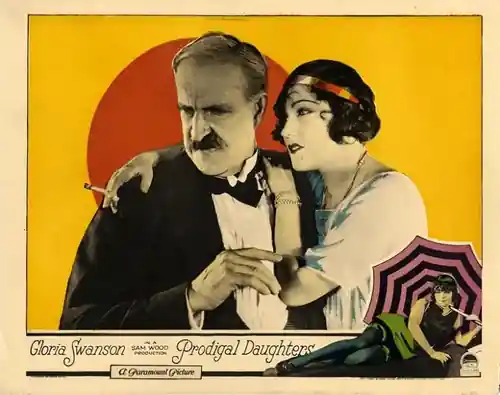
The narrative gains significant momentum when Mr. Forbes, played by Theodore Roberts, finally confronts his daughters about their increasingly scandalous behavior. His protestations, though belated, serve as a turning point, pushing the sisters to make a definitive break from the paternal home. This act of defiance, while seemingly an assertion of independence, plunges them further into the consequences of their choices. Marjory's brief marriage to Hodges unravels, leading her back to the protective, if now more chastened, embrace of her parents. Her journey highlights a common theme in silent cinema: the societal expectation for women to eventually return to the fold, even after a taste of independence. This arc, in some ways, mirrors the societal commentary found in films like A Daughter of the City, where urban challenges often drive characters back to their roots or into difficult compromises.
Swifty's situation, however, is far more precarious. Her dalliance with gambling has accumulated significant debt, binding her to the insidious Garside. The stark reality of her financial predicament forces her hand, leading her to agree to a marriage of convenience with the very man who profited from her recklessness. This dark turn in the plot showcases the grim realities faced by women who ventured too far from societal norms without a safety net, a theme explored with varying degrees of tragedy in films like Her Purchase Price. The impending marriage to Garside is not one of love, but of obligation and desperation, painting a bleak picture for our spirited protagonist.
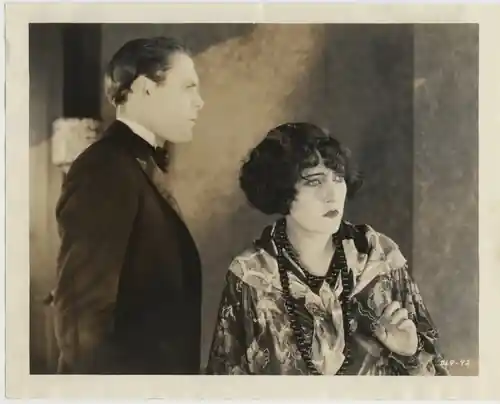
Just as Swifty’s fate appears sealed, a dramatic intervention, steeped in the cultural anxieties of the time, occurs. While she is with Garside in a café, prohibition agents raid the establishment. This pivotal moment, a direct consequence of the era's stringent liquor laws, injects a sudden surge of adrenaline into the narrative. The chaos of the raid provides the perfect backdrop for Roger Corbin, who has been tirelessly searching for Swifty, to re-enter her life. His arrival is not merely coincidental; it is the culmination of his unwavering devotion and a narrative contrivance that feels both earned and dramatically satisfying.
Corbin’s decisive action to help Swifty escape from the raid, and by extension, from the clutches of Garside and her self-imposed predicament, serves as the ultimate act of salvation. It’s a moment of pure cinematic heroism, where the steady, dependable man rescues the wild, impulsive woman, not from a physical threat alone, but from a life she no longer desires. Their reunion is framed as a triumph of genuine affection over superficial allure and dangerous choices, offering a glimmer of hope and a promise of a more stable, fulfilling future. This resolution, while perhaps a touch idealistic, was a common and often comforting conclusion for audiences of the era, affirming traditional values even after a journey through moral ambiguity.
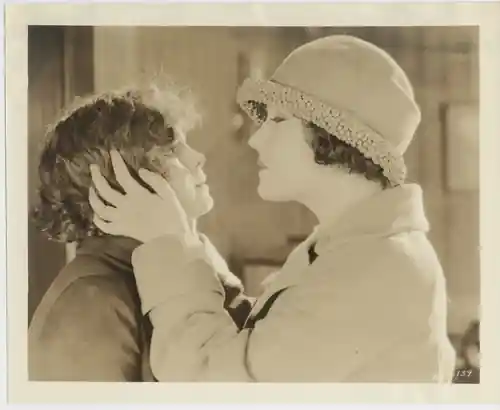
The brilliance of Prodigal Daughters lies not only in its compelling narrative but also in the masterful performances of its cast, particularly Gloria Swanson. Her portrayal of Swifty is a tour de force, embodying the vivacity, vulnerability, and underlying strength of a woman navigating a rapidly changing world. Swanson, a true icon of the silent screen, commands every frame with her expressive eyes and gestures, conveying a depth of emotion that transcends the absence of spoken dialogue. Her ability to transition from carefree exuberance to desperate resignation and ultimately, to hopeful relief, is a testament to her unparalleled acting prowess. One might draw parallels to other strong female characters of the era, perhaps the determined spirit found in Jane Eyre, adapted for the screen, or the independent streak in The Fifth Wheel, though Swifty's journey is distinctly rooted in the hedonism of the Jazz Age.
The supporting cast, including Theodore Roberts as the disapproving but ultimately loving father and Louise Dresser as the indulgent mother, provide excellent foils to the sisters' wildness. Charles Clary as Garside masterfully projects an aura of insidious charm and menace, making him a truly formidable antagonist. The writers, Joseph Hocking and Monte M. Katterjohn, meticulously crafted a screenplay that, while adhering to certain conventions of the time, managed to explore complex themes of moral decay, redemption, and the evolving role of women with surprising nuance. Their ability to weave together individual character arcs with broader societal commentary is commendable, creating a narrative that feels both personal and universal.
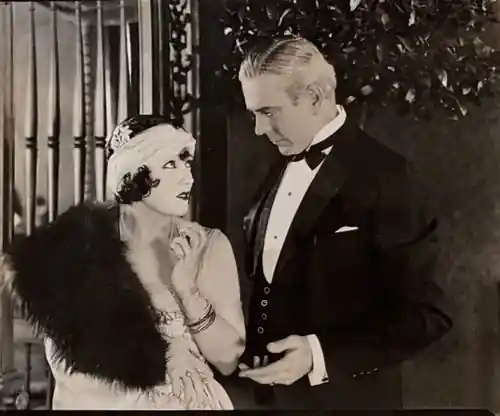
The film's visual language is equally captivating. Silent films relied heavily on elaborate sets, costumes, and lighting to convey mood and atmosphere, and Prodigal Daughters is no exception. The depiction of the opulent Forbes estate contrasts sharply with the dimly lit, illicit card rooms and the bustling, often chaotic, cityscapes. These visual juxtapositions underscore the thematic divides within the story – between wealth and ruin, innocence and experience, order and chaos. The fashion of the flapper era, with its daring hemlines and bobbed hair, is showcased throughout, serving not just as period detail but as a visual representation of the characters' rebellious spirit.
Furthermore, the pacing and editing are remarkably effective for a film of its time, building tension and releasing it with expert precision. The intertitles, far from being mere plot devices, often provide poetic or dramatic commentary, enriching the audience's understanding of the characters' inner turmoil and societal context. The sequence of the prohibition raid, in particular, is a masterclass in silent film action, using rapid cuts and dynamic camera work (for its era) to heighten the sense of urgency and danger, reminiscent of the thrilling sequences one might find in films like The Roaring Road, albeit with a different thematic focus.
In its entirety, Prodigal Daughters stands as more than just a historical artifact; it remains a compelling piece of cinema that continues to resonate with contemporary audiences. It’s a powerful exploration of youth, rebellion, and the search for identity amidst societal flux. The film's enduring appeal lies in its ability to capture a specific historical moment while delving into universal human experiences. The choices made by Swifty and Marjory, their struggles with parental expectations, societal pressures, and personal desires, are themes that transcend the confines of the Jazz Age.
For those interested in the evolution of women's roles in cinema, or simply a captivating drama, Prodigal Daughters offers a rich and rewarding viewing experience. It reminds us that while the outward manifestations of rebellion may change, the human spirit’s yearning for freedom and the quest for genuine connection remain eternal. It is a testament to the power of silent film to convey profound emotion and complex narratives without uttering a single word, relying instead on the artistry of its performers and the vision of its creators. This film truly encapsulates the spirit of an era, providing both entertainment and a valuable historical lens.
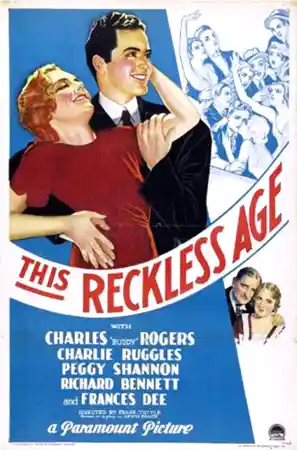
IMDb 6.7
1931
Community
Log in to comment.