
Germany
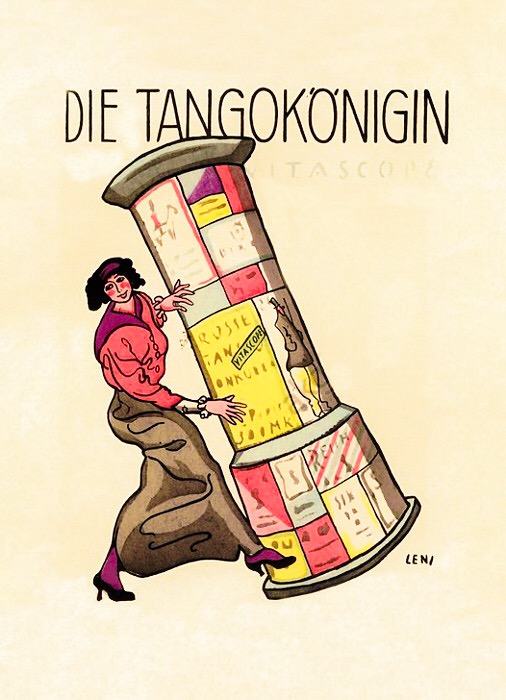
Gaslight flickers, violins scrape, and a woman’s hip disobeys the laws of physics—welcome to Die Tangokönigin, the 1913 German one-reeler that punches so far above its weight it leaves bruises on the moon. Clocking in at a brisk fourteen minutes, this celluloid cigarette burn feels like stumbling into a fin-de-siècle...
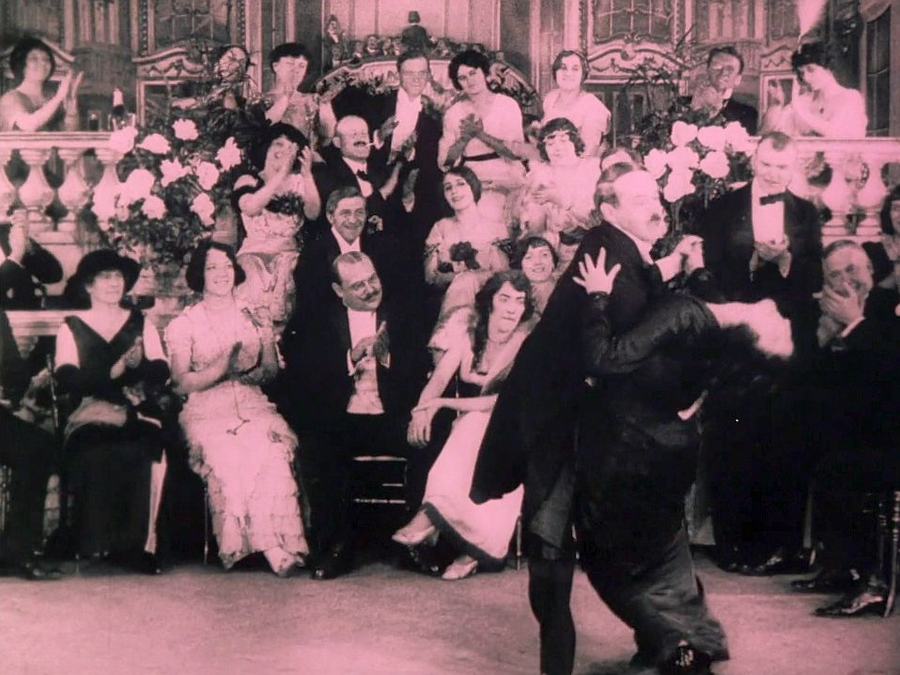
still_frame
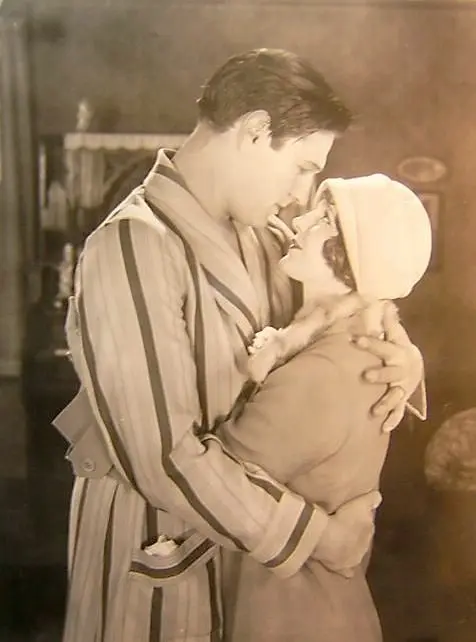
Comparing the cinematic DNA and archive impact of two defining moments in cult history.
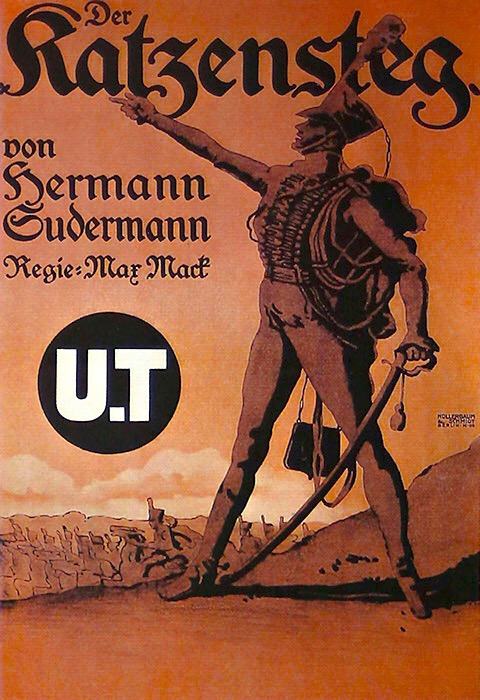
Max Mack
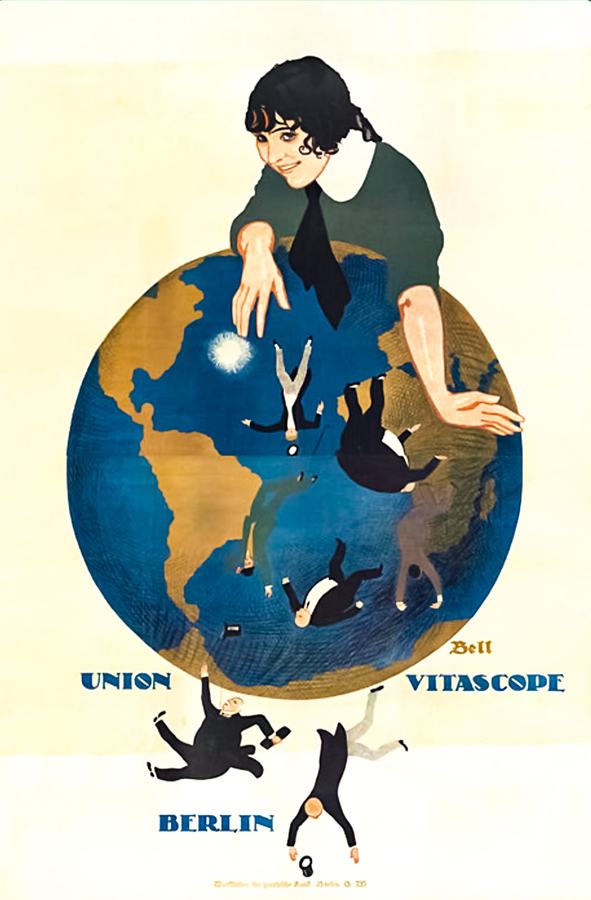
Max Mack
Community
Log in to comment.
" Gaslight flickers, violins scrape, and a woman’s hip disobeys the laws of physics—welcome to Die Tangokönigin, the 1913 German one-reeler that punches so far above its weight it leaves bruises on the moon. Clocking in at a brisk fourteen minutes, this celluloid cigarette burn feels like stumbling into a fin-de-siècle fever dream where every frame has been marinated in absinthe and lit with phosphorus. The Plot as Palimpsest There is no hand-holding intertitle babbling “Our story begins…”—the..."
Deep dive into the cult classic
Discover similar cinematic experiences
A Directorial Spotlight on Max Mack