Nils Olaf Chrisander, Eufemia Gräfin von Adlersfeld-Ballestrem, Richard Kühle
Germany
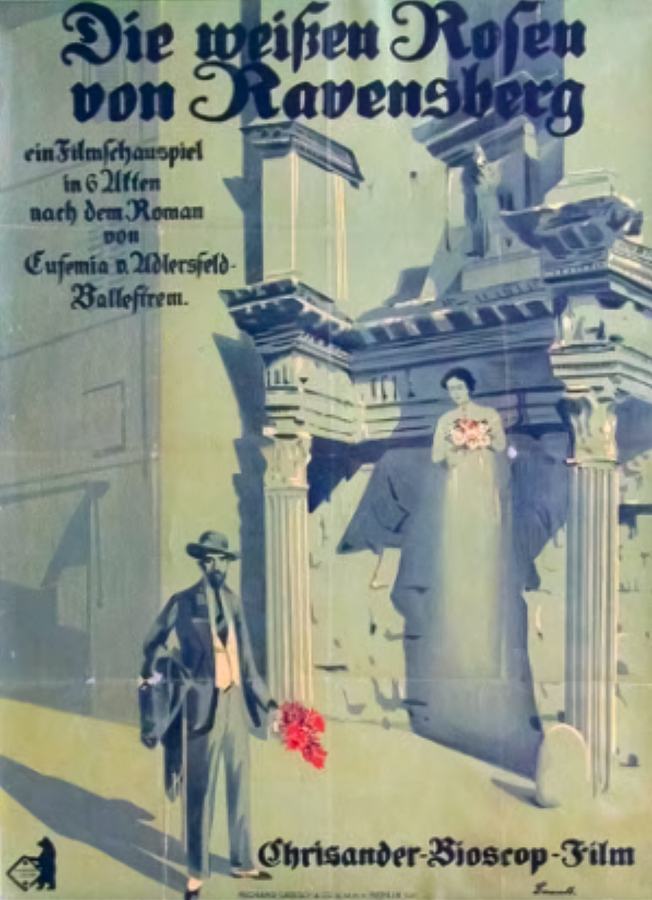
To witness Die weißen Rosen von Ravensberg is to step into a temporal rift, a flickering window into the burgeoning sophistication of 1919 German cinema. Directed by the polymathic Nils Olaf Chrisander, who also lent his hand to the screenplay and took a prominent role before the lens, this film represents a pivotal ...
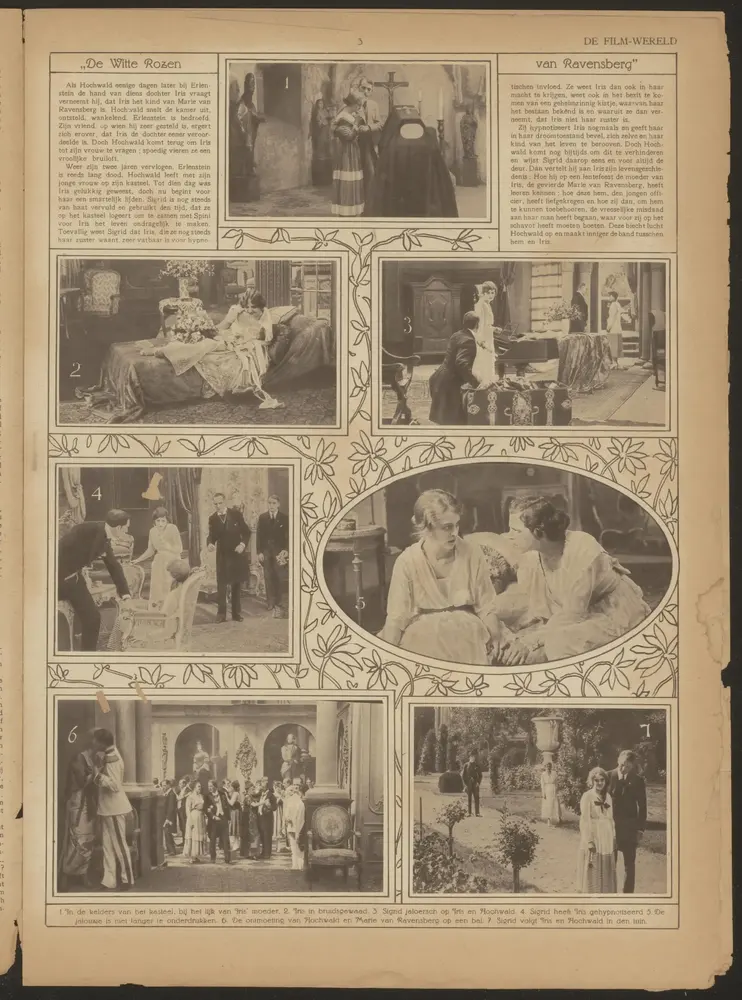
publicity
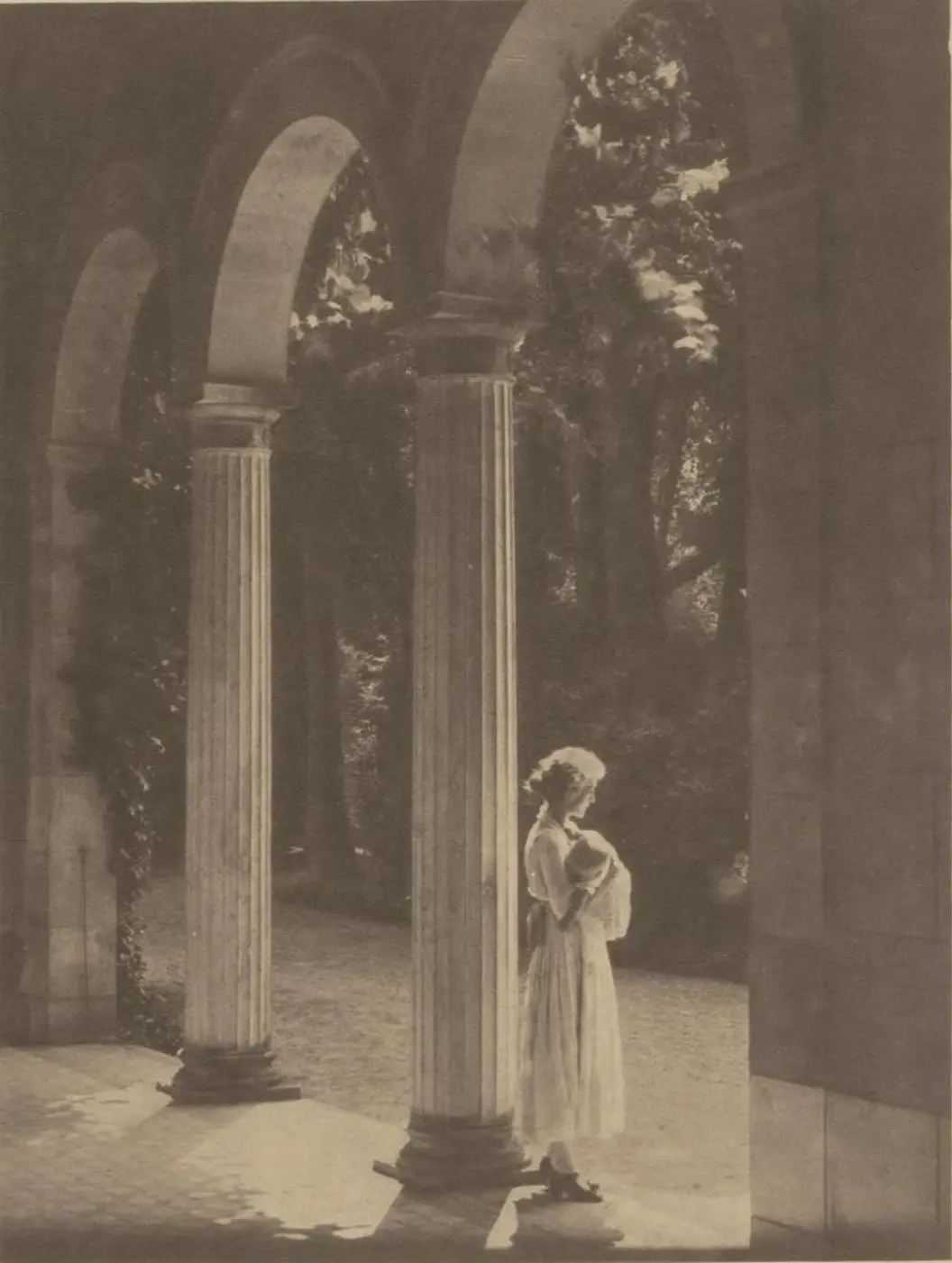
publicity
Comparing the cinematic DNA and archive impact of two defining moments in cult history.
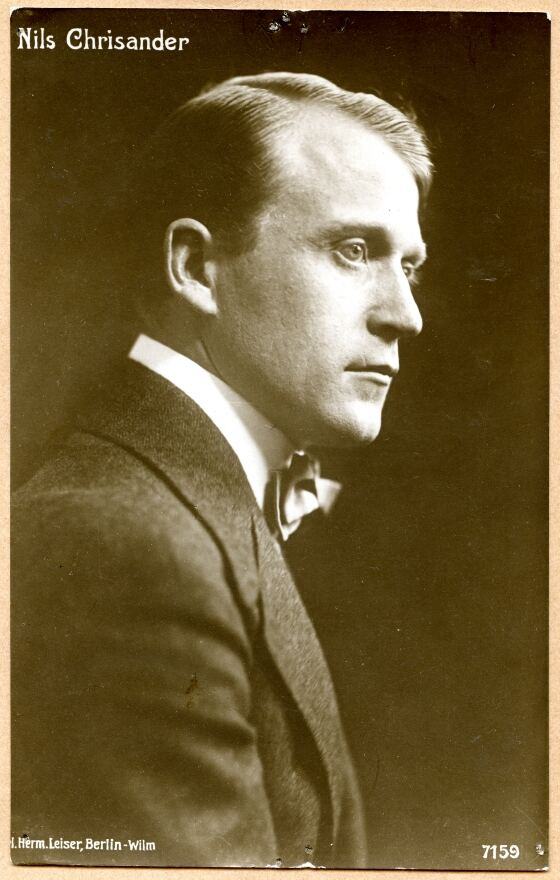
Nils Olaf Chrisander
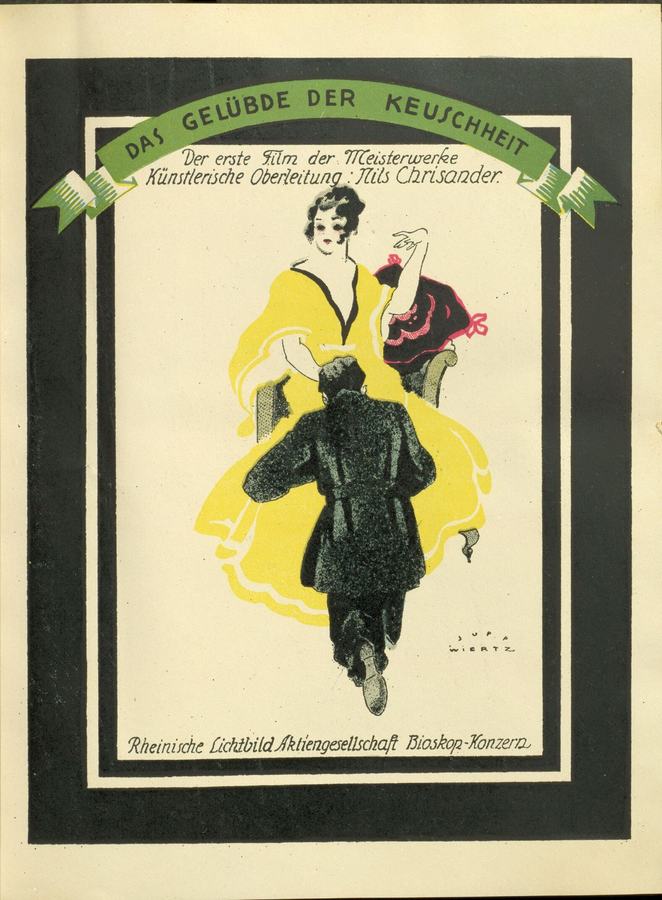
Nils Olaf Chrisander
Community
Log in to comment.
" To witness Die weißen Rosen von Ravensberg is to step into a temporal rift, a flickering window into the burgeoning sophistication of 1919 German cinema. Directed by the polymathic Nils Olaf Chrisander, who also lent his hand to the screenplay and took a prominent role before the lens, this film represents a pivotal moment where the theatricality of the Victorian stage began to dissolve into the nuanced shadows of cinematic expressionism. While many contemporary works were content with static ..."
Deep dive into the cult classic
Discover similar cinematic experiences
A Directorial Spotlight on Nils Olaf Chrisander