DbcultAccessing Vault...
Cult Review
Senior Film Conservator
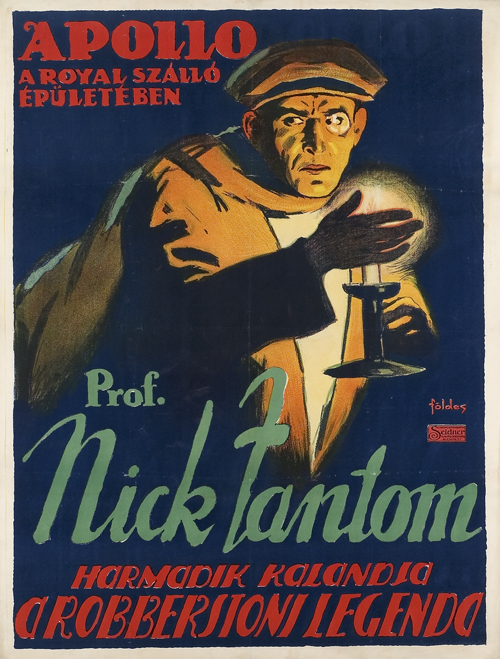
The year 1916 represents a pivotal intersection in the evolution of the moving image, a temporal space where the primitive theatricality of the early screen began to yield to the sophisticated visual syntax of the Stuart Webbs detective series. In Die Gespensteruhr, director Joe May orchestrates a symphony of shadows that predates the jagged geometry of German Expressionism while simultaneously refining the procedural tropes established by its predecessors like Sherlock Holmes. To witness this film in the modern era is to observe the very scaffolding of the mystery genre being erected, one frame at a time, within the confines of a gothic manor that feels more like a psychological state than a physical location.
The central conceit of the ghost clock—the Gespensteruhr—serves as a potent metaphor for the deterministic anxieties of the early 20th century. Unlike the whimsical enchantments found in a narrative like Cinderella, where time serves as a benevolent boundary for magic, time in May’s vision is a predatory force. The clock does not merely mark the passing of seconds; it punctuates the inevitability of doom. The screenplay, penned by William Kahn and Joe May, treats the mechanical device as a silent antagonist, a physical manifestation of a family curse that Stuart Webbs must deconstruct with the cold, surgical precision of the modern investigator.
Max Landa’s portrayal of Webbs is a fascinating study in restrained masculinity. At a time when screen acting often leaned toward the histrionic, Landa offers a performance of stillness and observation. He is the secular priest of logic, entering a world governed by superstition and irrationality. His presence provides a necessary counterweight to the atmospheric dread, much like the grounded reality found in The Murdoch Trial, where the search for truth must pierce through layers of social artifice and deception.
Mia May, the director’s muse and spouse, brings an operatic depth to the screen that elevates the film beyond a simple genre exercise. Her performance captures a specific brand of Edwardian melancholy, a sense of being trapped within the rigid structures of class and heritage. In the scenes where she confronts the spectral manifestations of the clock, her face becomes a canvas for the existential terror that would later be explored in The Shadow of a Doubt. There is a palpable weight to her presence, a gravitas that suggests the stakes are far higher than mere physical safety; it is the very soul of the lineage that hangs in the balance.
The chemistry between the cast, including Heinrich Peer and Aenderly Lebius, creates a claustrophobic ensemble dynamic. Every gaze is heavy with suspicion, and every movement is calculated. This tension is reminiscent of the moral entanglements seen in The Moral Fabric, where the external mystery serves as a catalyst for the internal collapse of the characters' ethical foundations. Joe May utilizes the spatial limitations of the set to enhance this feeling of entrapment, using doorways and windows as frames within frames, a technique that forces the viewer to share the characters' myopia.
The visual palette of Die Gespensteruhr is a masterclass in the use of low-key lighting. The shadows are not merely the absence of light; they are active participants in the narrative. They pool in the corners of the great hall, they stretch across the faces of the suspects, and they obscure the mechanisms of the clock itself. This interplay of light and dark creates a sense of environmental hostility similar to the murky depths of The Secret of the Swamp. It is a world where the sun never truly rises, and the flickering candlelight only serves to highlight the vastness of the surrounding gloom.
May’s direction exhibits a burgeoning understanding of the power of the close-up. By isolating the clock’s face or Webbs’ calculating eyes, he directs the audience’s attention with a confidence that was rare for the mid-1910s. This focus on detail mirrors the investigative process itself—the act of looking closer at the mundane until it reveals its hidden, often horrifying, truth. This stylistic choice aligns the film with the analytical rigor of Where Is Coletti?, another cornerstone of early German crime cinema that prioritized the intellectual over the purely sensational.
One of the most compelling aspects of the film is its flirtation with the occult. For much of its runtime, Die Gespensteruhr teeters on the edge of a supernatural horror film. The atmosphere is thick with the scent of the séance and the rustle of invisible silks. This tonal ambiguity is what makes the eventual rationalization so impactful. Like the thematic tension in Paradise Lost, the film explores the fall from a state of mystical belief into the harsh light of material reality. The resolution of the mystery does not dissipate the horror; rather, it shifts the source of that horror from the spectral to the human.
The villainy in Die Gespensteruhr is rooted in the very real and very modern vices of greed and obsession. This transition from the ghostly to the criminal reflects a broader societal shift toward secularism and the scientific method. The film suggests that the truly frightening things in this world are not the spirits of the dead, but the calculated cruelties of the living. This sentiment is echoed in the dark undercurrents of The Suspect, where the veneer of respectability hides a core of moral rot.
The production design of the film deserves significant accolades. The manor is a character in its own right—a sprawling, labyrinthine structure filled with secret passages, heavy drapery, and, of course, the ubiquitous clocks. The set design emphasizes verticality and depth, creating a sense of scale that dwarfs the human actors. This use of architecture to mirror the psychological state of the inhabitants is a precursor to the stylized environments of The Purple Lady, where color and space are used to heighten the emotional resonance of the plot.
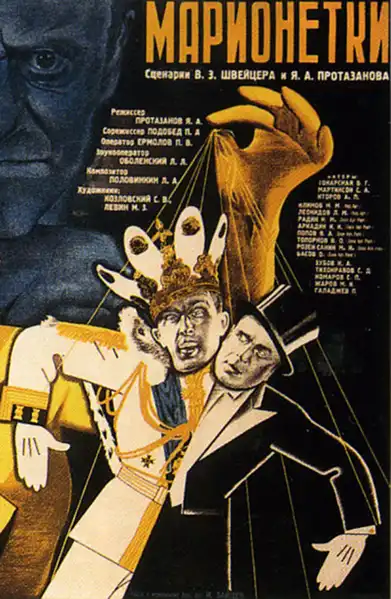
In Die Gespensteruhr, every room feels like a repository for secrets. The furniture is ornate and oppressive, the walls are covered in portraits of stern ancestors whose eyes seem to follow the living, and the air feels heavy with the dust of centuries. This setting provides the perfect playground for a detective like Webbs, who must literally and figuratively peel back the layers of history to find the truth. It is a process of unearthing, much like the thematic excavations found in Scotland or the historical reconstructions of The Life of General Villa.
To understand the impact of Die Gespensteruhr, one must recognize the cultural phenomenon of the Stuart Webbs character. For German audiences of the time, Webbs was the definitive detective, a figure who combined the deductive brilliance of British counterparts with a uniquely Continental sensibility. The success of this film solidified Joe May’s reputation as a master of the commercial thriller, a director who could marry artistic ambition with popular appeal. The film’s influence can be seen in the subsequent decade of German cinema, where the mystery genre became a vehicle for exploring the anxieties of the post-war era.
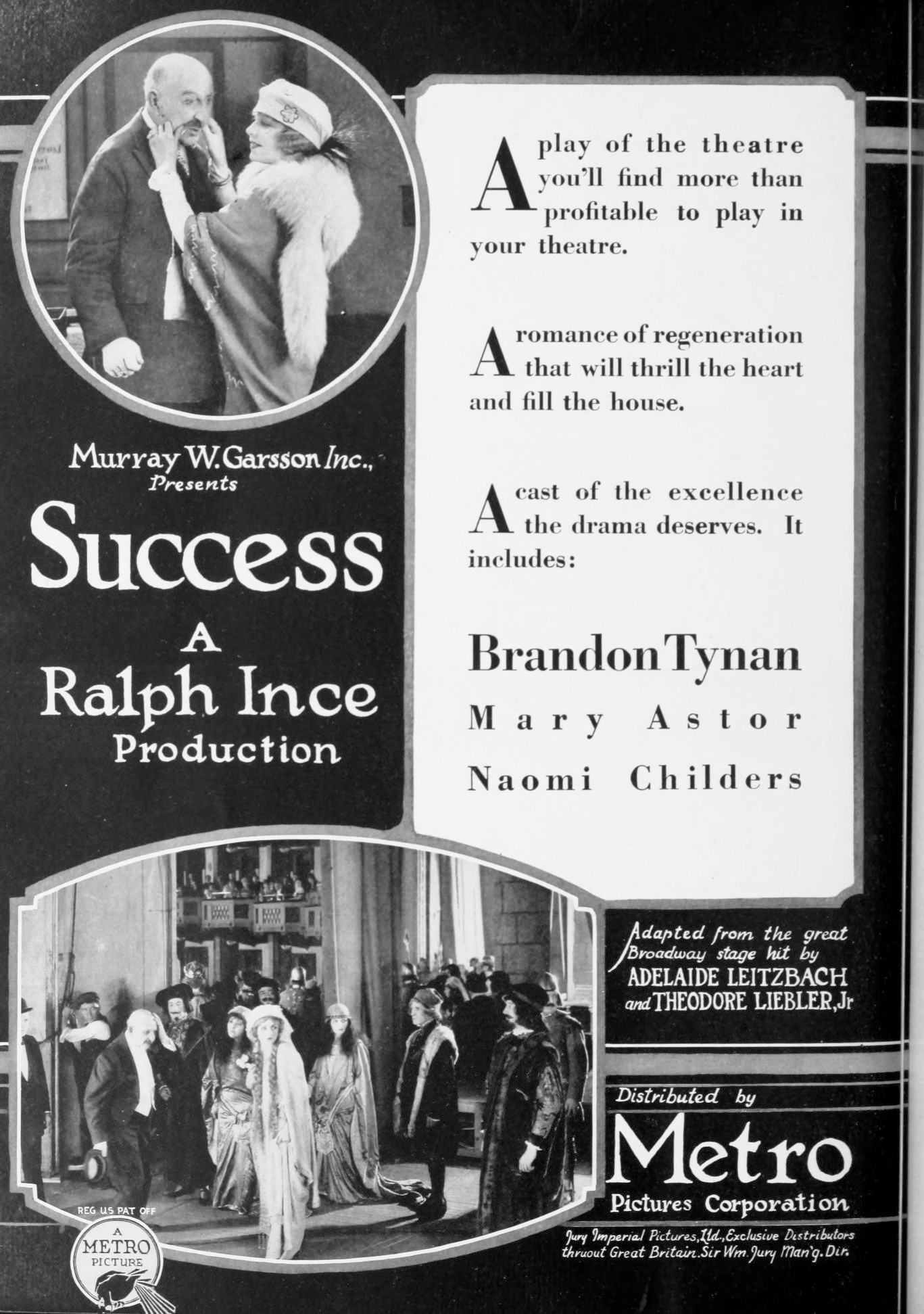
The film also highlights the importance of collaboration in the early studio system. The partnership between Joe and Mia May was one of the most productive in cinema history, creating a body of work that ranged from epic adventures to intimate dramas. Their shared vision for Die Gespensteruhr ensures that the film remains cohesive despite its complex plot. It possesses a singular focus that is often lacking in other contemporary productions like Stop Thief! or the more domestic-focused The Old Folks at Home.
Ultimately, Die Gespensteruhr is a testament to the enduring power of the silent screen. Without the benefit of spoken dialogue, May communicates a complex narrative of familial betrayal and technological terror through pure visual storytelling. The rhythmic editing, the evocative lighting, and the nuanced performances all work in concert to create an experience that is as intellectually stimulating as it is atmospherically rich. It finds a common ground between the high-art aspirations of the burgeoning avant-garde and the populist requirements of the nickelodeon.
As the final gears of the ghost clock click into place and the mystery is laid bare, the viewer is left with a profound sense of the transformative power of the camera. Joe May did not just film a story; he constructed a world—a world where time is a weapon, where shadows have voices, and where the detective is the only lighthouse in a sea of encroaching darkness. Die Gespensteruhr remains a vital piece of cinematic history, a haunting reminder that even in the infancy of the medium, directors were already mastering the art of the psychological thrill. It is a ticking heart of a film, one that continues to beat with an unsettling, hypnotic regularity more than a century after its inception.
IMDb 7.1
1916
Community
Log in to comment.