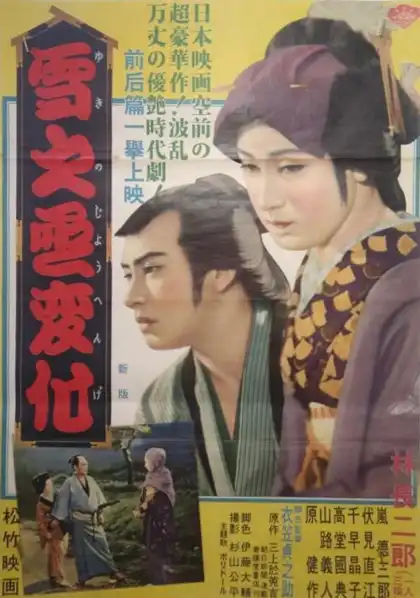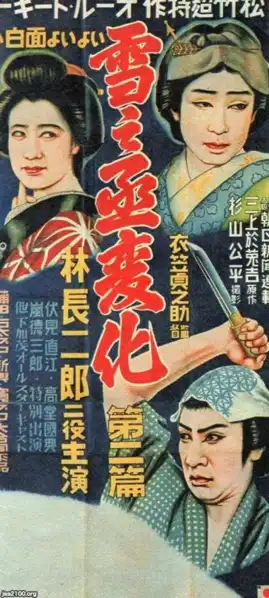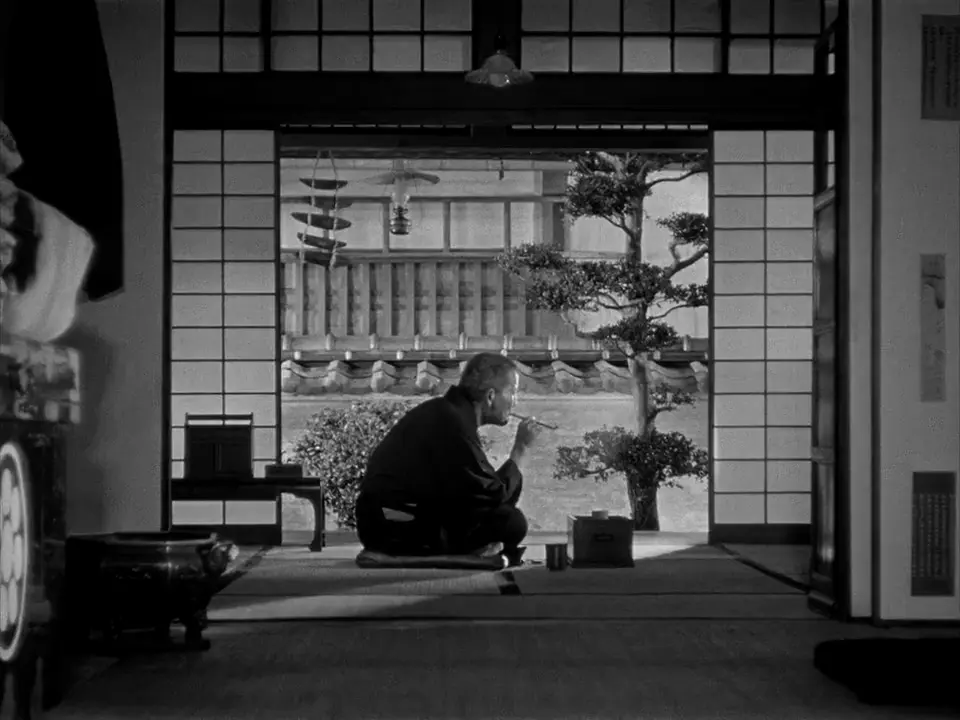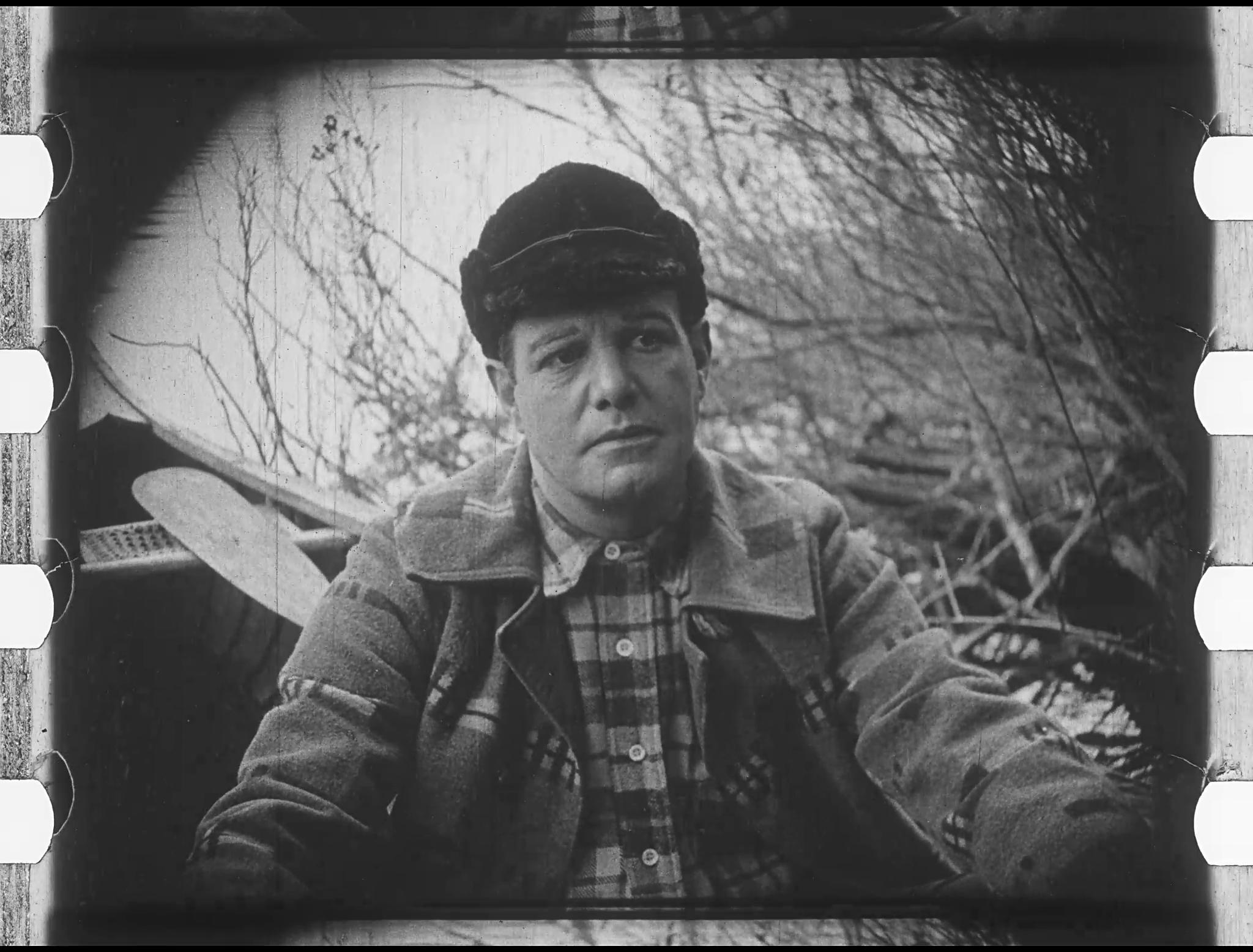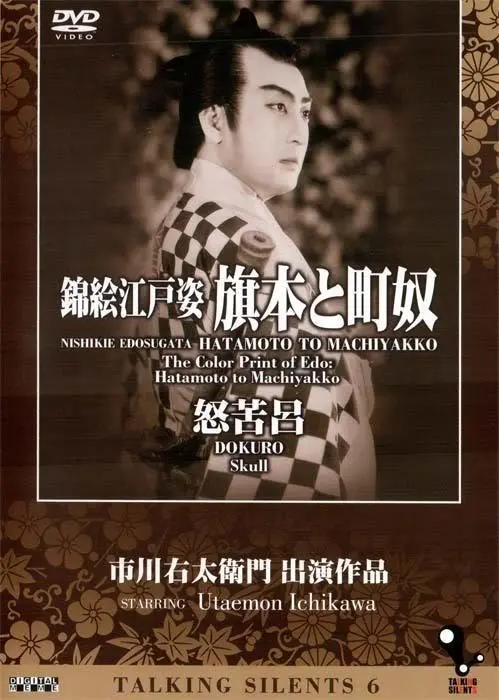
A rare film which depicts the tragic fate of a Christian lord who fought for his fate in the Edo period. Of note is Utaemon Ichikawa's extraordinary memorable final scenes in which he takes on his enemy with a gash in his forehead and a wild, unkempt mane.
Is Dokuro worth watching today? Short answer: yes, but with significant caveats that demand a particular kind of viewer. This isn't a film designed for casual consumption; it’s a demanding, historically significant piece of early Japanese cinema that rewards patience and an appreciation for raw, unfiltered performance....
Comparing the cinematic DNA and archive impact of two defining moments in cult history.
Sentarō Shirai
Maurice Elvey
Community
Log in to comment.
"Dokuro" plunges viewers into the twilight years of Japan's Edo period, chronicling the harrowing, doomed struggle of a Christian lord defiant in the face of insurmountable persecution. This rare cinematic artifact is less a detached historical recounting and more a visceral testament to a man’s final, desperate stand against an oppressive regime. The narrative culminates in an unforgettable, almost mythic confrontation, where Utaemon Ichikawa, in a performance of raw, untamed intensity, embodies the lord’s final moments—a figure disheveled, wild-maned, and bearing a stark gash on his forehead, battling with an almost primal ferocity against his relentless adversaries. It’s a stark, unyielding portrayal of faith, fate, and the brutal cost of conviction.
"Is Dokuro worth watching today? Short answer: yes, but with significant caveats that demand a particular kind of viewer. This isn't a film designed for casual consumption; it’s a demanding, historically significant piece of early Japanese cinema that rewards patience and an appreciation for raw, unfiltered performance. This film is unequivocally for cinephiles, historians, and those fascinated by the foundational blocks of cinematic storytelling. It is emphatically NOT for audiences seeking mode..."
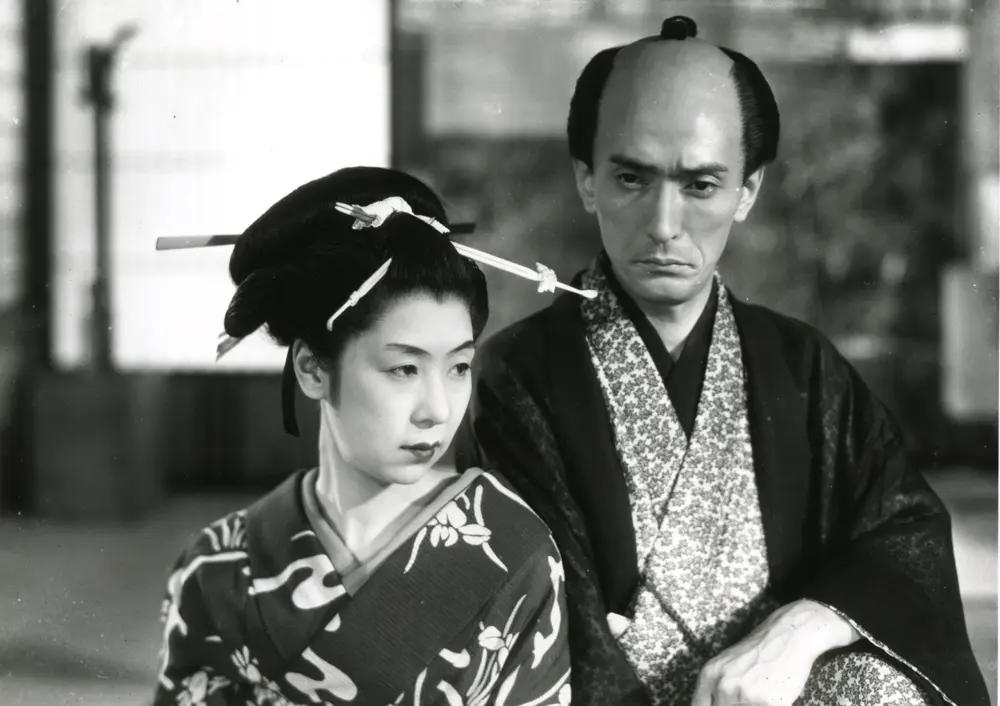
Utaemon Ichikawa
Japan