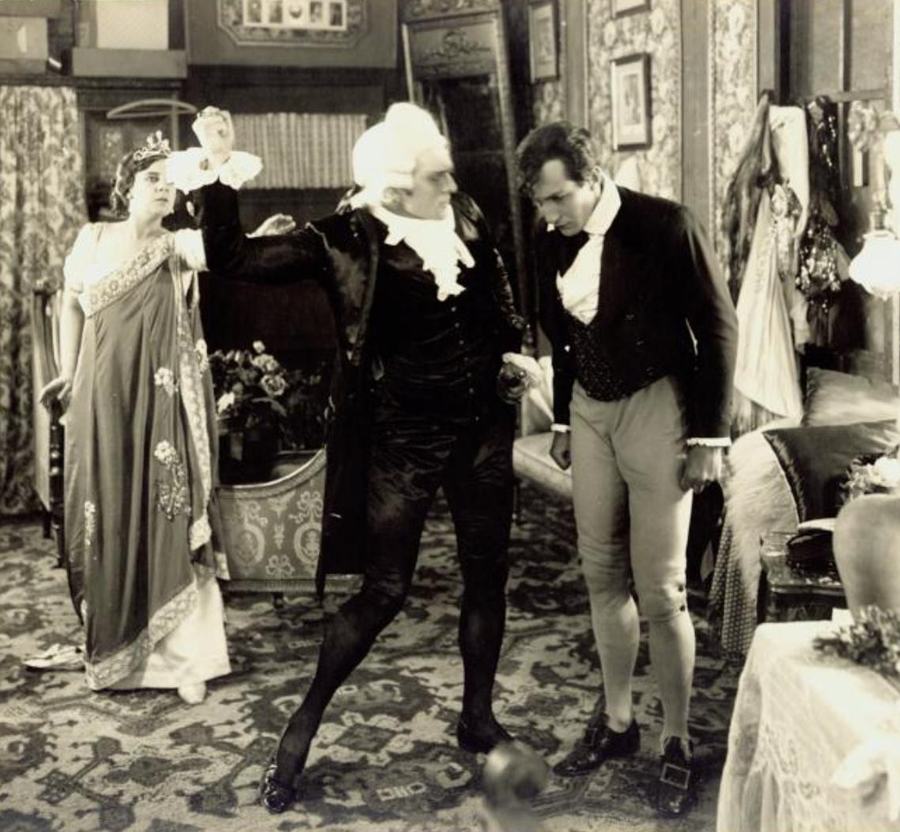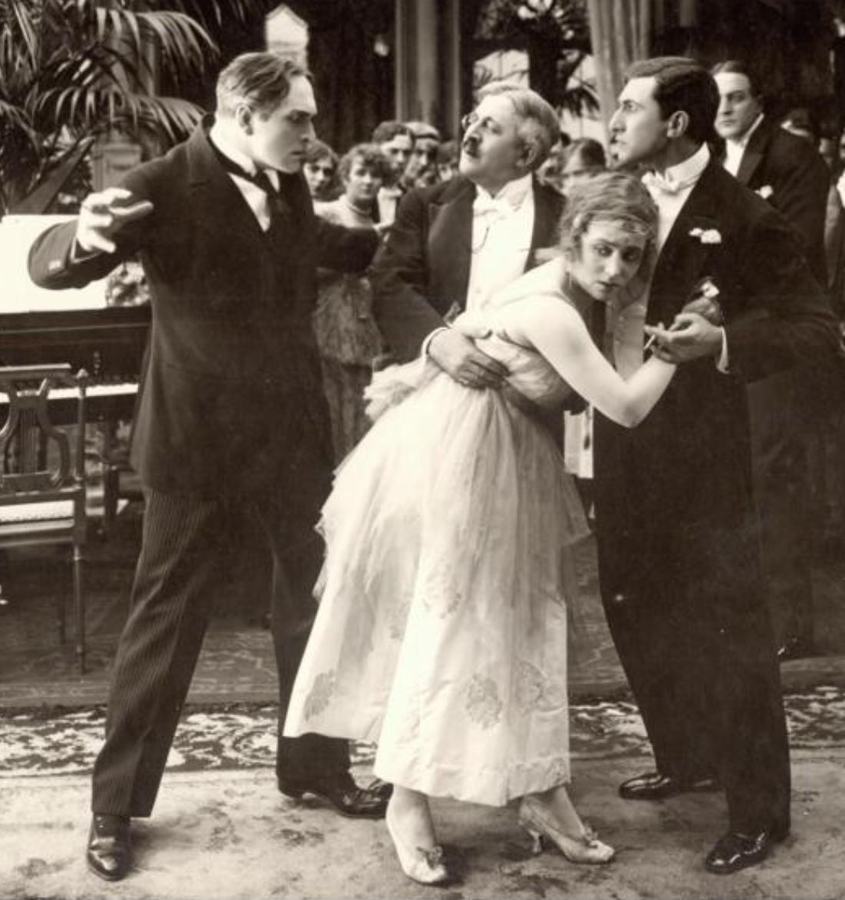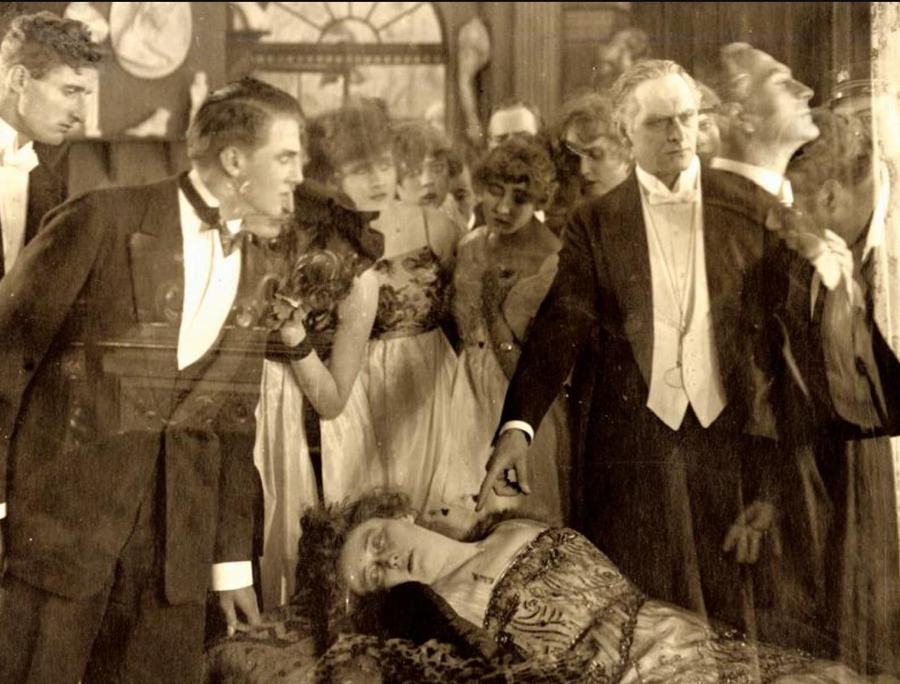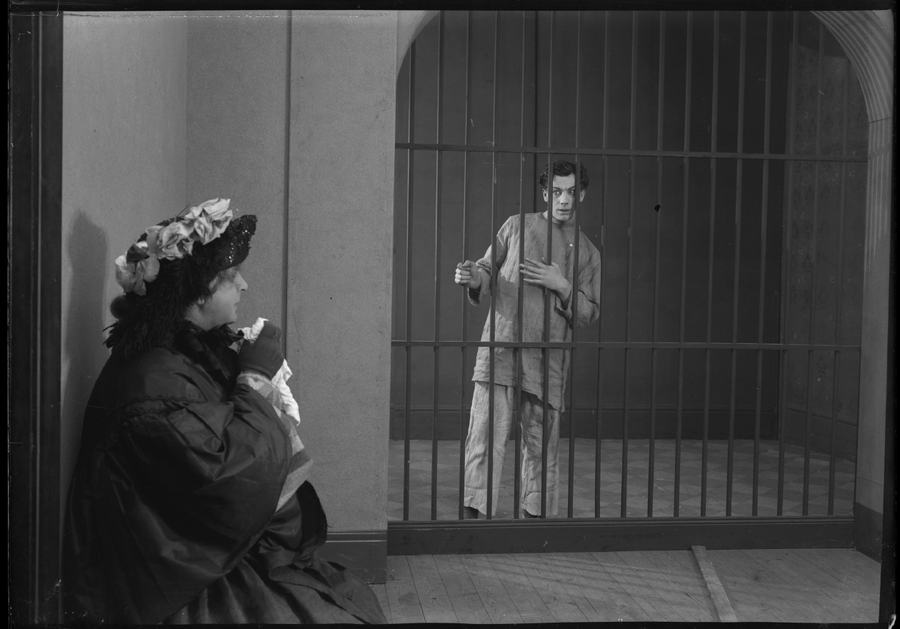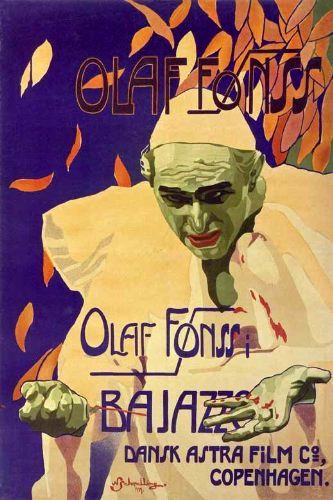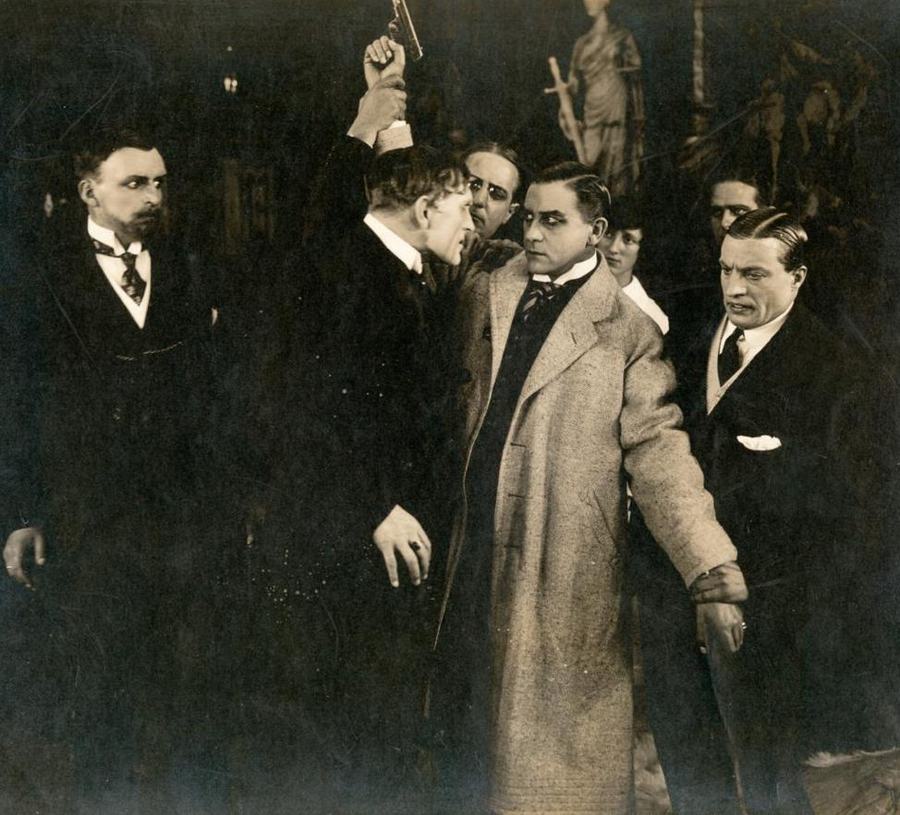
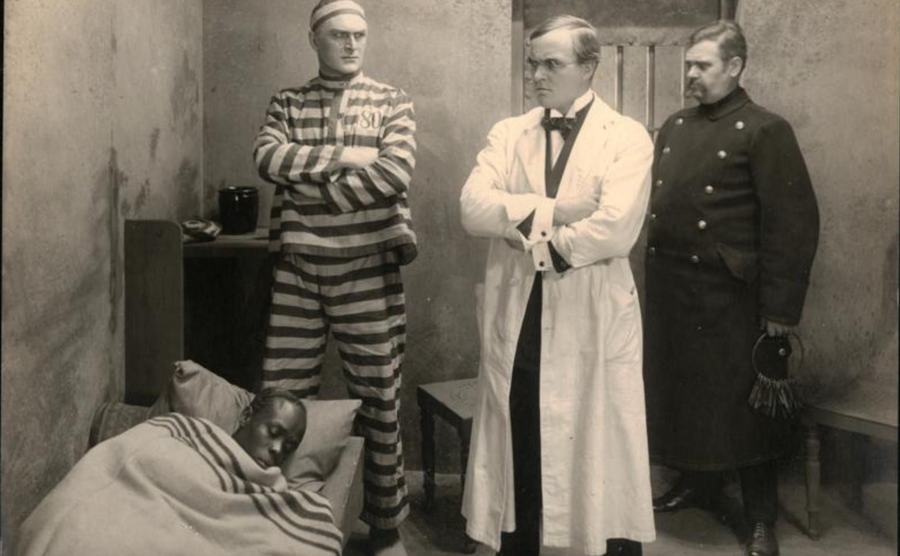
Michael von Straeten is an unscrupulous financier whose harshness and cynicism have earned him the nickname 'The Tiger'. He destroys his enemies with no mercy and no regrets, watching calmly when his victims come close to starving to death.
Fritz Magnussen
Denmark
The first time Michael von Straeten’s silhouette eclipses the frame, you feel the temperature drop. Aage Hertel doesn’t merely play the role—he weaponizes stillness, letting the corners of his mouth twitch like a ledger balanced to the last cent of cruelty. Danish silent cinema has always flirted with moral chiaroscu...
still_frame
Comparing the cinematic DNA and archive impact of two defining moments in cult history.
Fritz Magnussen
Fritz Magnussen
Community
Log in to comment.
" The first time Michael von Straeten’s silhouette eclipses the frame, you feel the temperature drop. Aage Hertel doesn’t merely play the role—he weaponizes stillness, letting the corners of his mouth twitch like a ledger balanced to the last cent of cruelty. Danish silent cinema has always flirted with moral chiaroscuro, yet in Dommens dag the darkness swallows the candle whole. Fritz Magnussen’s 1918 parable arrives like a frost-bitten letter from an alternate history where Wall Street titans ..."