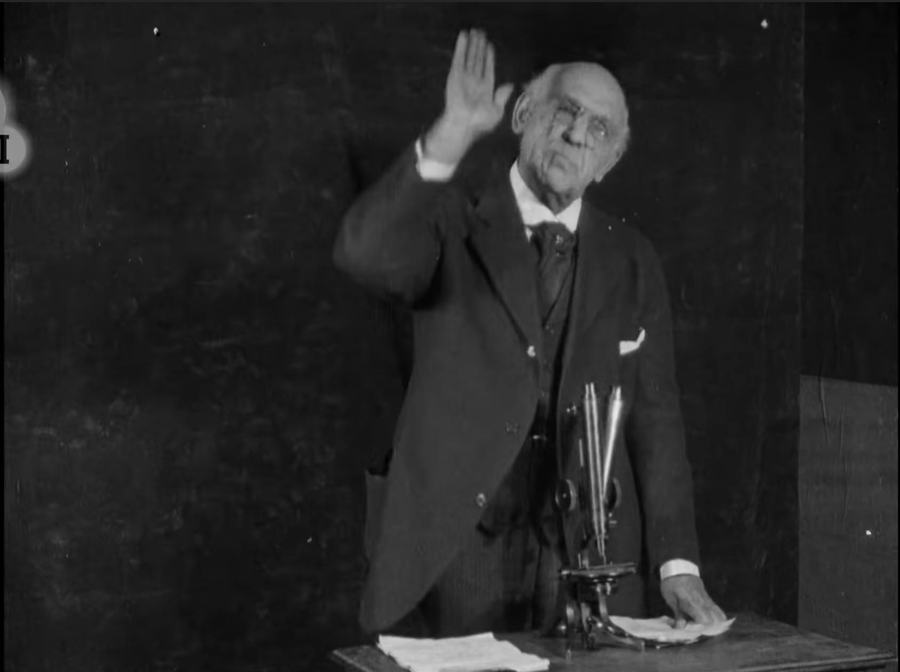
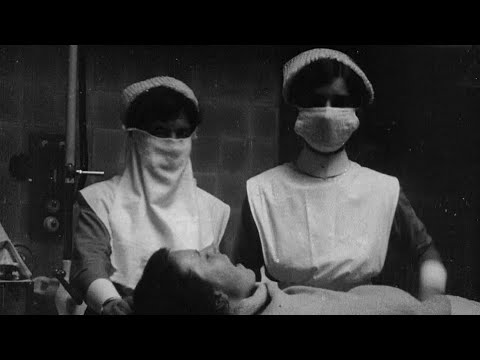
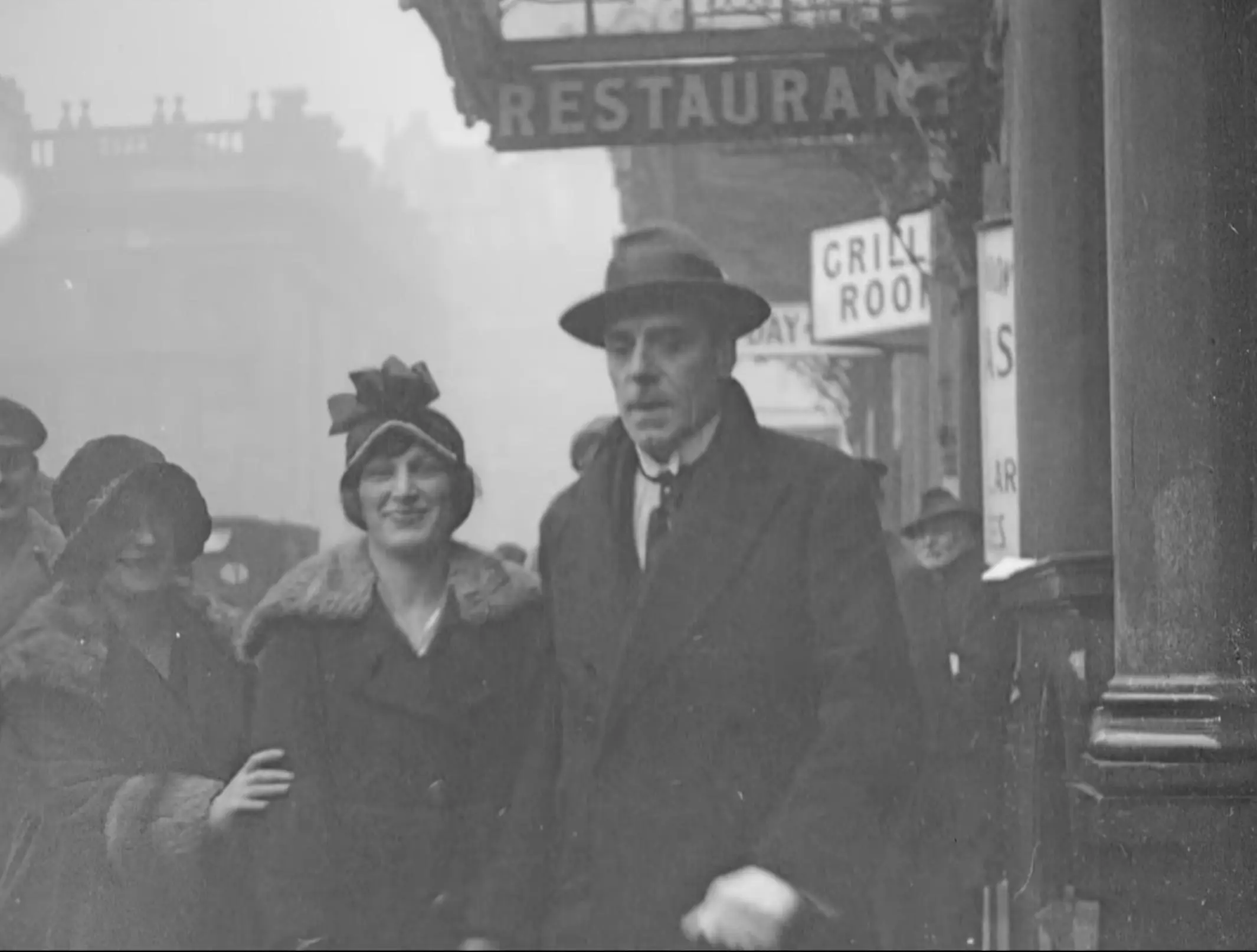
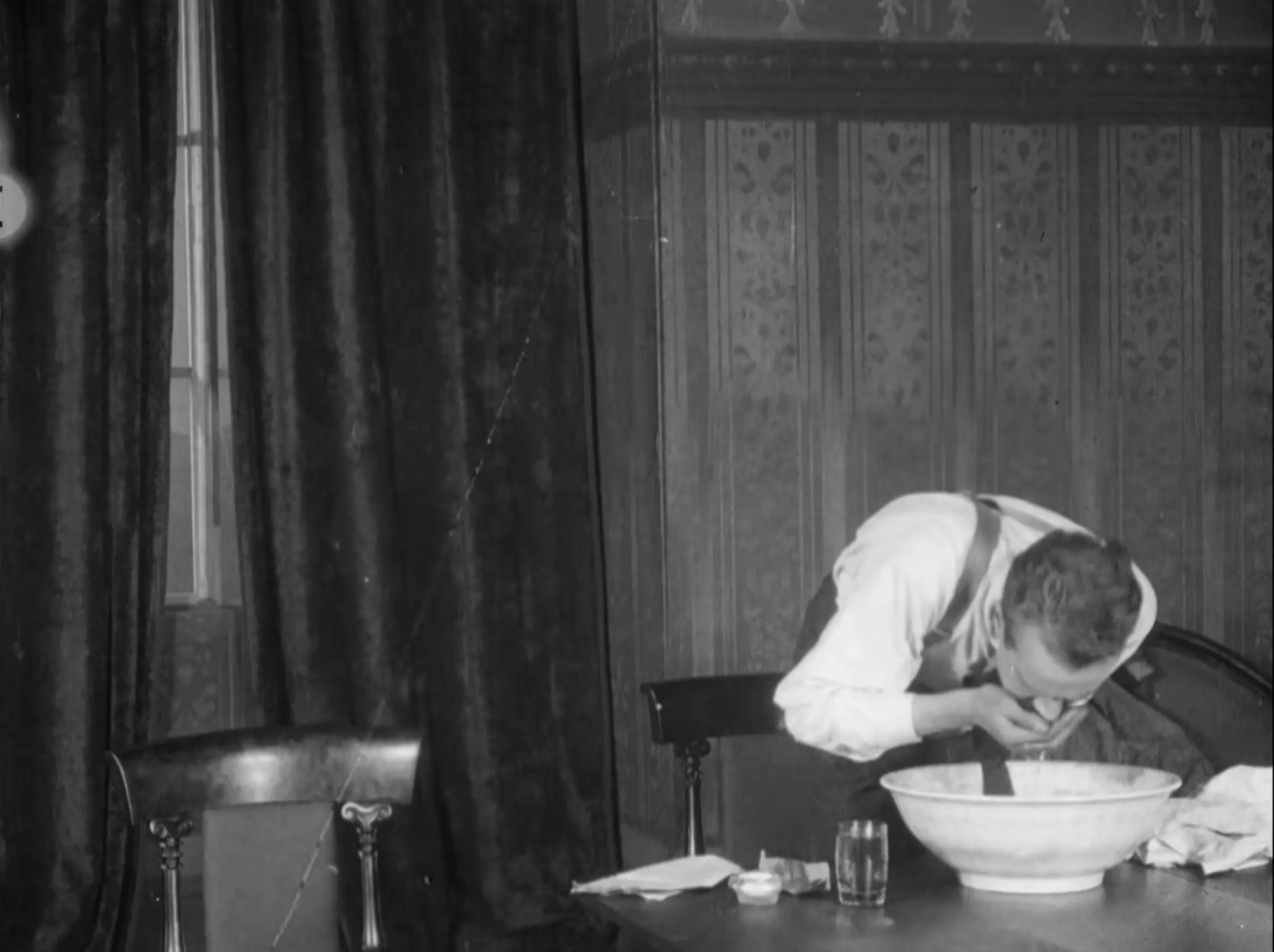
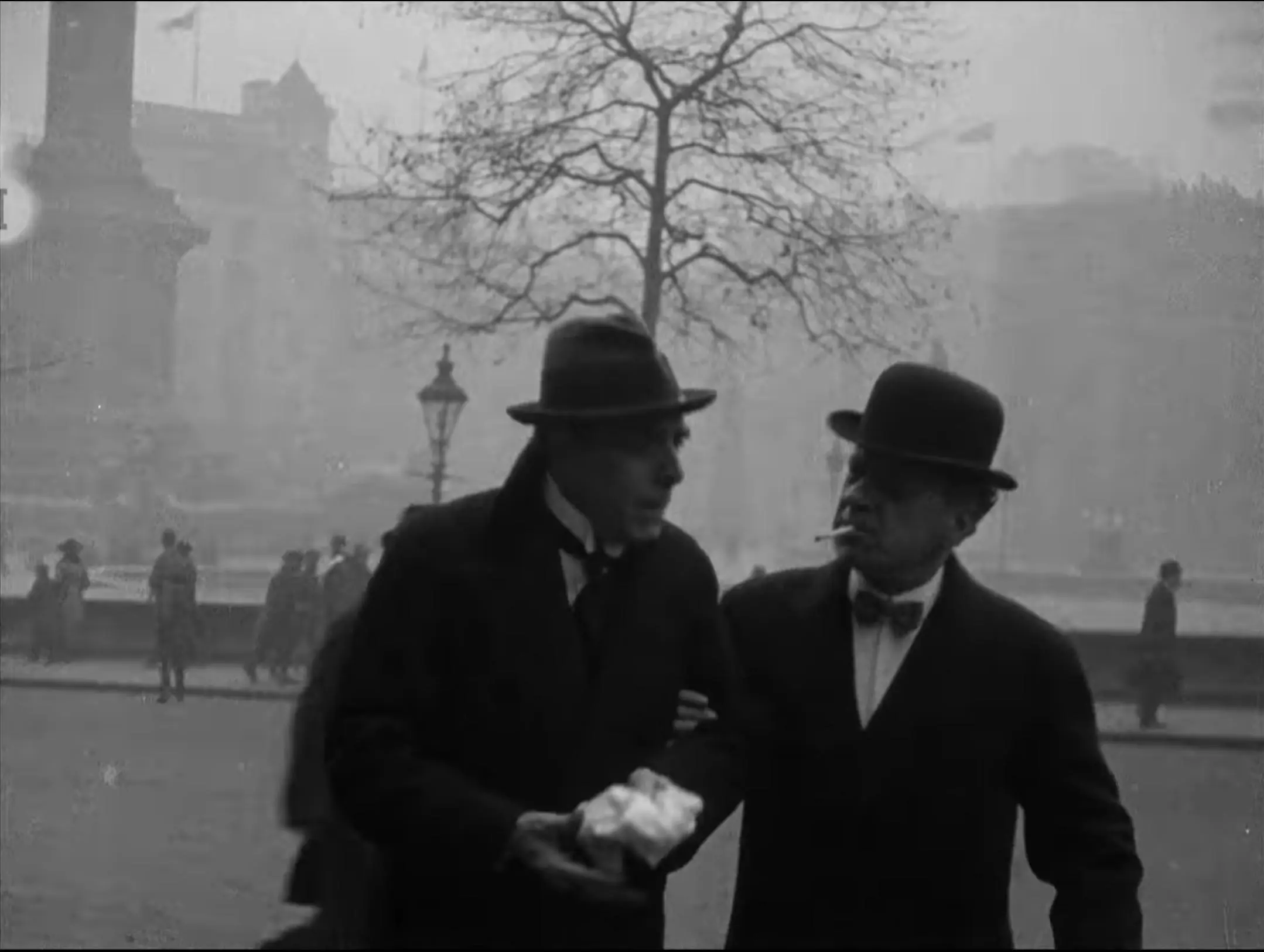
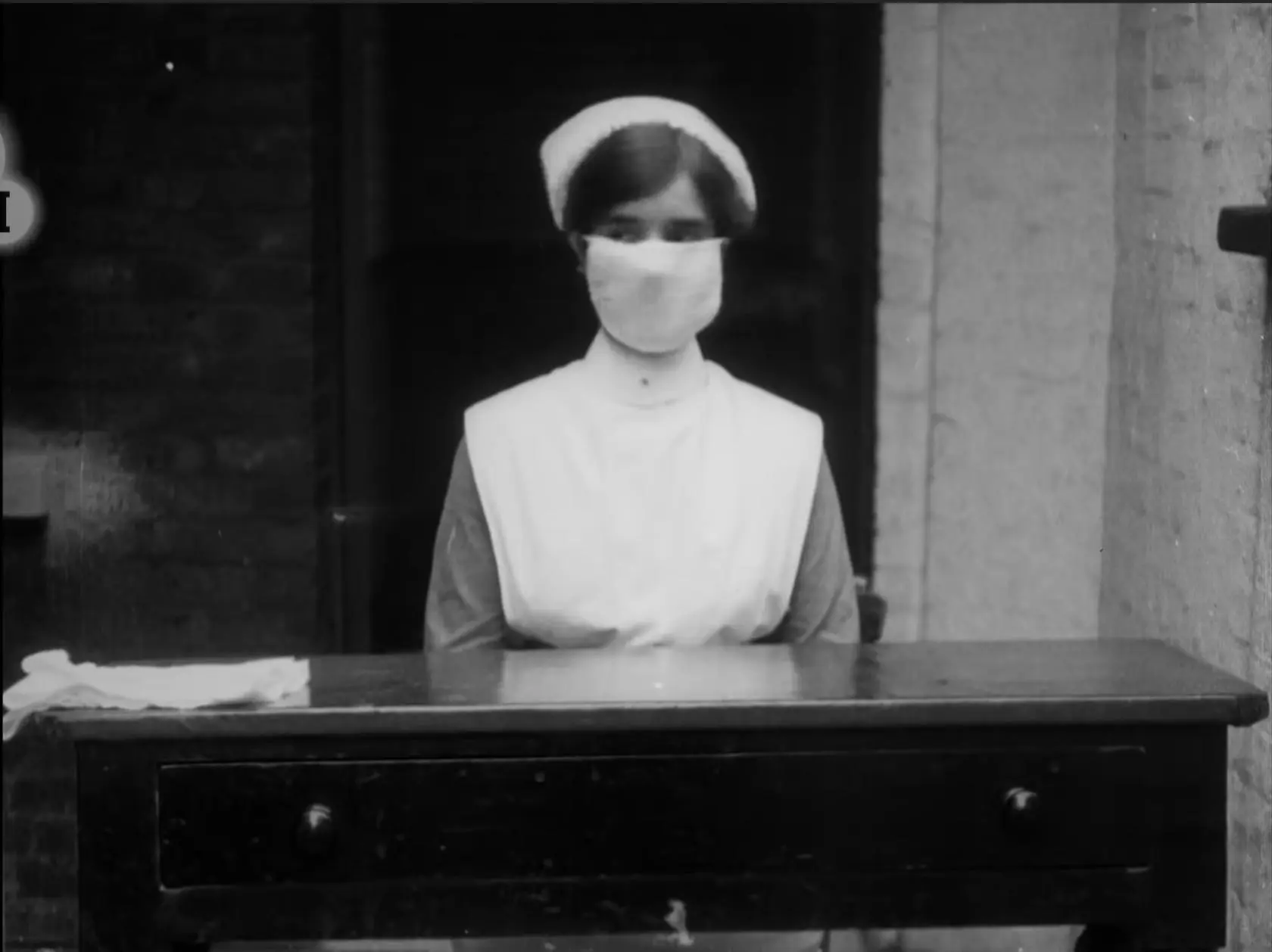
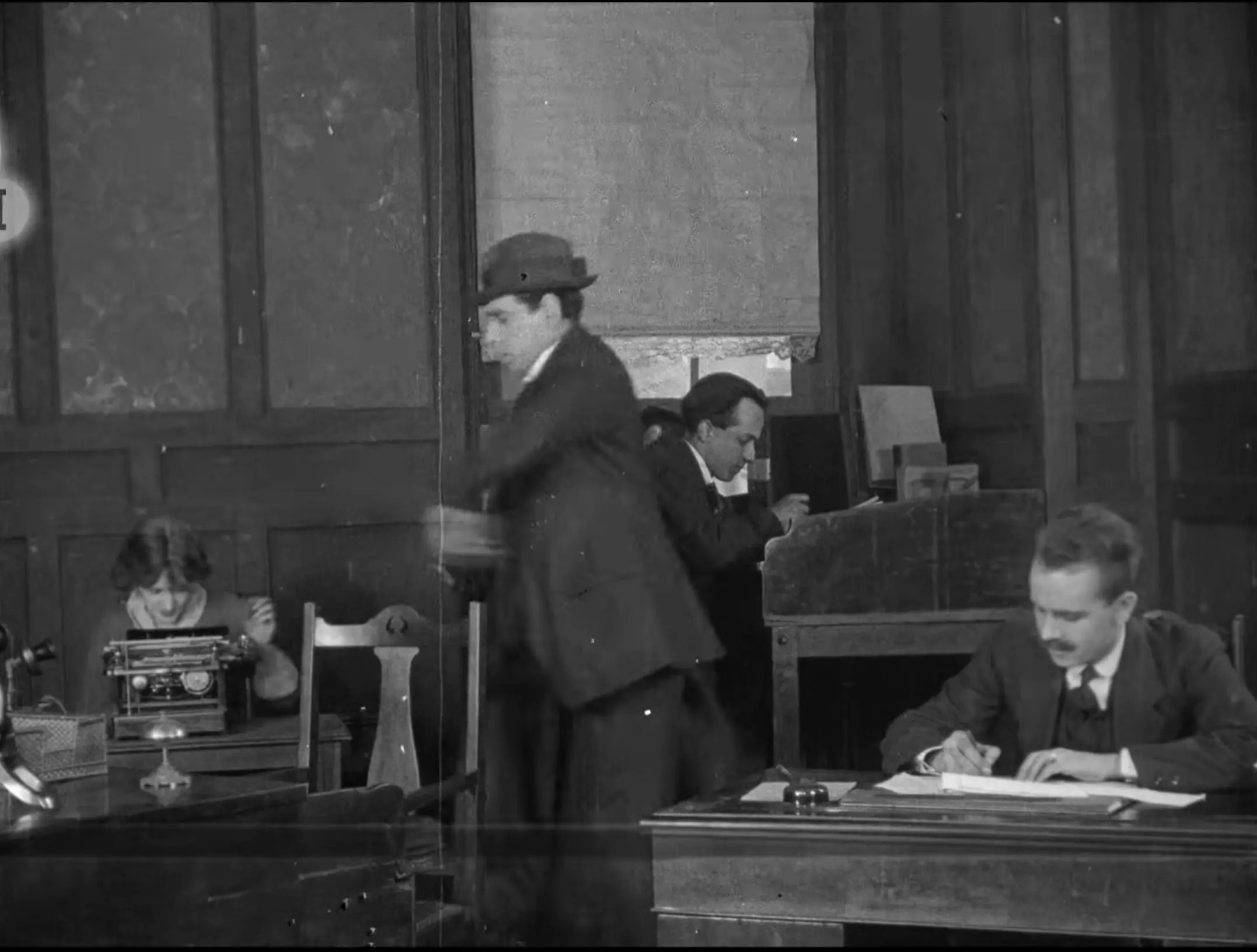
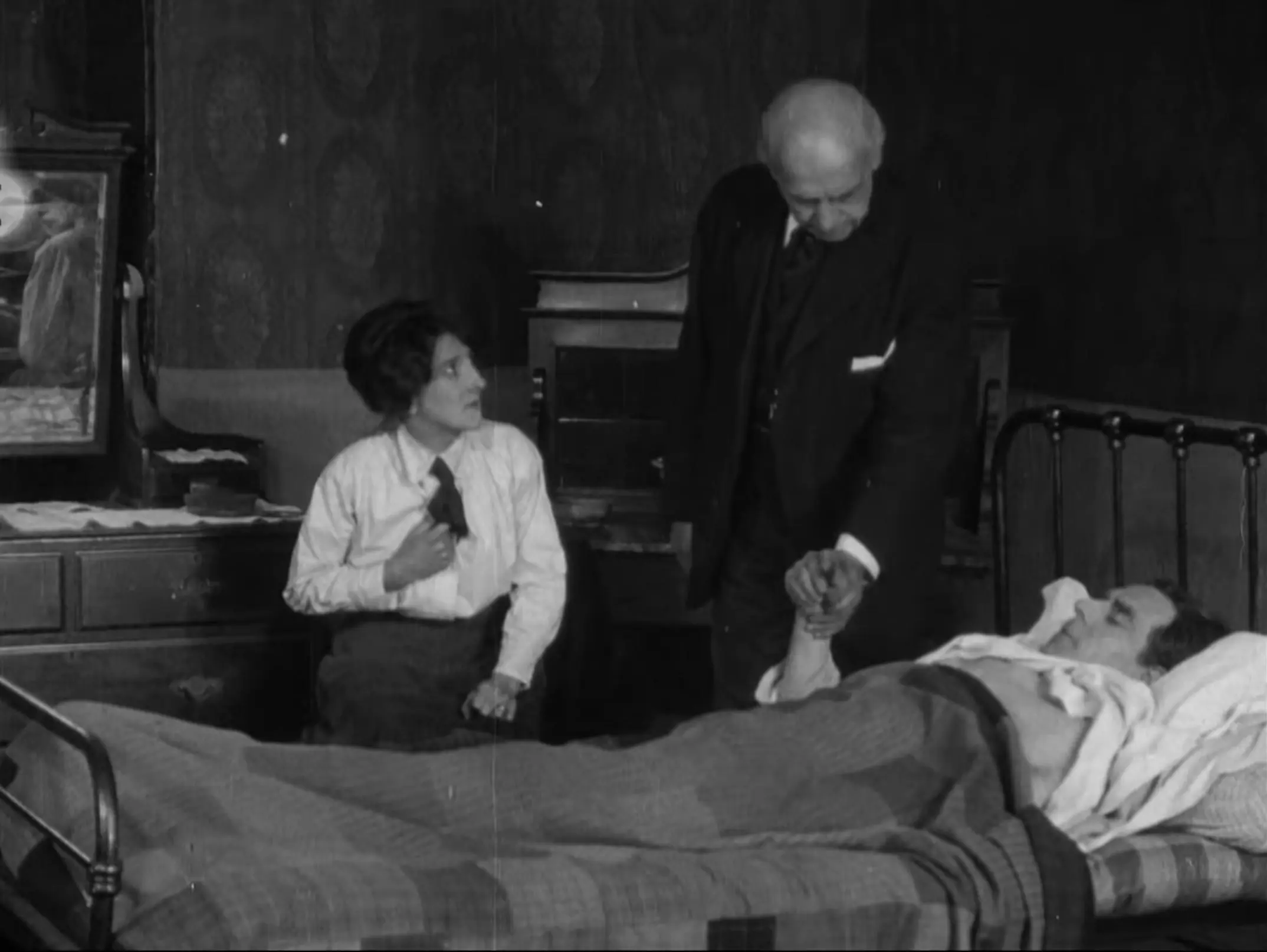
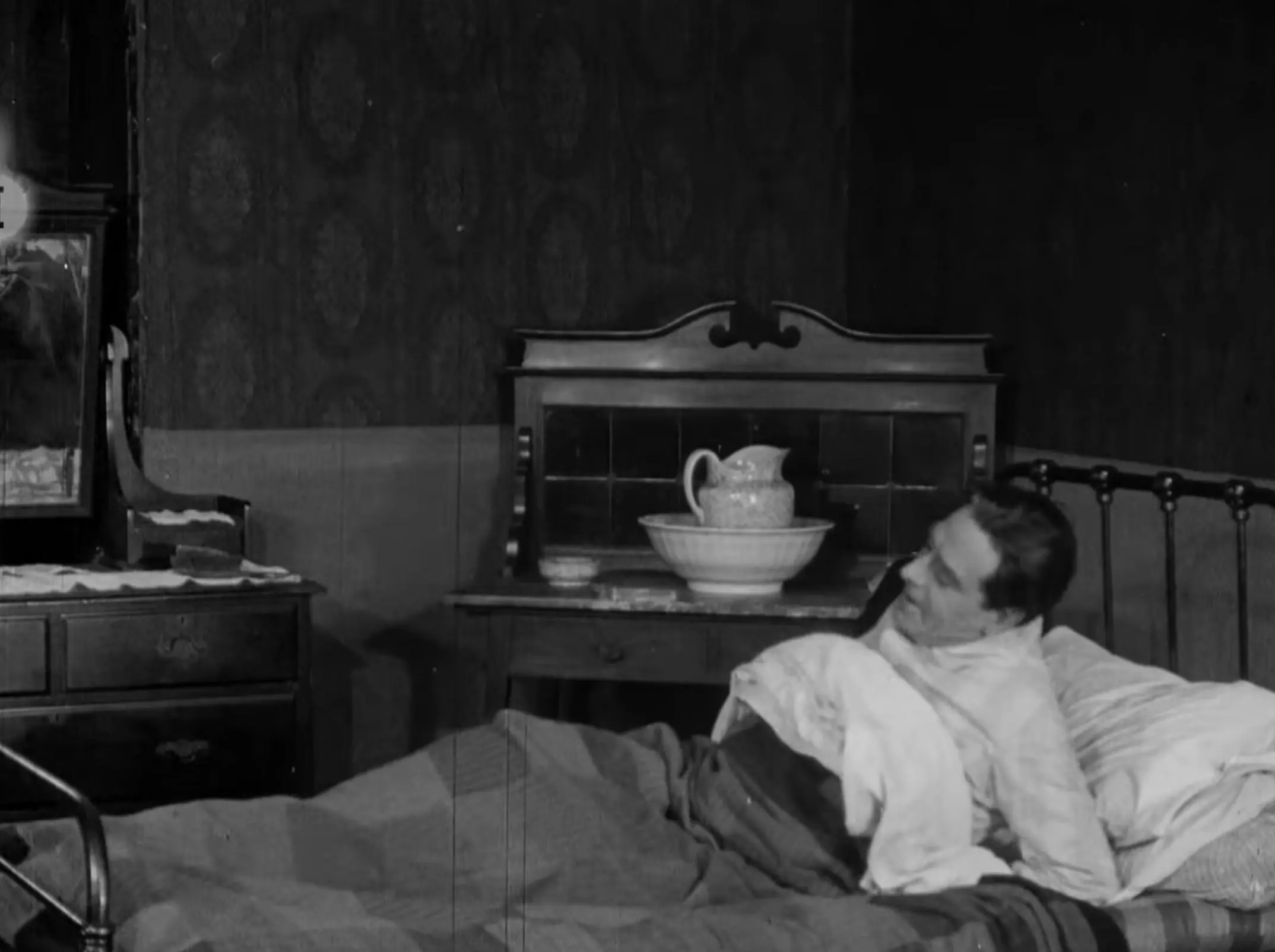
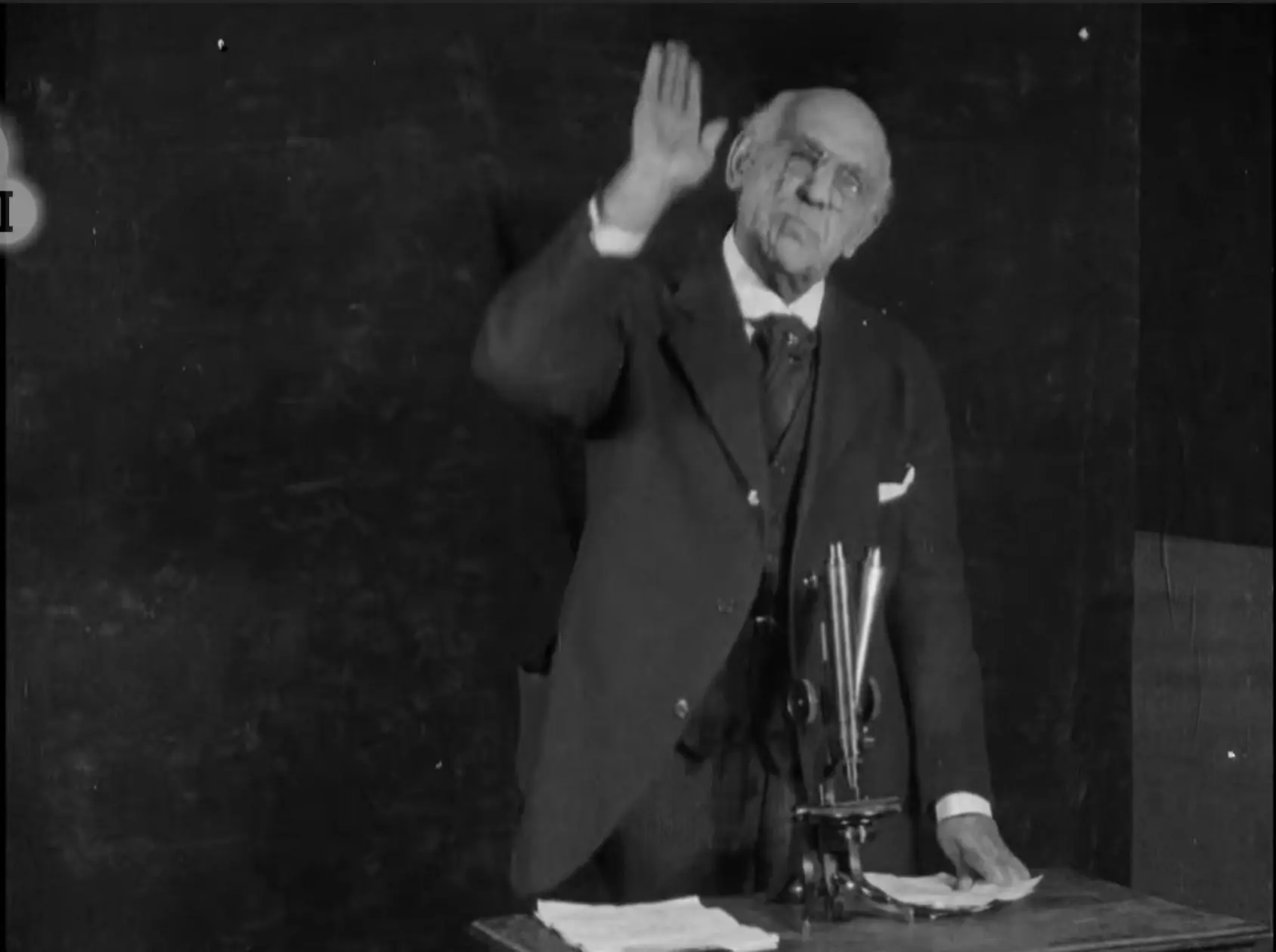
Dr Wise is here to advise. As Britain fell under the grip of the Great Influenza of 1918-19, the Local Government Board (later the Ministry of Health) commissioned this dramatized public information film.
United Kingdom
The 1918 British public‑information short, Dr. Wise on Influenza, occupies a singular niche in cinematic and medical history. Commissioned by the Local Government Board—a body that would soon evolve into the Ministry of Health—the film was conceived as a visual inoculation against the pandemic that claimed an estima...
Comparing the cinematic DNA and archive impact of two defining moments in cult history.
Unknown Director
Unknown Director
Community
Log in to comment.
" The 1918 British public‑information short, Dr. Wise on Influenza, occupies a singular niche in cinematic and medical history. Commissioned by the Local Government Board—a body that would soon evolve into the Ministry of Health—the film was conceived as a visual inoculation against the pandemic that claimed an estimated 50 million lives worldwide. Its stark aesthetic, unadorned black‑and‑white cinematography, and didactic narration render it a time capsule of governmental urgency, while simult..."
still_frame
still_frame
still_frame
still_frame
still_frame
still_frame
still_frame
still_frame