DbcultAccessing Vault...
6.4/10
Senior Film Conservator
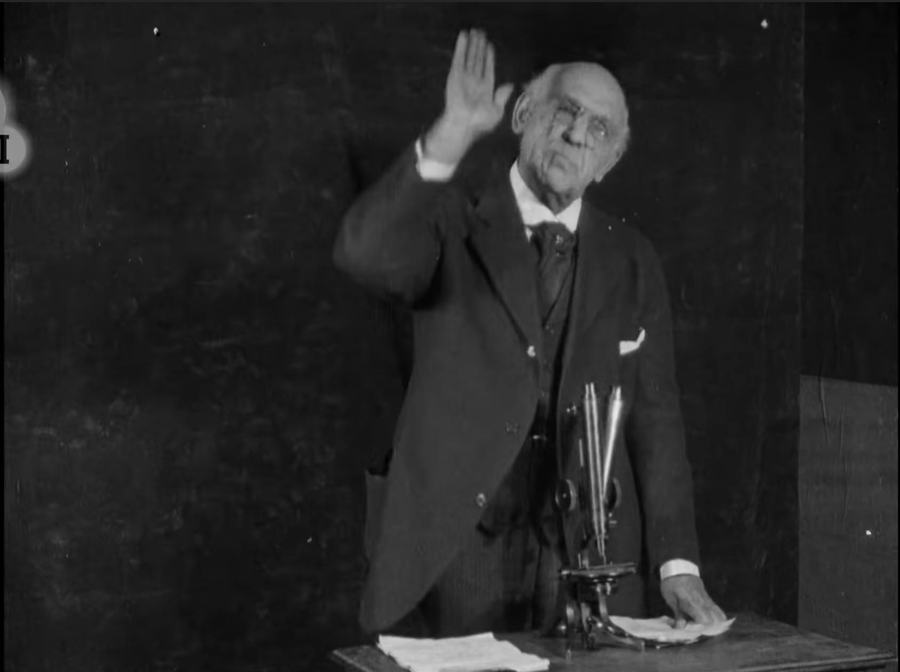
A definitive 6.4/10 rating for a film that redefined the boundaries of cult cinema. Dr. Wise on Influenza remains a cornerstone of transgressive art.
The 1918 British public‑information short, Dr. Wise on Influenza, occupies a singular niche in cinematic and medical history. Commissioned by the Local Government Board—a body that would soon evolve into the Ministry of Health—the film was conceived as a visual inoculation against the pandemic that claimed an estimated 50 million lives worldwide. Its stark aesthetic, unadorned black‑and‑white cinematography, and didactic narration render it a time capsule of governmental urgency, while simultaneously offering a masterclass in persuasive visual rhetoric.
From the opening tableau—a bustling railway platform shrouded in early‑morning mist—Dr. Wise, portrayed with a gravitas befitting a wartime physician, emerges as both narrator and moral arbiter. The camera lingers on a crowd of commuters, their faces a mosaic of fatigue and indifference, before cutting to a close‑up of Dr. Wise’s solemn visage. His voice, resonant and measured, cuts through the ambient clatter: "The influenza virus respects no rank, no station; it is a democrat of death."
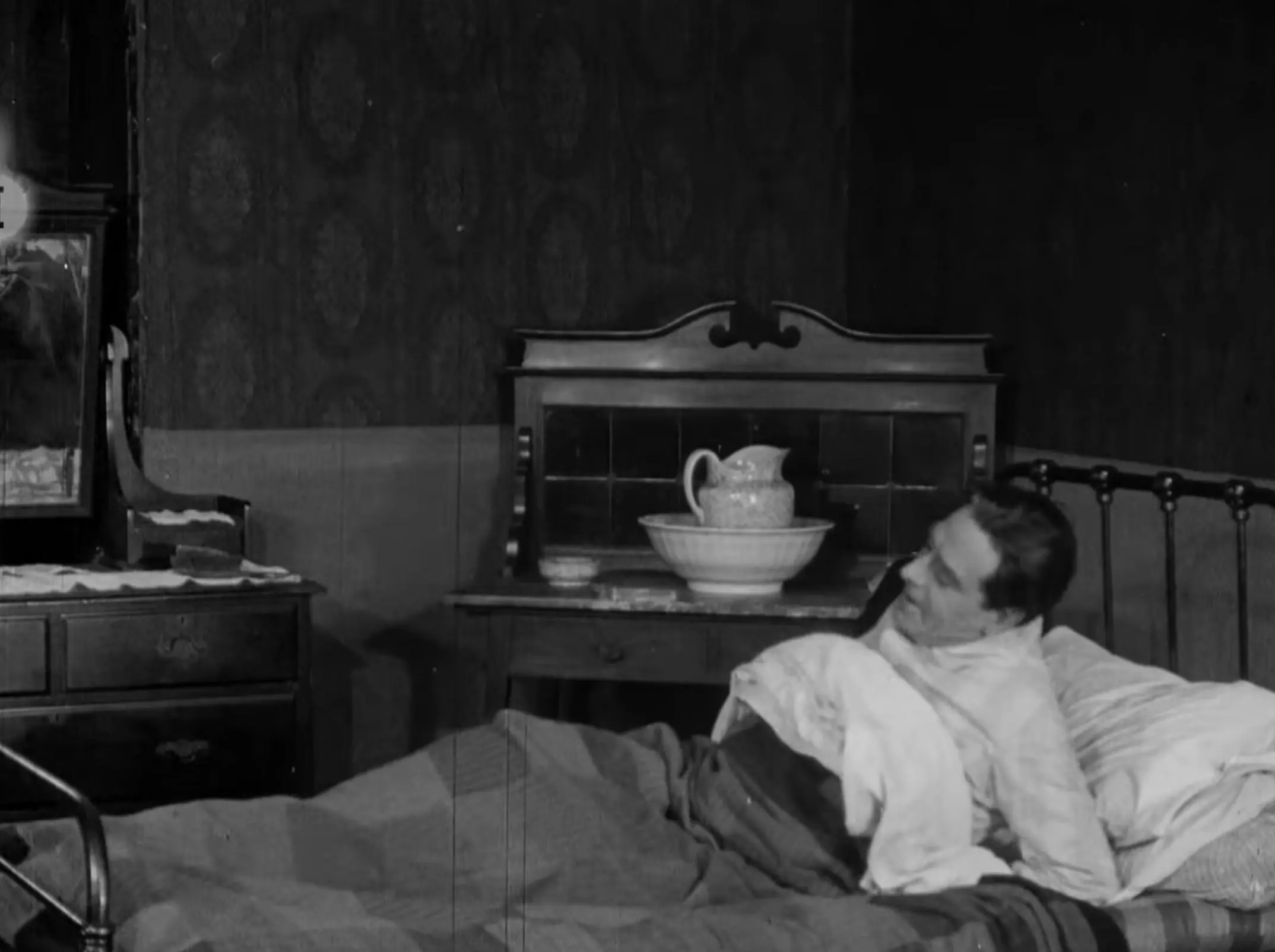
The film’s structure is episodic, each segment a micro‑drama that illustrates a specific vector of transmission. In a cramped tenement, a mother cradles a feverish infant, the child’s breath a ragged percussion against the silence. Dr. Wise interjects, "Ventilation is the simplest armor against invisible enemies." The scene shifts to a municipal office where clerks, oblivious to the looming threat, share a communal water pitcher. Here, the physician’s admonition—"Do not share utensils; the virus travels on droplets."—is underscored by a graphic overlay depicting the pathogen’s microscopic morphology.
What distinguishes this short from contemporaneous propaganda, such as The Blindness of Virtue or the wartime rallying cry The Fight, is its reliance on stark realism rather than heroic allegory. The film does not romanticize the physician; instead, it presents Dr. Wise as an everyman scholar, armed with knowledge rather than weaponry. This grounded approach amplifies the urgency of the public‑health message, positioning the audience not as passive spectators but as active participants in a collective defense.
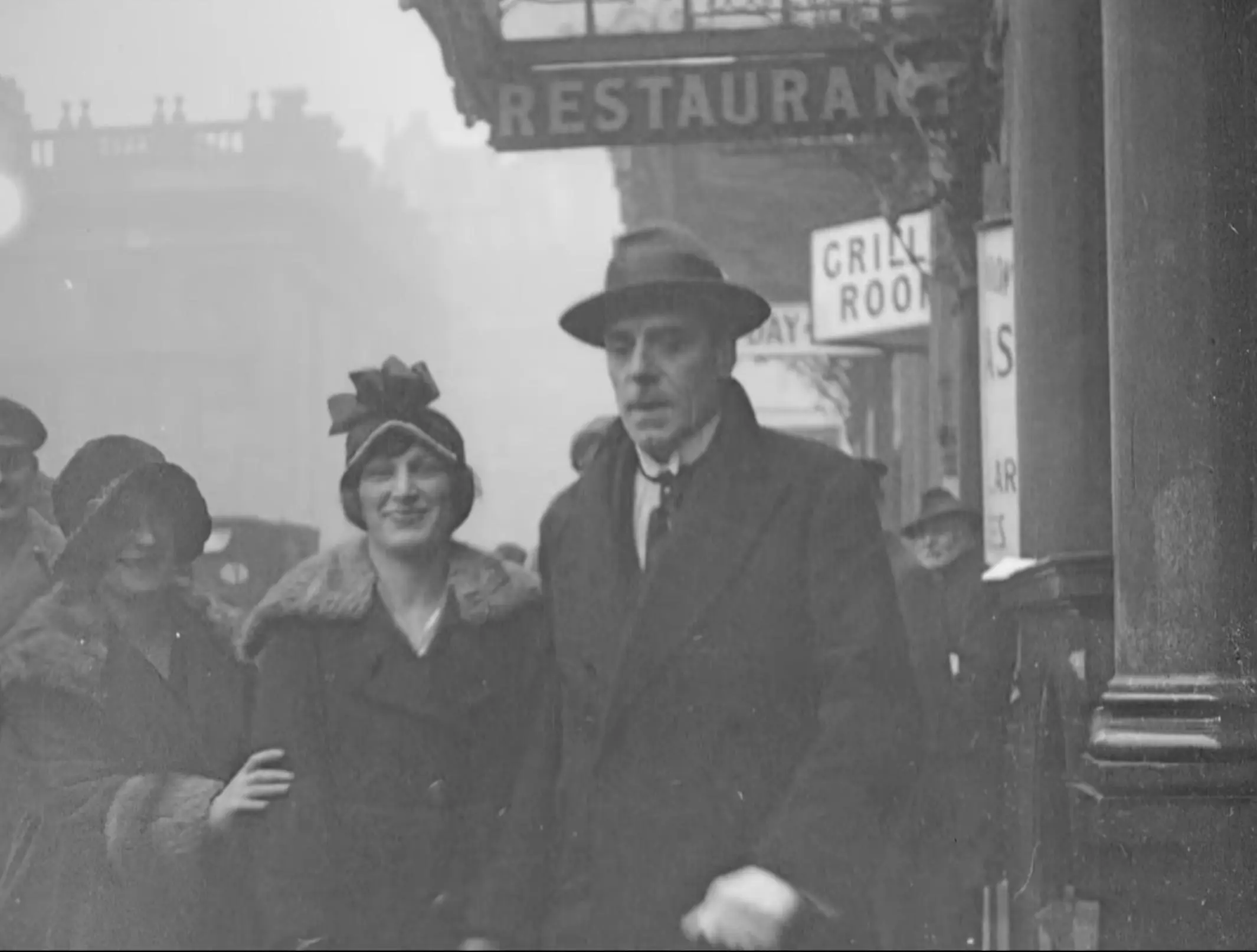
The cinematography, though limited by the era’s technical constraints, employs deliberate composition to reinforce its didactic purpose. Wide shots of fog‑laden streets convey the epidemic’s omnipresence, while tight frames on coughing mouths draw the viewer’s eye to the primary conduit of contagion. The use of chiaroscuro—deep shadows juxtaposed with harsh lighting—mirrors the binary moral landscape Dr. Wise delineates: complacency versus vigilance.
Beyond its immediate instructional value, the film serves as a sociocultural artifact, reflecting the British government’s nascent understanding of epidemiology. The emphasis on hand‑washing, ventilation, and crowd avoidance predates the modern public‑health lexicon, yet aligns closely with contemporary best practices. In this sense, Dr. Wise on Influenza anticipates the didactic strategies employed during later health crises, from the 1957 Asian flu to the COVID‑19 pandemic.
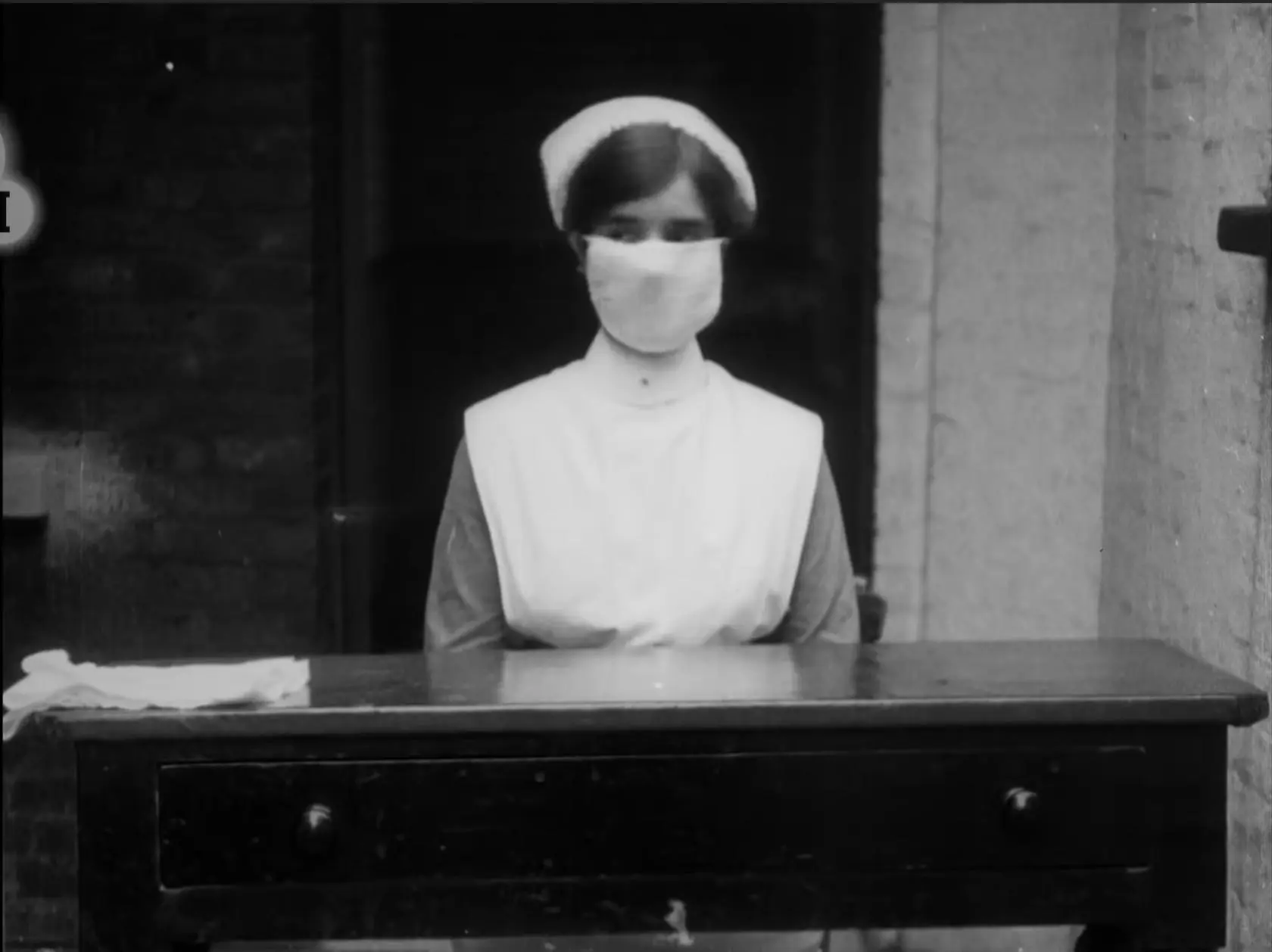
Critically, the film’s impact can be measured both in its immediate reception and its lingering legacy. Archival records indicate that local councils screened the short in community halls, schools, and factories, often accompanied by pamphlets echoing Dr. Wise’s counsel. While quantitative data on mortality reduction is sparse, anecdotal testimonies suggest a palpable shift in public behavior—greater adherence to isolation protocols and a surge in homemade disinfectant production.
Comparatively, the narrative economy of Dr. Wise on Influenza rivals that of later British shorts such as Pillars of Society, which also grapple with societal responsibility, albeit through a more dramatized lens. Where Pillars of Society leans on melodramatic tropes, Dr. Wise’s film remains austere, trusting the audience’s rational faculties.
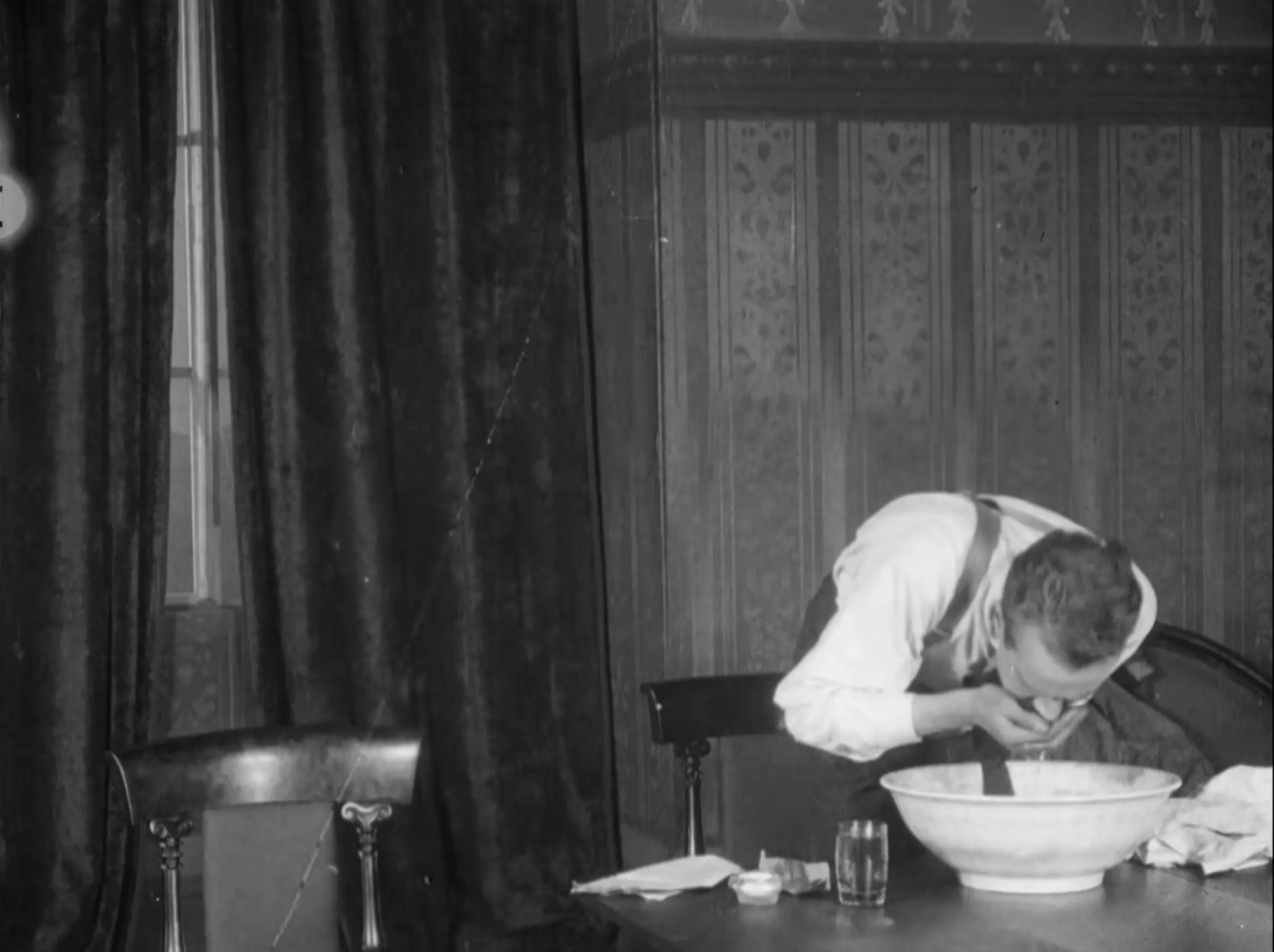
The film’s conclusion is both stark and evocative. As funeral processions wind through a soot‑blackened alley, Dr. Wise delivers his final exhortation, his voice echoing over the mournful toll of church bells: "Do not wait for the grave to teach you the price of negligence." The screen fades to a handwritten plea, rendered in a simple sans‑serif typeface, urging viewers to "Wash hands, open windows, and stay home if ill." This closing tableau functions as a visual haiku—concise, resonant, and haunting.
From a modern critical standpoint, the film’s strengths lie in its unflinching honesty and its pioneering use of cinema as a public‑health conduit. Its limitations, however, are evident in the absence of diverse representation; the narrative is overwhelmingly centered on a white, middle‑class demographic, marginalizing the experiences of working‑class families who bore the brunt of the pandemic’s mortality.
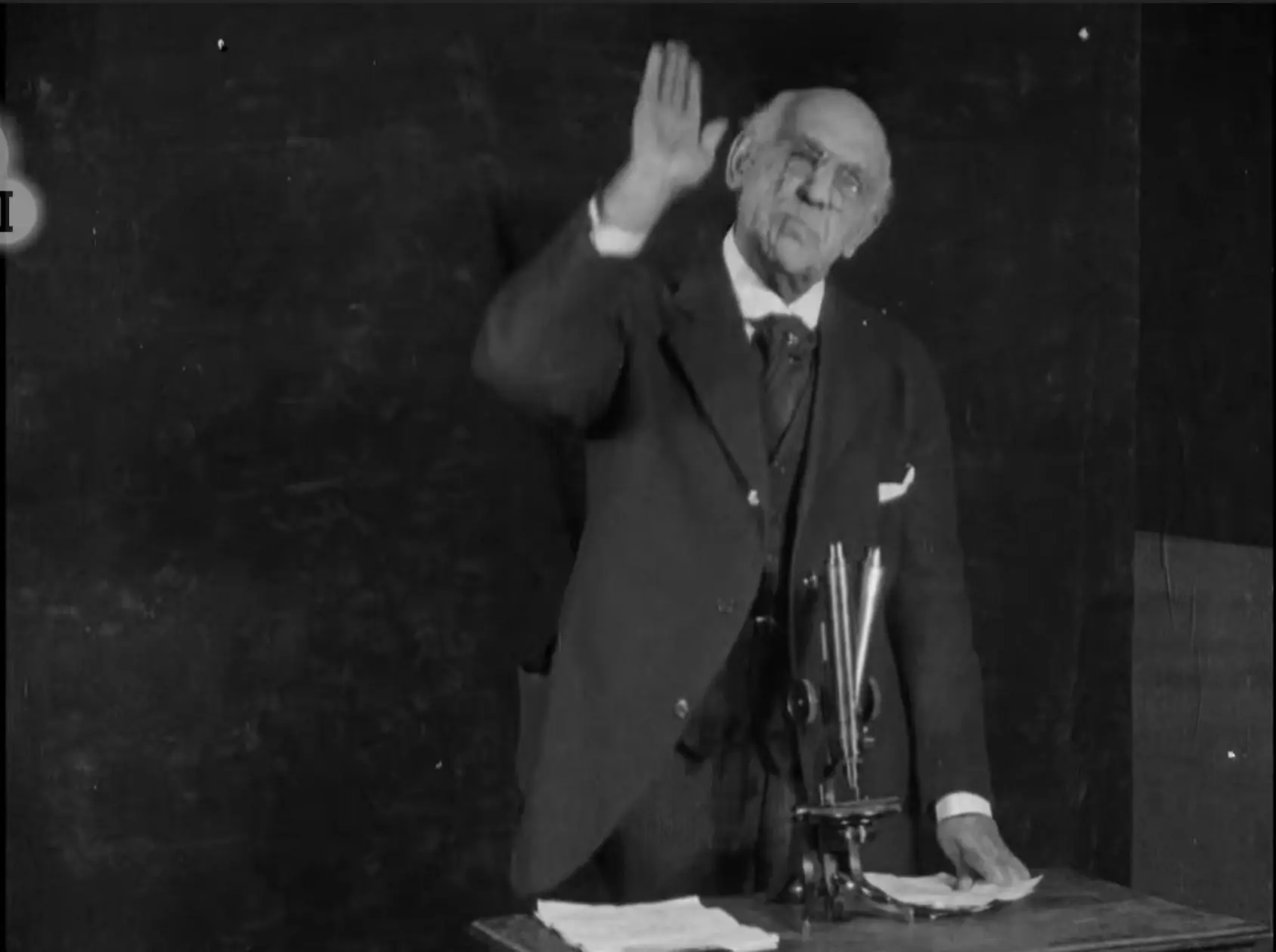
Moreover, the film’s didactic tone—while appropriate for its era—may feel prescriptive to contemporary viewers accustomed to nuanced storytelling. Yet, this very didacticism underscores the film’s purpose: to shock, to inform, and to mobilize.
In assessing the film’s artistic merit, one must acknowledge its utilitarian genesis. It was never intended to be a cinematic masterpiece; its primary ambition was to translate epidemiological data into an accessible visual language. In that respect, it succeeds admirably, translating abstract statistics into visceral human stories.
The legacy of Dr. Wise on Influenza endures in modern health communication. Its emphasis on clear, actionable advice, coupled with stark imagery, can be seen echoed in contemporary public‑service announcements—whether the animated graphics of the World Health Organization or the stark posters of the NHS during COVID‑19.
For scholars of film history, the short offers a fertile ground for interdisciplinary study, bridging the domains of cinema, medicine, and government policy. Its inclusion in film archives, alongside titles like The Mortal Sin and The Criminal Path, invites comparative analyses of narrative strategies used to influence public behavior.
In sum, Dr. Wise on Influenza stands as a compelling artifact of a nation grappling with an invisible adversary. Its stark visual language, earnest narration, and unwavering commitment to public welfare render it a timeless exemplar of cinema’s capacity to educate and to galvanize. While its aesthetic may lack the polish of later productions, its heart beats with an urgency that resonates across a century.
IMDb 4.8
1927
Community
Log in to comment.