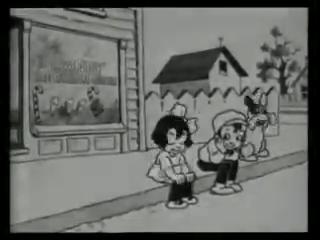
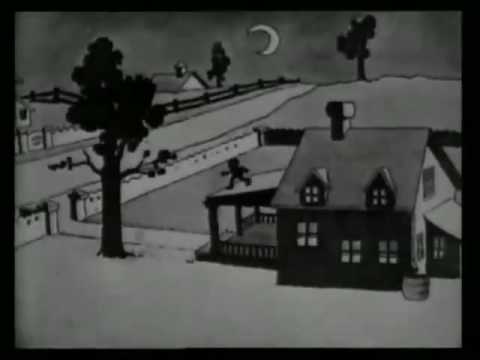
Dud's mother catches him breaking open a coin bank and spanks him. He runs away from home, only to suffer another spanking when he returns.

Wallace A. Carlson
United States
In the annals of early cinema, where brevity often belied thematic depth, Wallace A. Carlson’s Dud's Home Run stands as a fascinating, if understated, artifact. This short film, a product of an era still grappling with the burgeoning language of the moving image, distills a universal childhood experience into a po...

Comparing the cinematic DNA and archive impact of two defining moments in cult history.
Wallace A. Carlson
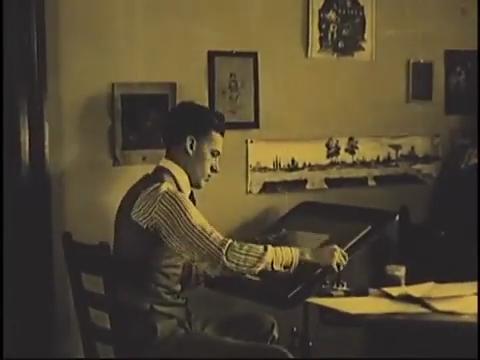
Wallace A. Carlson
Community
Log in to comment.
" In the annals of early cinema, where brevity often belied thematic depth, Wallace A. Carlson’s Dud's Home Run stands as a fascinating, if understated, artifact. This short film, a product of an era still grappling with the burgeoning language of the moving image, distills a universal childhood experience into a potent, almost archetypal narrative. It’s a testament to the power of silent storytelling, where gesture, expression, and the stark simplicity of the plot carry the entire weight of ..."
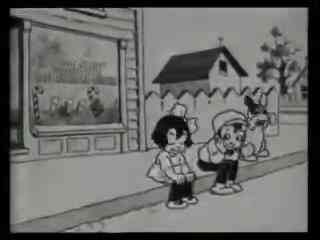
still_frame
Wallace A. Carlson