DbcultAccessing Vault...
Cult Review
Senior Film Conservator
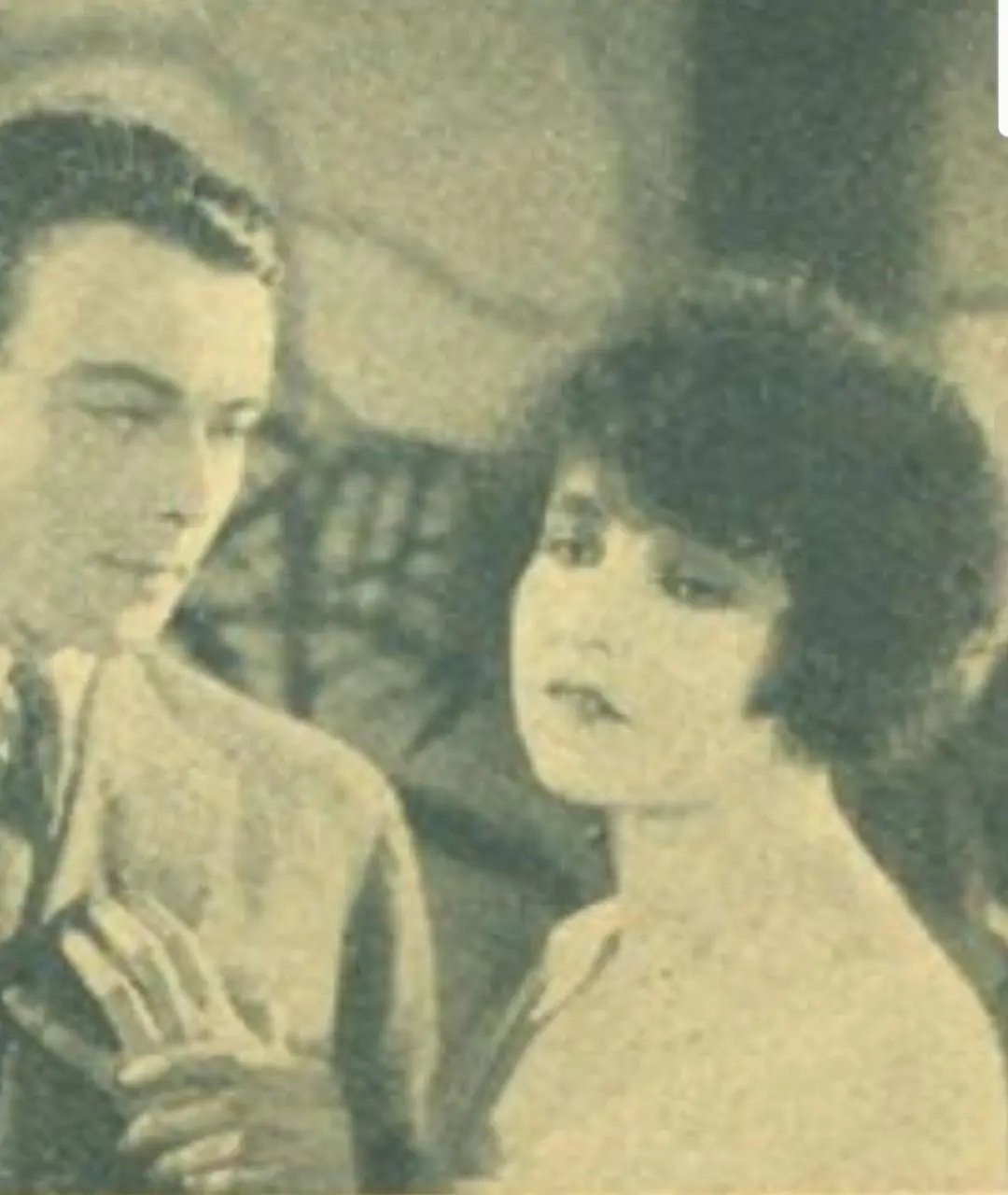
Is Finale der Liebe a hidden gem of the silent era or a forgotten relic that should stay buried? Short answer: yes, it is worth watching, but only if you possess the patience for the slow-burn theatricality of 1920s European melodrama. This film is for the dedicated cinephile who finds beauty in the grain of old film stock and the exaggerated gestures of a bygone acting style; it is absolutely not for the modern viewer who requires rapid-fire editing or narrative hand-holding.
The film occupies a strange space in the Weimar filmography. It lacks the overt expressionism of 'Caligari' but retains a heavy, almost suffocating atmosphere that suggests a world on the brink of collapse. To understand this film is to understand the anxiety of its creators, Alfred Halm and Leo Birinsky, who were crafting stories in a culture reeling from historical trauma.
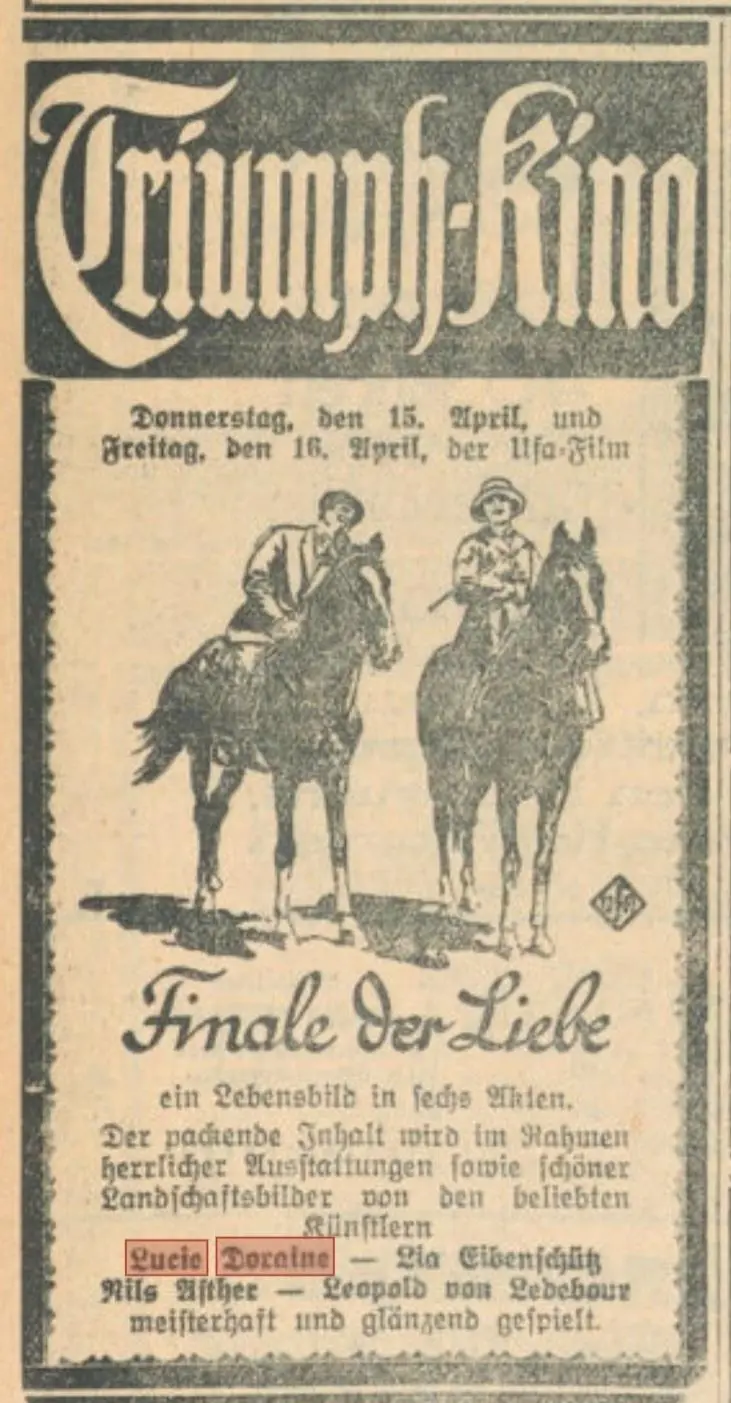
1) This film works because of the magnetic screen presence of Nils Asther and Lucy Doraine, who manage to convey complex internal shifts without the benefit of sound or excessive title cards.
2) This film fails because its middle act becomes bogged down in repetitive social posturing that slows the narrative momentum to a crawl.
3) You should watch it if you are researching the evolution of the romantic tragedy or if you enjoy the specific visual texture of mid-20s German cinematography.
For the average moviegoer, Finale der Liebe might feel like a chore. However, for those who appreciate the foundational blocks of cinema, it offers a masterclass in blocking and visual storytelling. The way Alfred Halm positions his actors within the frame tells us more about their power dynamics than any dialogue ever could. It is a film that demands your full attention, rewarding the viewer who watches the eyes of the performers rather than just waiting for the next title card.
Alfred Halm’s direction in Finale der Liebe is characterized by a certain structural rigidity that actually serves the theme of social imprisonment. Unlike the more fluid camera work seen in Där fyren blinkar, Halm opts for static shots that feel like paintings. This isn't laziness; it's a deliberate choice to make the characters look like they are trapped within the very architecture of their lives.
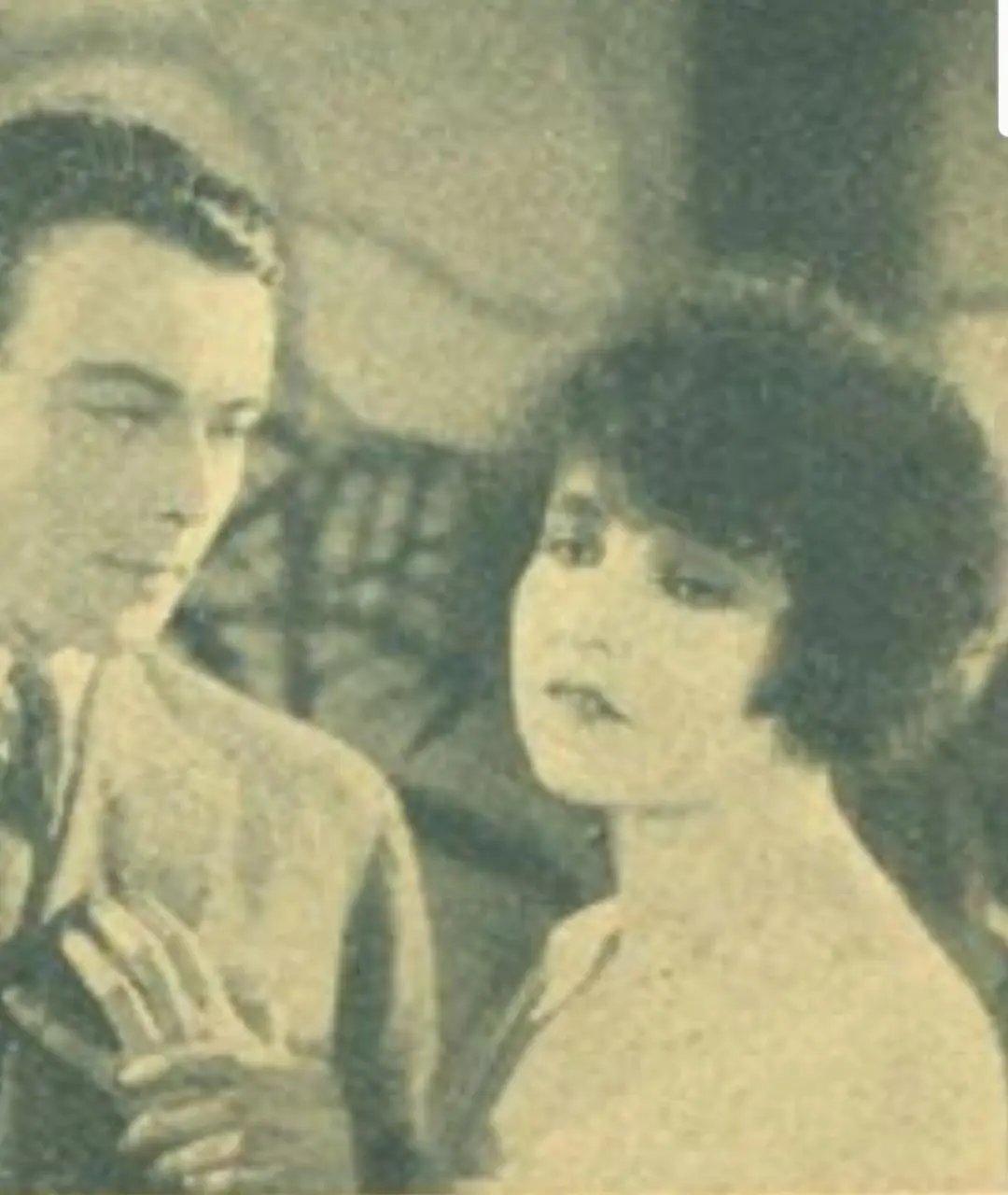
Take, for instance, the scene where Nils Asther’s character confronts the reality of his financial ruin. The camera remains unmoving, forcing the viewer to inhabit the claustrophobic space with him. There is a brutal simplicity to it. It works. But it’s flawed. The stillness occasionally tips over into stagnation, making some of the longer sequences feel like they belong on a stage rather than a screen.
In comparison to American films of the same year, such as Any Woman, Finale der Liebe feels much more cynical. While Hollywood was often preoccupied with the redemptive power of love, Halm and Birinsky seem more interested in how love can be used as a weapon or a cage. This cynicism is the film's strongest asset, providing a sharp edge to what could have been a standard melodrama.
Nils Asther is, quite frankly, the glue holding the production together. His ability to project a sense of weary nobility is unmatched here. While other actors in the ensemble occasionally fall into the trap of over-acting—a common pitfall in silent cinema—Asther remains remarkably restrained. His performance reminds me of the subtle work found in My Little Sister, where the horror of the situation is reflected in the eyes rather than through wild gesticulation.
Lucy Doraine provides a necessary foil to Asther. Her character is written with a degree of agency that was somewhat rare for the period. She isn't just a victim of circumstance; she is an active participant in her own downfall. This gives the film a psychological depth that elevates it above contemporary fluff like The Early Bird.
Gerhard Ritterband also deserves a mention. As one of the younger cast members, he brings a raw, almost frantic energy to his scenes. It’s a jarring contrast to the more polished performances of the leads, but it serves to highlight the generational divide that is a subtle undercurrent throughout the movie. His scenes feel modern, almost out of place, yet they provide the film with its most visceral moments of emotion.
The cinematography in Finale der Liebe is a study in high-contrast lighting. While it doesn't reach the dizzying heights of The Dancer of the Nile in terms of sheer spectacle, it uses shadow to create a sense of impending doom. The way light hits the faces of the actors during the final act is nothing short of predatory. It feels like the world is literally closing in on them.
However, we must address the pacing. The film is long, and it feels long. The screenplay by Leo Birinsky is dense with subplots that don't always resolve in a satisfying way. There are moments where the narrative drifts into the kind of moralizing found in Corruption, which can feel heavy-handed to a modern audience. The editing lacks the rhythmic precision that would have made the tension truly unbearable.
"In the silence of the Weimar screen, the loudest screams are the ones the characters are too polite to utter."
This quote encapsulates the film's ethos. It is a movie about the things left unsaid. When the characters do speak via title cards, the words often feel inadequate compared to the visual storytelling. This is a common issue in films of this transition period, where writers were still figuring out how much to tell versus how much to show.
Pros:
- Exceptional lead performances that transcend the silent medium.
- A cynical, realistic take on romantic tragedy.
- Beautifully composed static shots that emphasize the theme of entrapment.
- A rare glimpse into the mid-20s European social psyche.
Cons:
- Glacial pacing in the second act.
- Some supporting performances feel dated and theatrical.
- The ending feels somewhat rushed compared to the slow build-up.
The script is a double-edged sword. On one hand, Birinsky creates a complex social web that feels authentic and lived-in. On the other hand, he often falls back on melodramatic tropes that feel tired even by 1925 standards. Compared to his other works or even something like With Hoops of Steel, the writing here feels more restricted by its genre. It lacks the adventurous spirit found in Anything Once, opting instead for a safe, albeit dark, trajectory.
When placed alongside other films of the era, such as The Scarecrow or Fanchon, the Cricket, Finale der Liebe stands out for its somber tone. It doesn't offer the easy escapism of American cinema. Instead, it offers a mirror to a society that was struggling to find its footing. It is less of a 'cinematic journey' and more of a visual autopsy of a failing romance.
The film’s focus on the 'finale' is its most interesting aspect. Most movies end when the love ends, but this film starts with the beginning of the end. It’s a bold choice that isn't always executed perfectly, but it’s enough to make the film memorable. It doesn't have the kinetic energy of Torchy's Frame-Up, but it has a weight that stays with you after the lights come up.
Finale der Liebe is a difficult film to love but an easy one to respect. It is a work of significant technical merit and features performances that still resonate nearly a century later. While the pacing will undoubtedly alienate many, those who stay for the duration will be treated to a haunting, cynical, and ultimately moving portrait of human frailty. It is a necessary piece of the Weimar puzzle, even if it isn't the most polished one. It isn't a masterpiece, but it is a fascinating failure that tells us more about its era than many 'perfect' films ever could. If you can handle the stillness, you should watch it.
IMDb —
1919
Community
Log in to comment.