Summary
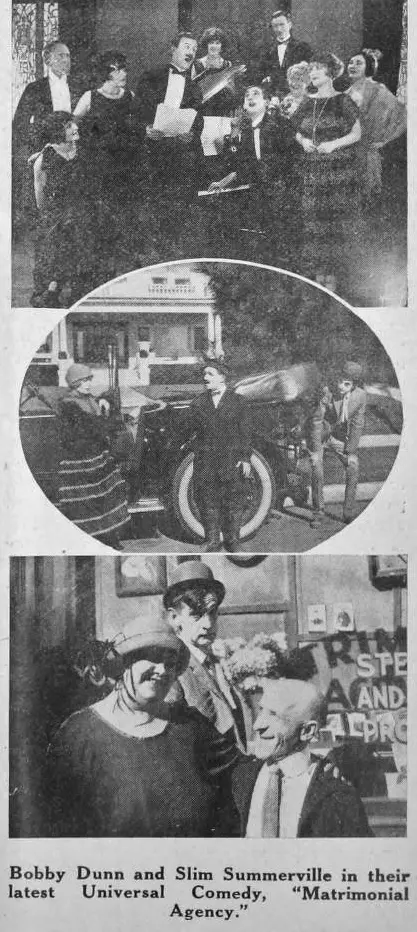
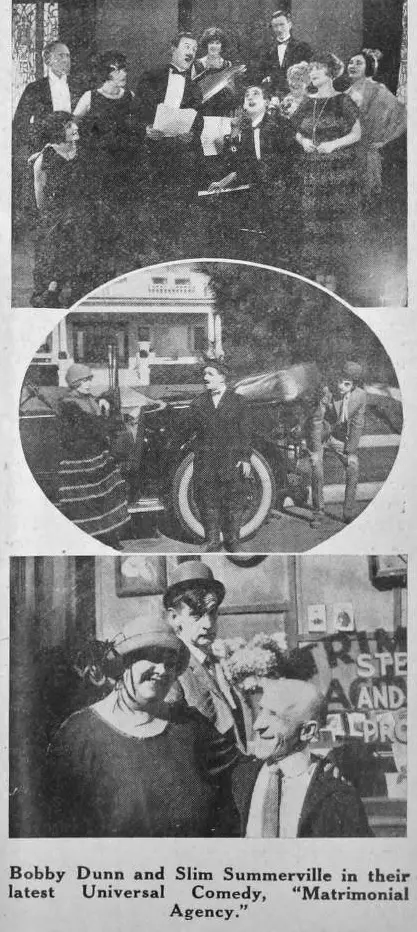
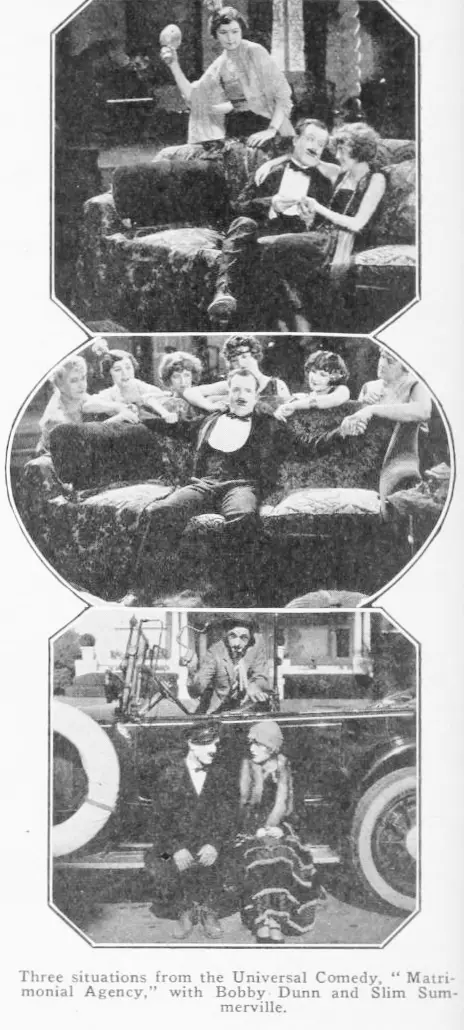
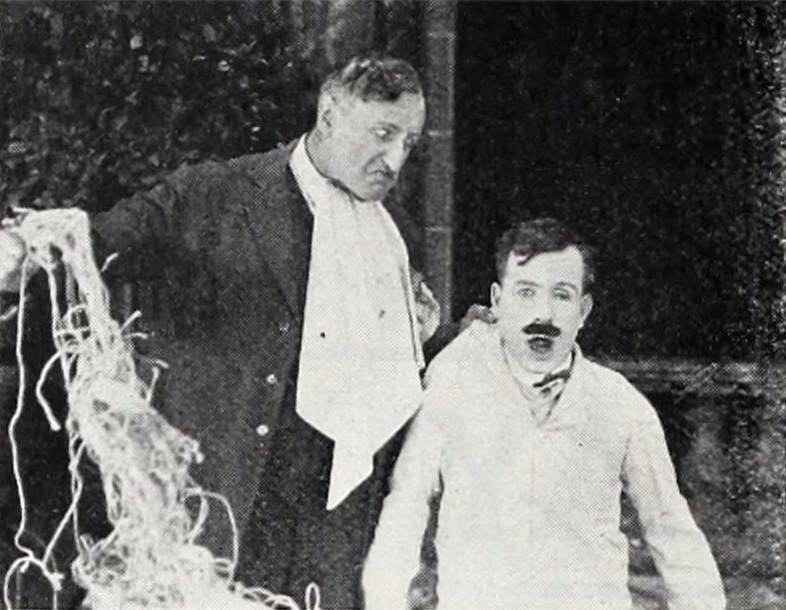
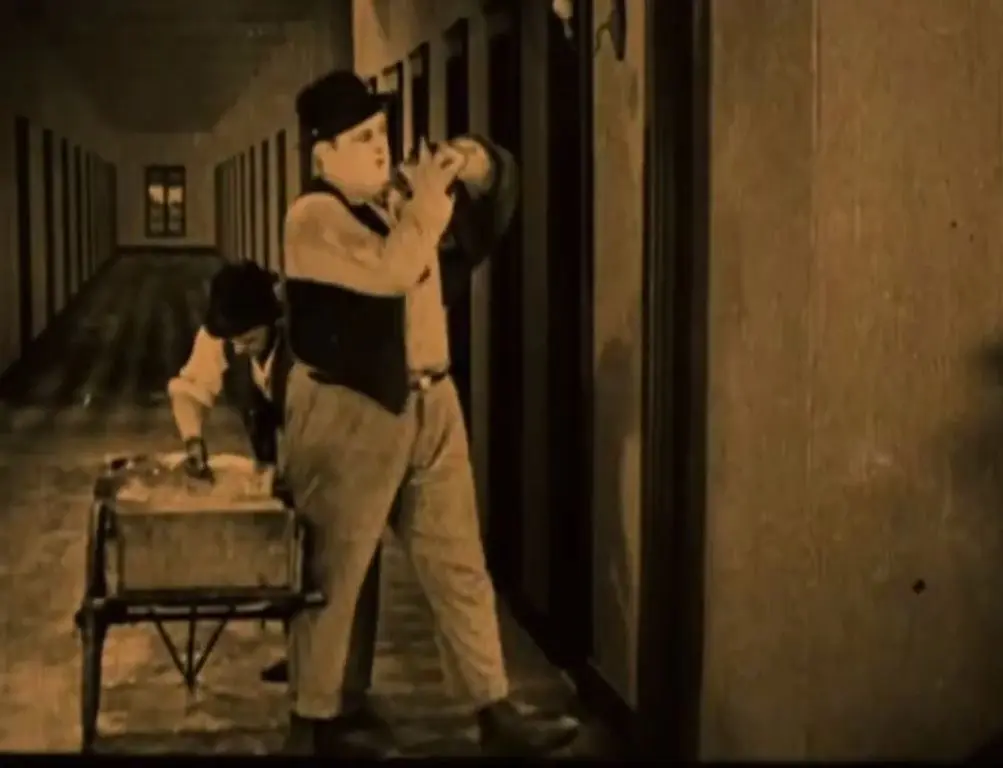
In the cutthroat landscape of early 20th-century domestic service, Slim and Bobby engage in a desperate, high-velocity sprint toward the promise of a chauffeur’s uniform. Bobby, possessed of a more frantic kinetic energy, secures the position, leaving Slim to simmer in the bile of his own defeat. What follows is not a gracious retreat but a meticulously orchestrated campaign of social sabotage. Slim pivots from physical competition to psychological warfare, leveraging the desperate romantic aspirations of a wealthy spinster via a matrimonial agency. By substituting Bobby’s visage for a suitor’s portrait, Slim crafts a trap of mistaken identity that detonates just as Bobby is successfully infiltrating the upper echelons of his employer’s family through the courtship of the daughter. The ensuing scandal—a collision of domestic duty and perceived infidelity—shatters Bobby’s upward mobility. Slim, ever the opportunist, slides into the professional and romantic vacuum, eventually wedging himself into the family through marriage. However, the film takes a final, cynical turn into the criminal; a failed heist involving the spinster’s jewels serves as the definitive punctuation mark on this cycle of petty vengeance and proletarian greed.
Synopsis
Slim and his pal Bobby race for a job as chauffeur. Bobby gets there first, so Slim decides upon revenge. He goes to a matrimonial agency and finds a wealthy old maid looking for a husband. He gives her Bobby's picture and his new address. She arrives as Bobby is making great strides in his courtship of his employer's daughter. When the girl learns the story she promptly throws Bobby over and he also loses his job. Slim is there to step into the vacancy and later succeeds in marrying the daughter. Bobby marries the old maid. The two men plot to steal Bobby's wife's necklace, but are caught in the act.
Review Excerpt
"
To witness Easy Work is to observe the raw, unrefined mechanics of silent-era slapstick before it became sanitized by the demands of major studio gloss. This is a film defined by its friction—the physical friction of the chase and the social friction of the class-climbing protagonist. While many comedies of the era focused on the accidental hero, Slim Summerville and Bobby Dunn present a more Darwinian view of the urban struggle. It is a world where one man’s employment is another man’s existe..."