DbcultAccessing Vault...
6.8/10
Senior Film Conservator

A definitive 6.8/10 rating for a film that redefined the boundaries of cult cinema. The Love Nest remains a cornerstone of transgressive art.
When the title The Love Nest first appears on the flickering marquee, one might anticipate a light‑hearted romp. Instead, Keaton gifts us a meditation on loss, duty, and the unforgiving rhythm of the sea. The film opens with a lingering shot of a deserted pier, the wind rustling through weathered planks, an early visual metaphor for Buster’s internal desolation. His silent grief is conveyed not through dialogue—there is none—but through the subtle tilt of his shoulders, the way his gaze lingers on a photograph that never fully comes into frame. This opening tableau sets a tone that pervades the entire work: the tension between what is spoken and what is felt.
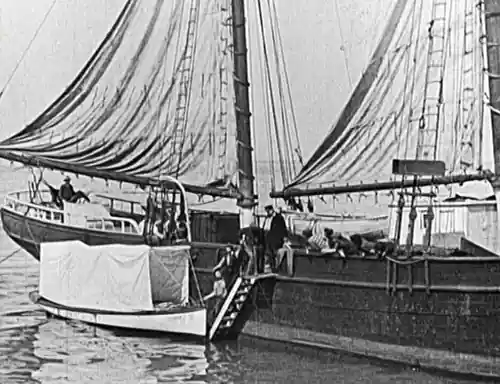
The vessel itself is more than a backdrop; it is a living, breathing entity that shapes the narrative. Its hull, pitted by salt and time, groans under the weight of its cargo and the ambitions of its crew. The captain, a stern figure rendered in stark contrast against the sea‑blue horizon (#0E7490), enforces a regimen that borders on militaristic. His commands are clipped, his eyes perpetually narrowed, embodying the era’s archetype of masculine authority. Yet, Keian’s camera never fully vilifies him. A lingering close‑up of the captain’s weathered hands, stained with oil, hints at a man who has sacrificed much to command this floating world.
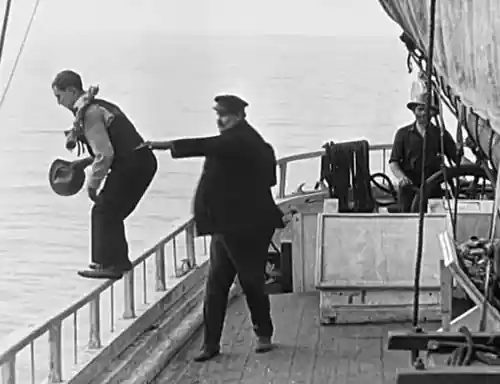
Buster Keaton, known for his dead‑pan expression, here employs a broader emotional palette. His physical comedy—slipping on a slick deck, fumbling with a harpoon—serves as a counterpoint to the film’s somber undercurrents. In a particularly memorable sequence, he attempts to balance a barrel of whale oil while the ship pitches, his body a pendulum of controlled chaos. The scene is a masterclass in timing, each wobble echoing his inner instability. Virginia Fox, portraying the ethereal memory of Buster’s lost love through flashbacks, offers a fleeting but luminous presence; her luminous eyes, often highlighted with a soft yellow wash (#EAB308), become a visual anchor for Buster’s yearning.
Cinematographer William Daniels (not to be confused with the actor) employs chiaroscuro to great effect. The interior of the ship is bathed in low, amber light, casting long shadows that mimic the looming specter of grief. Conversely, the open ocean is captured in crisp, sea‑blue tones, a visual reminder of both freedom and isolation. The climactic whale‑hunt sequence utilizes rapid cuts, intercut with slow‑motion close‑ups of Buster’s face, emphasizing the juxtaposition of human vulnerability against nature’s enormity.
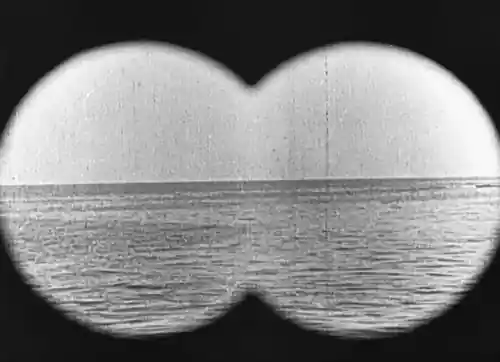
The film’s three‑act structure mirrors a tide: an initial lull of melancholy, a turbulent middle where Buster confronts both external danger and internal demons, and a subdued resolution. Themes of redemption, the rigidity of authority, and the possibility of emotional rebirth are woven through recurring motifs—most notably the recurring image of a lighthouse, its beacon cutting through the blackness like a promise of guidance.
Comparatively, Wolves of Kultur explores similar motifs of man versus nature, yet it leans heavily on mythic symbolism, whereas The Love Nest grounds its conflict in personal loss. The restraint shown in The Locked Heart—another Keaton‑era piece—offers a useful foil: where that film embraces overt melodrama, Keaton’s work here trusts silence to convey sorrow.
Although a silent film, contemporary screenings often feature a live piano score that underscores the narrative’s emotional beats. The low, resonant chords during the whale‑hunt heighten tension, while a gentle, lilting melody accompanies flashbacks of Buster’s romance, reinforcing the bittersweet nostalgia.
The Love Nest occupies a unique niche in Keaton’s oeuvre. It bridges his earlier slapstick masterpieces—such as The Reward of Patience—and his later, more introspective works. Its influence can be traced to modern auteurs who blend comedy with existential dread, a lineage evident in the tonal shifts of contemporary indie cinema.
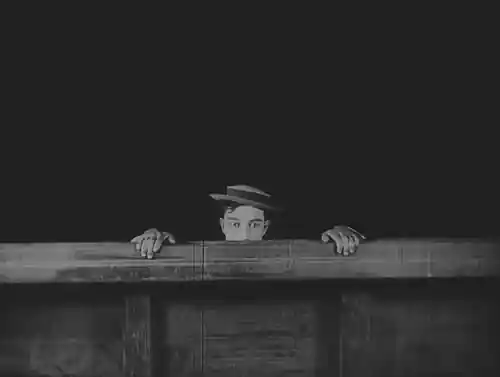
Moreover, the film’s treatment of masculine vulnerability predates the more explicit explorations found in The Heart of the North. Keaton’s subtlety—using a single glance, a hesitant step—allows modern audiences to project their own experiences of grief onto the silent protagonist, ensuring the film’s relevance across generations.
The authenticity of the whaling ship’s set cannot be overstated. Detailed rigging, authentic harpoons, and period‑accurate sailor attire immerse the viewer in a world that feels both historical and mythic. The use of real seawater for splash effects adds a tactile realism that enhances the visceral impact of the climactic chase.
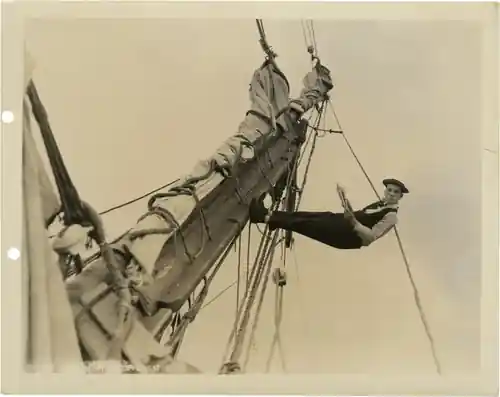
When placed beside The Grasp of Greed, which employs a sprawling, multi‑character plot, The Love Nest’s focused storytelling shines. Keaton’s decision to confine the emotional arc to a single protagonist allows for deeper character study, a technique later adopted by directors such as Wes Anderson in his tightly wound narratives.
Upon its 1923 release, the film garnered mixed reviews; critics praised Keaton’s visual ingenuity but were perplexed by the somber tone. Over time, scholarly reassessment has elevated the work to a status of quiet reverence, recognizing its daring departure from pure comedy toward a hybrid of drama and slapstick. The film’s inclusion in retrospectives alongside Fires of Rebellion underscores its importance in the evolution of narrative silence.
The enduring power of The Love Nest lies in its ability to speak without uttering a word. Keaton’s mastery of visual storytelling invites repeated viewings, each revealing new layers of meaning—whether it be the symbolism of the whale as an embodiment of overwhelming grief, or the captain’s eventual softening as a testament to human connection.
In an age where dialogue often drowns nuance, Keaton’s silent articulation of sorrow feels revolutionary. The film reminds us that the most profound narratives are those that trust the audience to fill the silences with personal experience. As the final frame fades to black, the echo of the sea lingers, urging the viewer to contemplate the fragile nests we build for love, and the tides that inevitably test their strength.

IMDb 6.3
1925
Community
Log in to comment.