DbcultAccessing Vault...
Cult Review
Senior Film Conservator
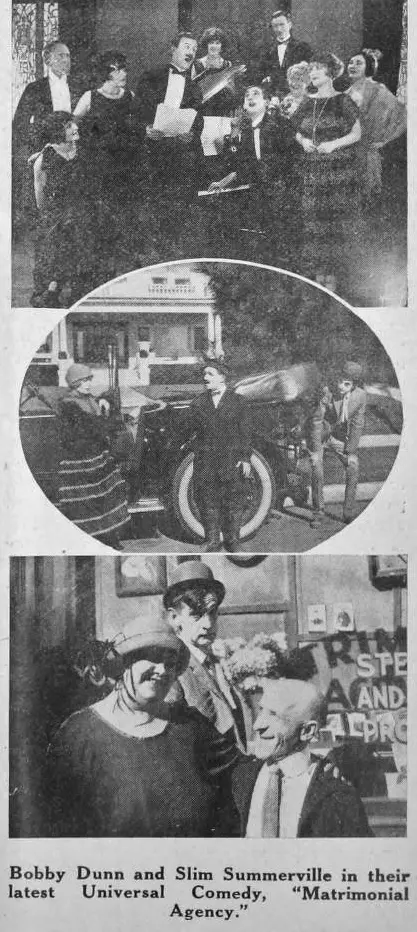
To witness Easy Work is to observe the raw, unrefined mechanics of silent-era slapstick before it became sanitized by the demands of major studio gloss. This is a film defined by its friction—the physical friction of the chase and the social friction of the class-climbing protagonist. While many comedies of the era focused on the accidental hero, Slim Summerville and Bobby Dunn present a more Darwinian view of the urban struggle. It is a world where one man’s employment is another man’s existential crisis.
The opening sequence, a frantic race for a chauffeur position, sets a breakneck pace that the rest of the film struggles to maintain, yet it serves as a perfect microcosm of the characters' motivations. Unlike the more nuanced social commentary found in A Champion Loser, the stakes here are immediate and visceral. Bobby Dunn, with his compact frame and staccato movements, represents the frantic energy of the everyman, while Summerville, with his lanky, almost spectral presence, embodies a more calculating brand of mischief. The race isn't just for a job; it’s for the right to exist within the frame of the burgeoning middle class.
When Bobby wins, the film shifts from a physical comedy to a narrative of Machiavellian revenge. Summerville’s Slim does not merely want the job; he wants to dismantle Bobby’s entire reality. This spiteful core distinguishes Easy Work from the more sentimental comedies of its time. There is a darkness here that mirrors the grim undercurrents of Moral Suicide, albeit presented through the distorted lens of a funhouse mirror.
The introduction of the matrimonial agency is where the script reveals its sharpest teeth. The idea of a "wealthy old maid" searching for a husband via a catalog is a recurring trope in early cinema, yet here it is weaponized with surgical precision. By sending Bobby's photo to this woman, Slim isn't just creating a misunderstanding; he is performing a character assassination. The subsequent arrival of the spinster at the height of Bobby’s courtship of his employer’s daughter is a masterpiece of situational irony. It highlights the precarious nature of social standing during this era—one’s reputation could be unraveled by a single misplaced photograph.
While a film like Vanity's Price deals with the high costs of social appearance, Easy Work treats these themes with a shrug and a pie to the face. The daughter’s immediate rejection of Bobby speaks volumes about the transactional nature of romance in the silent comedy universe. There is no room for benefit of the doubt; there is only the immediate, hysterical reaction to the perceived threat of scandal.
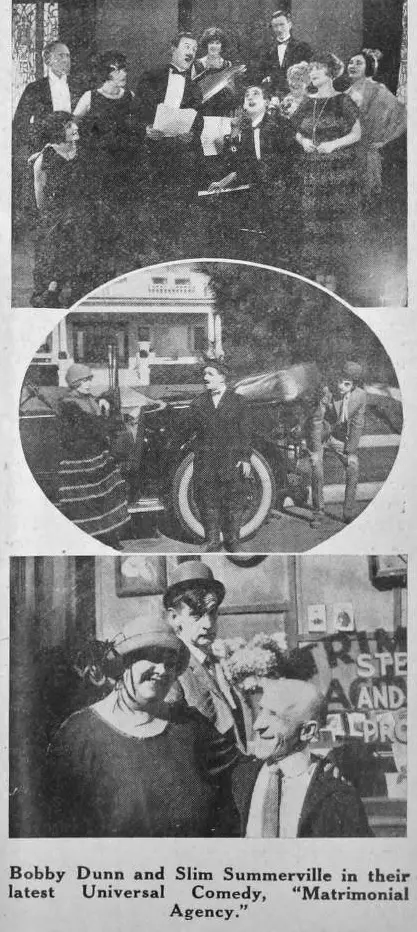
Slim Summerville’s performance is a masterclass in deadpan malice. His movements are languid, his expressions often unchanging even as he orchestrates chaos. This creates a fascinating tension with Bobby Dunn’s performance. Dunn is a creature of pure reaction—eyes wide, limbs flailing, a man constantly besieged by a universe that seems determined to crush him. This dynamic is far more engaging than the grand historical posturing found in Famous Battles of Napoleon or the stoic drama of Channing of the Northwest.
Summerville’s eventual triumph—taking Bobby’s job and marrying the girl—feels less like a victory for the protagonist and more like a grim confirmation that the most ruthless player wins. The film refuses to offer the audience a moral center. Slim is a cad, Bobby is a victim who eventually turns to crime, and the employer’s daughter is essentially a trophy passed from one chauffeur to the next. This lack of sentimentality is refreshing, providing a gritty texture that contrasts sharply with the pastoral innocence of At Piney Ridge.
The final act of the film, involving the attempted theft of the spinster’s necklace, is perhaps its most surreal sequence. Having both found themselves in marriages of convenience or spite, Bobby and Slim align in a desperate bid for financial liberation. This shift from domestic comedy to heist film is jarring but effective. It suggests that the "easy work" promised by the title is a myth; whether through labor, marriage, or crime, the characters are trapped in a cycle of perpetual effort with diminishing returns.
The capture of the duo is the only logical conclusion for a narrative so steeped in cynicism. Unlike the redemptive arcs found in Hei de Vencer or the dramatic finality of Nearing the End, the ending of Easy Work feels like a shrug from the universe. The characters haven't learned anything; they have simply run out of room to maneuver. It is a comedic tragedy of errors where the punchline is a jail cell.
When placed alongside contemporary works like Ragged Robin or the more theatrical A Sister to Salome, Easy Work stands out for its lack of pretension. It does not aim for the high art of Fridericus Rex, nor does it possess the domestic warmth of Polly Put the Kettle On. Instead, it is a document of a specific type of American anxiety—the fear of being replaced, the fear of being exposed, and the fear that there is no such thing as a clean win.
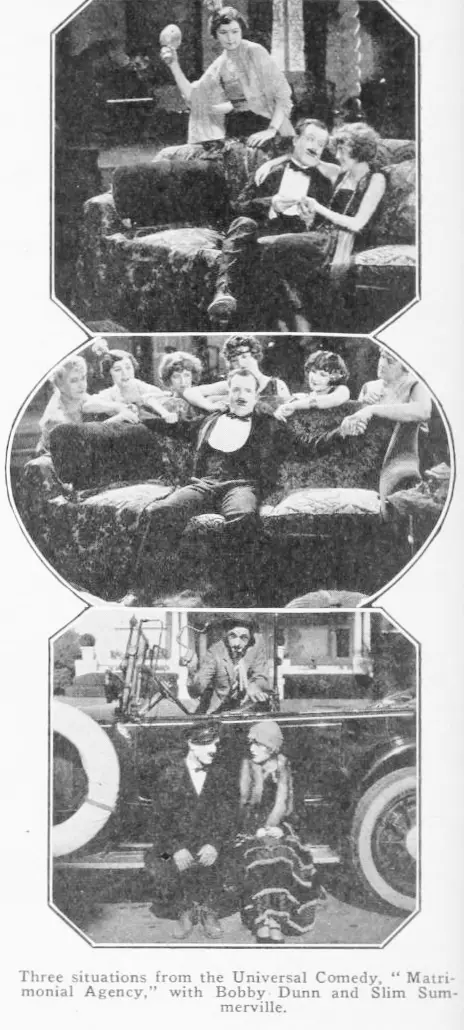
The film’s pacing, while occasionally erratic, reflects the instability of its characters' lives. The use of the matrimonial agency as a plot device is a fascinating precursor to modern digital deceptions, making the film feel oddly prescient in our era of catfishing and social media posturing. While The Man Who Saw Tomorrow looks to the future through prophecy, Easy Work inadvertently predicts a future where identity is a fluid and dangerous currency.
Visually, the film relies heavily on the physical geometry of its leads. The director uses the verticality of Summerville and the horizontality of Dunn to create a visual shorthand for their conflict. The chase scenes are filmed with a primitive but effective sense of depth, capturing the dusty reality of early 20th-century roads. This is not the stylized world of Maddalena Ferat; it is a world of grease, sweat, and cheap suits.
The editing is sharp, particularly during the sequence where the spinster arrives at the employer's estate. The cross-cutting between Bobby’s desperate attempts to woo the daughter and the spinster’s relentless approach creates a genuine sense of dread that elevates the comedy. It is this ability to blend tension with slapstick that makes Easy Work more than just a footnote in the history of silent film. It is a precursor to the more sophisticated "cringe comedy" of the modern era, where the audience’s laughter is tempered by the agonizing discomfort of the situation.
In the final analysis, Easy Work is a fascinating, if somewhat bitter, artifact of the silent era. It eschews the easy sentimentality of its peers for a more honest look at human pettiness. Whether it's the race for a job or the race for a necklace, the film suggests that the effort is never truly "easy." It is a exhausting, hilarious, and ultimately futile scramble for a piece of a pie that is already starting to rot. For fans of silent comedy who prefer their humor with a side of acid, this is essential viewing. It lacks the moral clarity of Open the Bars, but it makes up for it with a raw, unvarnished energy that remains palpable even a century later.
Final Thought: If you find yourself sympathizing with Slim, you might need to re-evaluate your moral compass—or perhaps you just understand the reality of the job market better than most.

IMDb 6.2
1934
Community
Log in to comment.