DbcultAccessing Vault...
5.6/10
Senior Film Conservator
A definitive 5.6/10 rating for a film that redefined the boundaries of cult cinema. O Homem dos Olhos Tortos remains a cornerstone of transgressive art.
Stepping back into the annals of Portuguese cinema, one encounters a work that, even from its title, promises a certain disquiet, a crooked perspective on reality. O Homem dos Olhos Tortos, or 'The Man with the Crooked Eyes,' is far more than a simple crime procedural; it is a fascinating, if sometimes opaque, window into a period of profound global upheaval, refracted through a distinctly national lens. Penned by the prodigious Reinaldo Ferreira, this film plunges us into a world where the lines between common criminality and high-stakes international espionage are not merely blurred, but deliberately, insidiously intertwined. It’s a narrative that demands attention, rewarding the patient viewer with a complex tapestry of intrigue and betrayal.
At its core, the film presents a classic cat-and-mouse game, yet one elevated by the gravitas of its historical context. We are introduced to a formidable gang of criminals, their operations seemingly contained within the typical confines of a burgeoning urban underworld. However, the relentless pursuit by two intrepid detectives, whose names become synonymous with tenacity, soon reveals a far more sinister and expansive network. What begins as a local investigation quickly escalates into a national crisis, as the investigators unearth secret connections, linking the seemingly disparate criminal acts to powerful, hidden organizations. This revelation alone would be enough to sustain a compelling thriller, but Ferreira, with a stroke of genius, adds another layer of profound significance: the insidious hand of German spying during World War I.
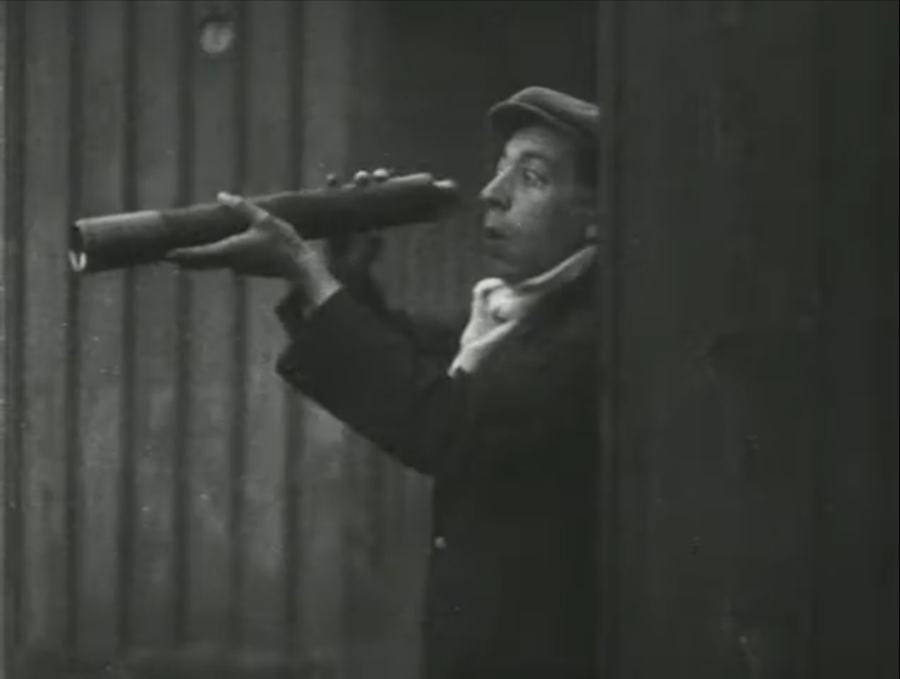
This pivot from domestic crime to international espionage is where O Homem dos Olhos Tortos truly distinguishes itself. The war, a distant thunder for many, becomes an immediate, palpable threat within the very fabric of Portuguese society. The criminals are not just opportunists; they are unwitting, or perhaps willing, pawns in a grander geopolitical game. The 'crooked eyes' of the title could easily refer to this distorted perception of reality, where allies are enemies, and seemingly innocuous figures harbor dangerous secrets. The detectives' journey is one of gradual, horrifying enlightenment, as they come to terms with the scope of the infiltration and the pervasive nature of the threat.
Reinaldo Ferreira, a figure of considerable literary prowess, crafts a screenplay that, even in its early cinematic form, feels remarkably sophisticated. His narrative doesn't spoon-feed its audience; instead, it invites them to piece together the puzzle alongside the protagonists. The dialogue, one imagines, crackles with the tension of the era, reflecting the anxieties and suspicions that defined a nation grappling with its neutrality and ultimate involvement in the global conflict. Ferreira’s ability to weave together a gritty criminal underworld with the refined, yet ruthless, machinations of state-sponsored espionage is a testament to his storytelling acumen. He understands that the most compelling villains are often those whose motives are shrouded in a fog of patriotism, however misguided, making their actions all the more chilling.
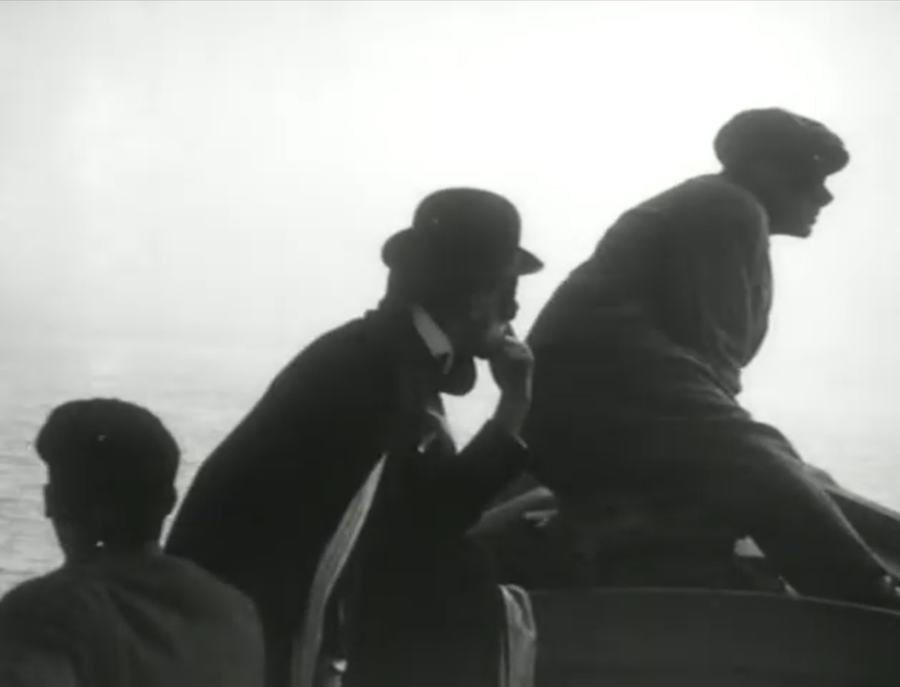
The pacing, a crucial element in any thriller, is meticulously handled. The gradual unveiling of the conspiracy ensures that the suspense builds organically, moving from localized skirmishes to an understanding of a vast, interconnected network. One can draw parallels to the intricate plotting seen in later spy thrillers, suggesting that Ferreira was, in many ways, ahead of his time in understanding the psychological dimensions of espionage. This isn't just about catching bad guys; it's about uncovering a truth that threatens to unravel the very fabric of national security.
The film benefits immensely from its dedicated cast, who bring to life the complex characters inhabiting this treacherous landscape. Raul de Oliveira, as one of the lead detectives, likely embodies the stoic determination required to face down such an overwhelming threat. His portrayal, one can surmise, would be marked by a quiet intensity, a man burdened by the weight of his discoveries. Álvaro Pereira, perhaps as the second detective, would offer a complementary dynamic, perhaps a more impulsive or cynical counterpoint, reflecting the differing ways individuals cope with the pervasive paranoia of the era. Their chemistry would be pivotal, driving the investigative thrust of the narrative.
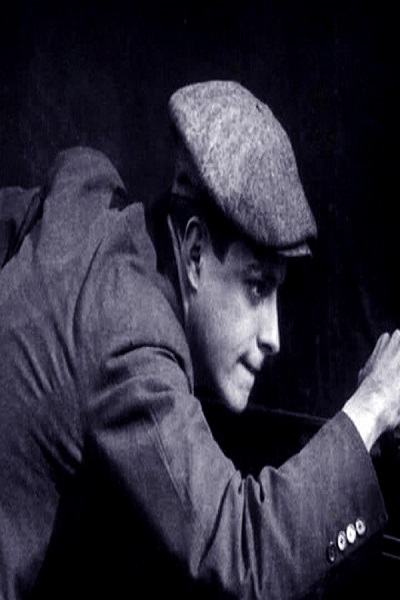
António Sarmento, likely cast in a role that embodies the more ambiguous aspects of the conspiracy, would have the challenging task of portraying a character whose allegiances are constantly in question. His 'crooked eyes' could be metaphorical, reflecting a moral compromise or a hidden agenda that fuels the central mystery. Raquel Barros and Alda de Aguiar, in their respective roles, would undoubtedly provide the human element amidst the grand machinations, perhaps as victims, collaborators, or even unwitting agents. Their performances would anchor the story in relatable human stakes, preventing it from becoming a purely intellectual exercise in plot mechanics. The interplay of these actors would have been crucial in conveying the nuanced emotional landscape of a society under siege.
Given its vintage, O Homem dos Olhos Tortos would have employed the nascent cinematic techniques of its time. One can imagine a reliance on strong visual storytelling, perhaps through striking compositions, dramatic use of shadows to evoke menace and secrecy, and carefully choreographed sequences to convey tension. The absence of synchronized sound would have placed a greater emphasis on the actors' physicality and facial expressions, demanding a more theatrical, yet no less impactful, performance style. Intertitles would have been critical in conveying the intricate plot points, especially the revelations concerning the hidden organizations and German espionage.
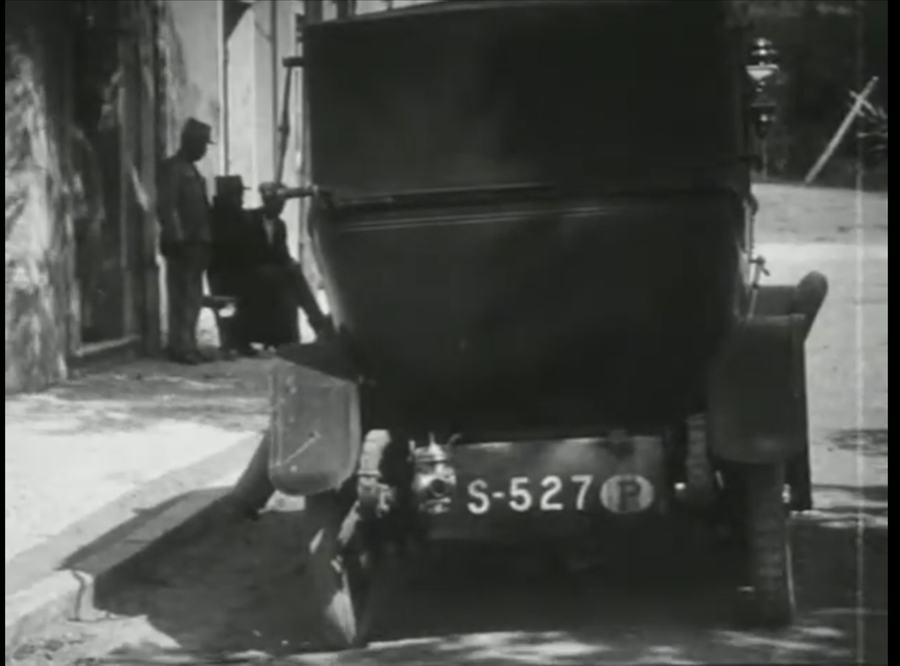
The film's setting during World War I provides a rich historical backdrop. Portugal, initially neutral, eventually joined the Allied powers, making the depiction of German spying particularly resonant. This was a period when national identity was being forged and tested, and films like this played a role in shaping public perception and understanding of external threats. While other films of the era, such as The Kaiser, the Beast of Berlin, offered more overt propaganda, O Homem dos Olhos Tortos seems to delve into the more subtle, insidious aspects of wartime sabotage and infiltration. It's less about jingoism and more about the internal rot that foreign agents could inflict. The tension wouldn't just be from external conflict, but from the fear of an enemy within, a theme that resonates deeply even today.
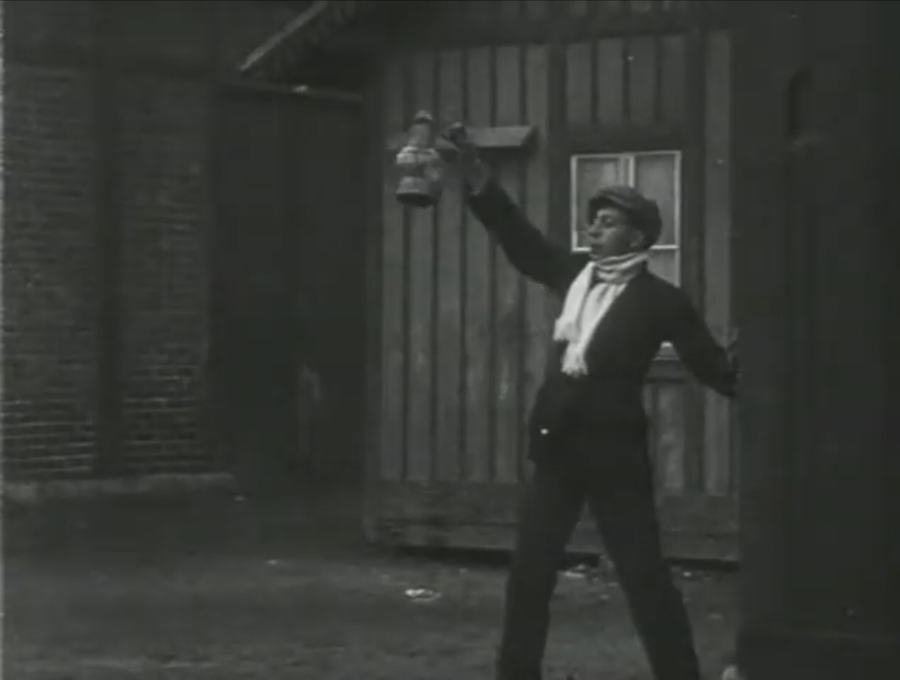
While specific details about its visual style or surviving prints might be scarce, the mere premise of O Homem dos Olhos Tortos speaks volumes about the ambition and sophistication of early Portuguese cinema. It dared to tackle complex themes of national security, international intrigue, and the moral ambiguities of war, all wrapped within a compelling crime narrative. It’s a film that, even a century later, sparks curiosity, inviting us to imagine its full scope and impact on contemporary audiences.
The influence of such a film, particularly one dealing with espionage during a global conflict, would have been significant. It would have contributed to the cultural discourse around Portugal's role in the war and the nature of patriotism. In an era where information was carefully controlled, cinema provided a powerful medium for both entertainment and subtle commentary. Comparing its approach to the more straightforward action of The Escape or the romanticized danger of The Misleading Lady, O Homem dos Olhos Tortos appears to occupy a more serious, grounded space, despite its dramatic flourishes.
The very title, 'The Man with the Crooked Eyes,' suggests a multifaceted interpretation. Is it the villain, whose skewed moral compass guides the conspiracy? Is it one of the detectives, whose perception is initially distorted by the layers of deceit? Or is it a metaphor for the nation itself, forced to look at the world through a lens of suspicion and fear during wartime? This ambiguity is precisely what gives the film its enduring resonance, allowing for multiple readings and discussions long after the credits roll.
Ultimately, O Homem dos Olhos Tortos stands as a testament to the power of storytelling, particularly in its ability to reflect and interpret historical moments. Reinaldo Ferreira, alongside his talented cast, crafted a piece of cinema that transcended simple entertainment, offering a potent blend of suspense, social commentary, and historical reflection. It remains a crucial artifact, reminding us of the rich, often overlooked, history of Portuguese film and its capacity for complex, engaging narratives.
This film, in its quiet intensity, provides a fascinating counterpoint to more bombastic war epics or simplistic crime dramas of its time. It invites contemplation on the nature of loyalty, the cost of conflict, and the ever-present shadow of hidden agendas. For cinephiles and historians alike, rediscovering O Homem dos Olhos Tortos offers a rare glimpse into a nuanced, thrilling portrayal of a nation grappling with its place in a world irrevocably altered by war. It is a cinematic experience that, despite its age, retains an undeniable, compelling power, proving that true intrigue is timeless.
IMDb —
1932
Community
Log in to comment.