Summary
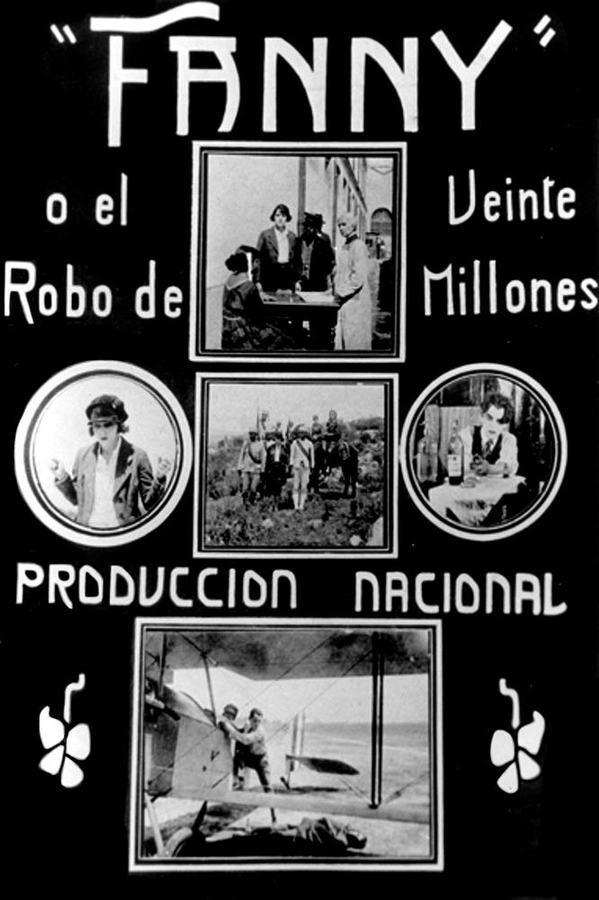
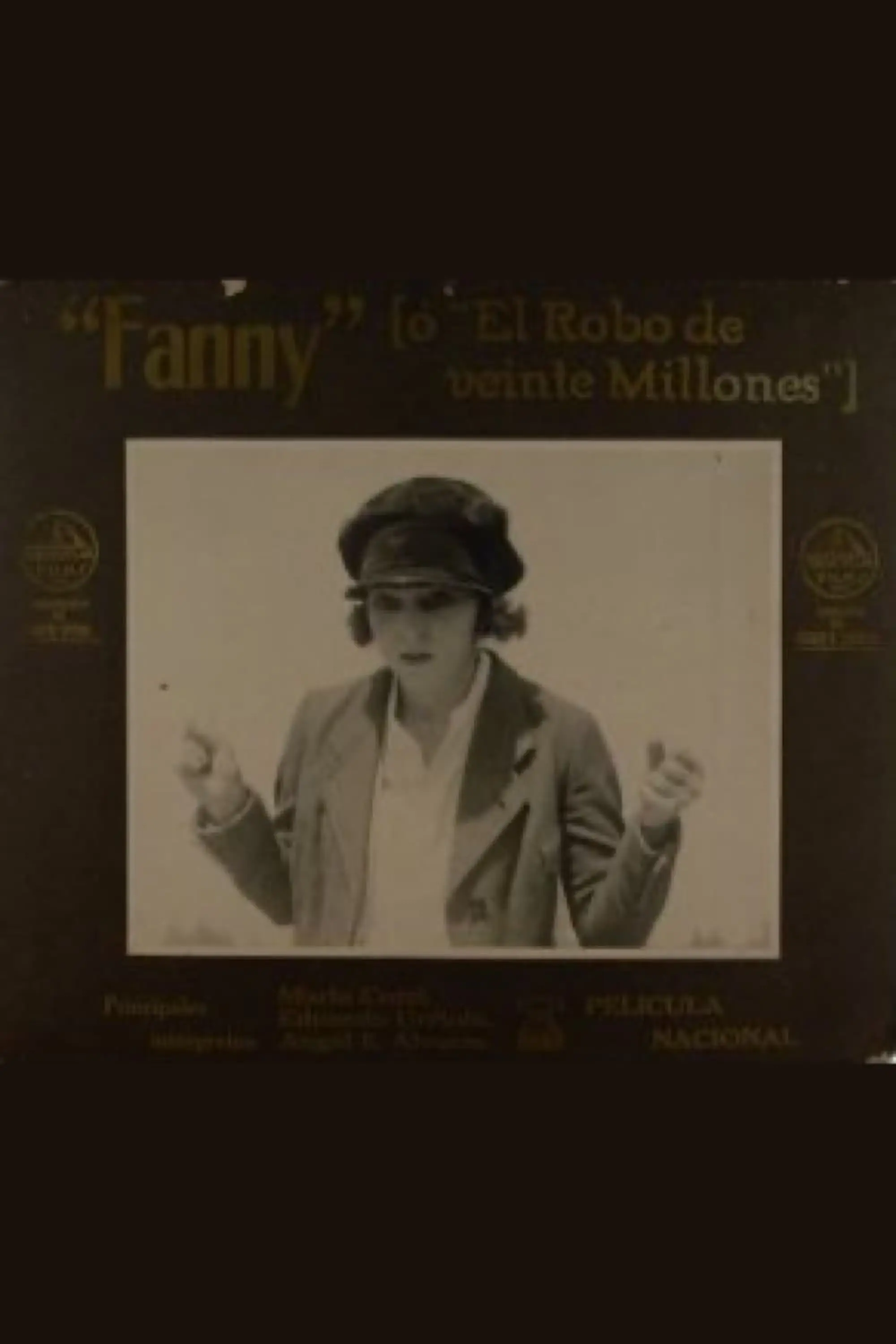
On the salt-bleached fringes of a South-American port that feels half-forgotten by time, the eponymous Fanny drifts like a rumor made flesh—wardrobe threadbare but spine resolute—hauling a suitcase stuffed with unpaid rent slips, faded dance cards, and a tarnished silver locket that clicks open on nothing but her own reflection. The film, a fevered chamber piece shot through with bruised lyricism, follows her over three dusk-to-dawn movements: first, a carnival of creditors and wolf-whistles where every streetlamp seems to leer; second, a candle-lit garret where she barters breathy arias for cigarettes and learns that love, when sold by the hour, evaporates quicker than rum; third, an oceanic finale on a rust-scabbed freighter whose horn blares like the last judgment, leaving her neither redeemed nor damned—merdenly unmoored, hair unbraided, eyes twin compass needles spinning toward no north we can name. The men orbit like moths to her guttering flame: a stevedore who promises marriage but pockets her pearls, a banker twice her age who signs cheques with the same hand that slaps her, a boy balladeer who swears he’ll write an anthem to her clavicle yet vanishes when the first radio station calls. Meanwhile the women—sisters, landladies, a tango chanteuse with a voice like cracked velvet—form a fragile matriarchal net, fraying thread by thread under patriarchal scissors. Shot in graphite monochrome that occasionally blooms into tobacco-amber glows, the picture eschews establishing shots; instead, the camera clings to Fanny’s shoulder blade, sniffs the armpits of the city, licks the condensation off tavern windows, so that geography becomes physiology: every alley a vein, every plaza a palpitation. Dialogue is sparse; the score—accordion wheezes, far-off ship horns, the hush of silk on skin—does the talking. Time loops, hiccups, doubles back; an hourglass is glimpsed, then forgotten, then shattered in a smash-cut that feels like a slap. By the final frame, Fanny stands at the rail, seafoam flecking her cheek like stardust, the locket finally sold for passage, her smile not triumphant but feral, as if to say: witness how I have wrung my own heart out, and still it drips, still it beats, still it refuses to apologize for wanting more.
Review Excerpt
"
The first thing that strikes you is the smell—no, not onscreen, but in your memory, because Fanny somehow distills brine, cheap rum, and gardenia petals into a phantom musk that clings to the viewer long after the end credits fade to ember. Urriola, who also wrote, refuses to hand-hold; he flings us into a nameless port city where streetlights flicker like bad consciences and every doorway exhales cigar ghosts. Ana Cozzi’s Fanny enters barefoot on cracked cobblestone, heels slung over one shou..."