DbcultAccessing Vault...
8/10
Senior Film Conservator
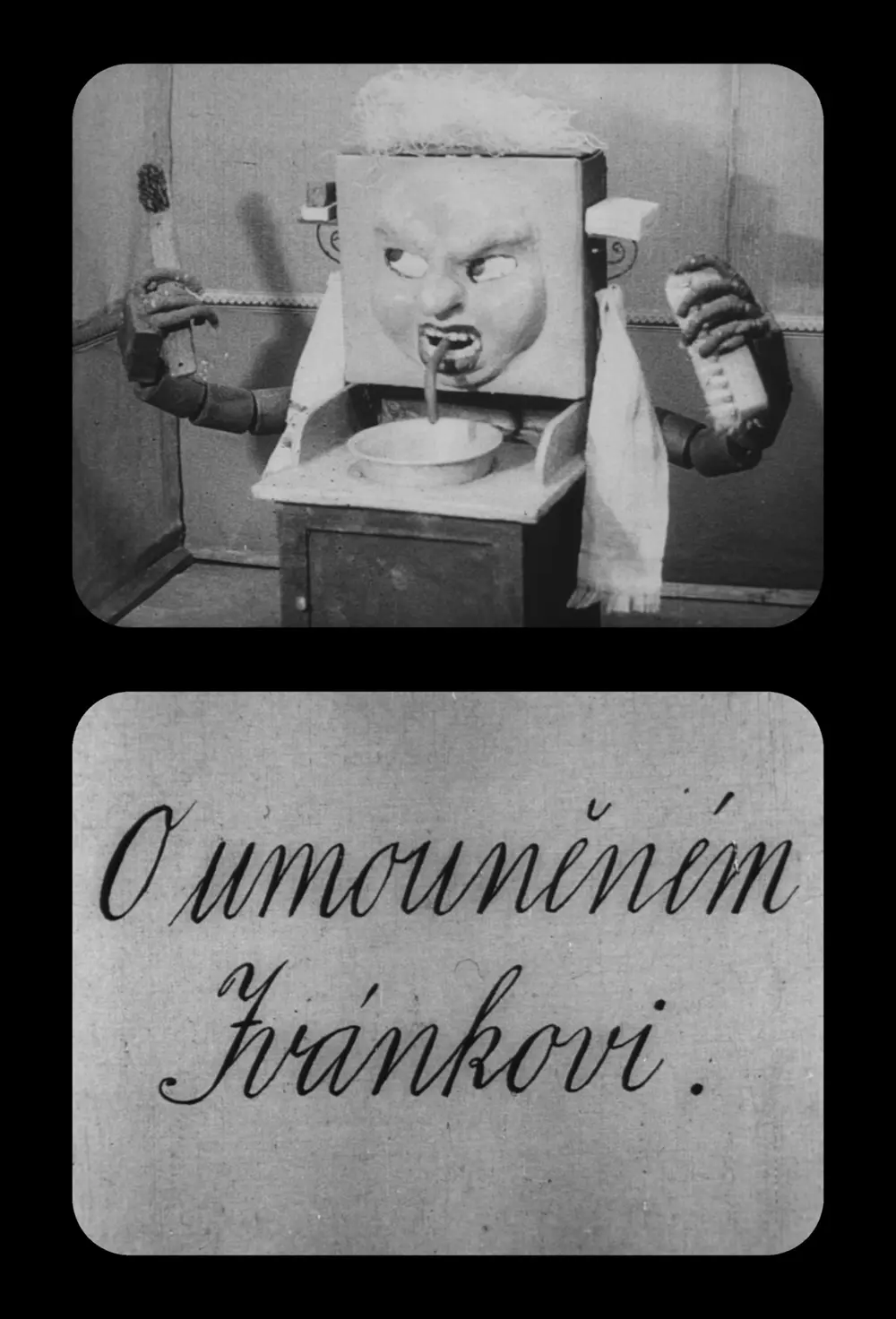
A definitive 8/10 rating for a film that redefined the boundaries of cult cinema. Moydodyr remains a cornerstone of transgressive art.
Should you revisit this early Soviet oddity today? Short answer: yes, but only if you appreciate the intersection of avant-garde visuals and aggressive moral instruction. This is not the sanitized, soft-edged animation of the modern era; it is a sharp, jagged piece of history that feels more like a fever dream than a bedtime story.
This film is for historians of animation, fans of the uncanny, and those who find beauty in the rigid aesthetic of early 20th-century cinema. It is absolutely not for those who require a cohesive, logic-driven narrative or anyone who finds sentient furniture inherently traumatizing.
1) This film works because it utilizes the limitations of its era to create a truly haunting sense of anthropomorphism that modern CGI simply cannot replicate.
2) This film fails because its heavy-handed moralism leaves zero room for the protagonist's agency, turning a child's growth into a forced surrender.
3) You should watch it if you want to see how early filmmakers used practical effects and puppetry to bring literary nonsense to life long before the digital age.
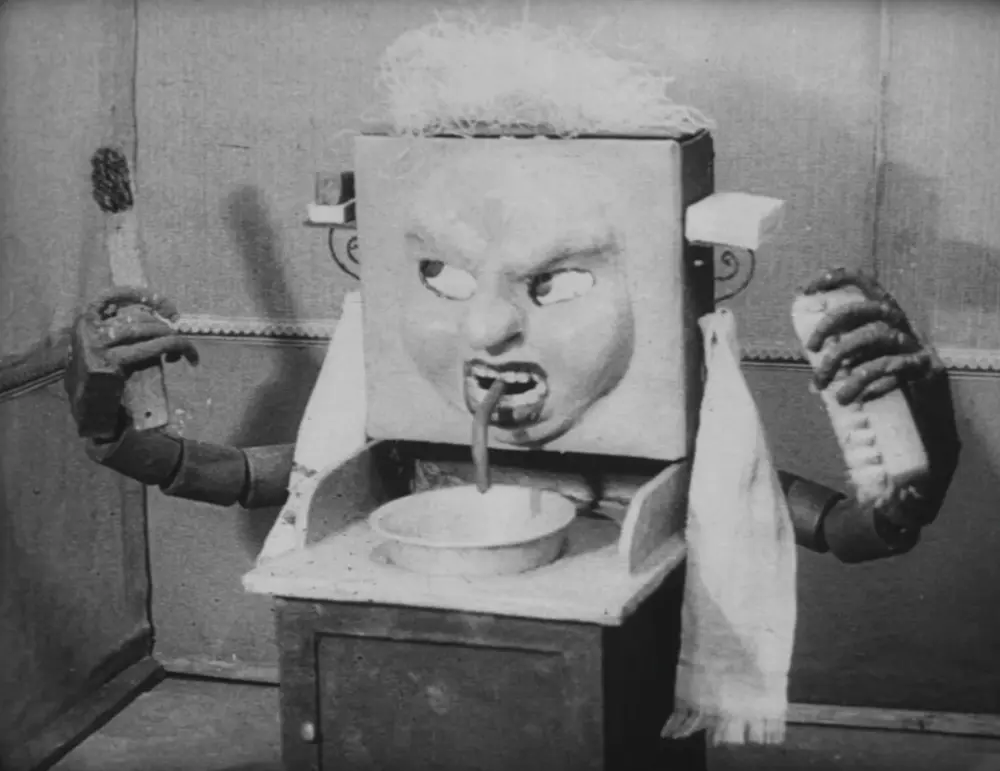
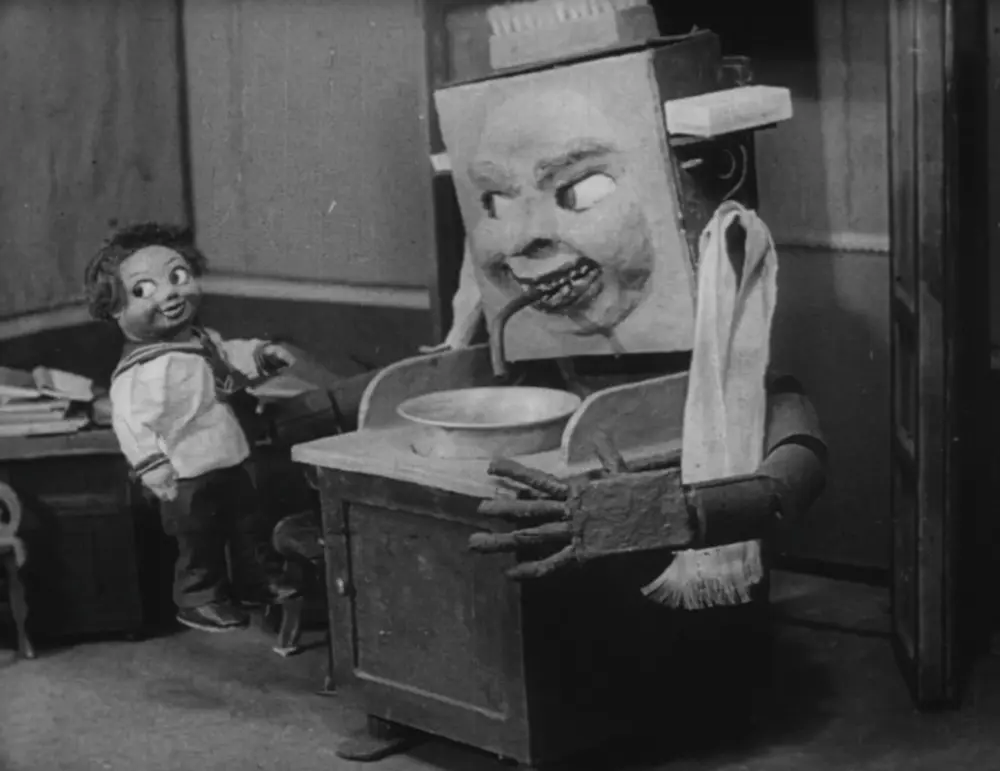
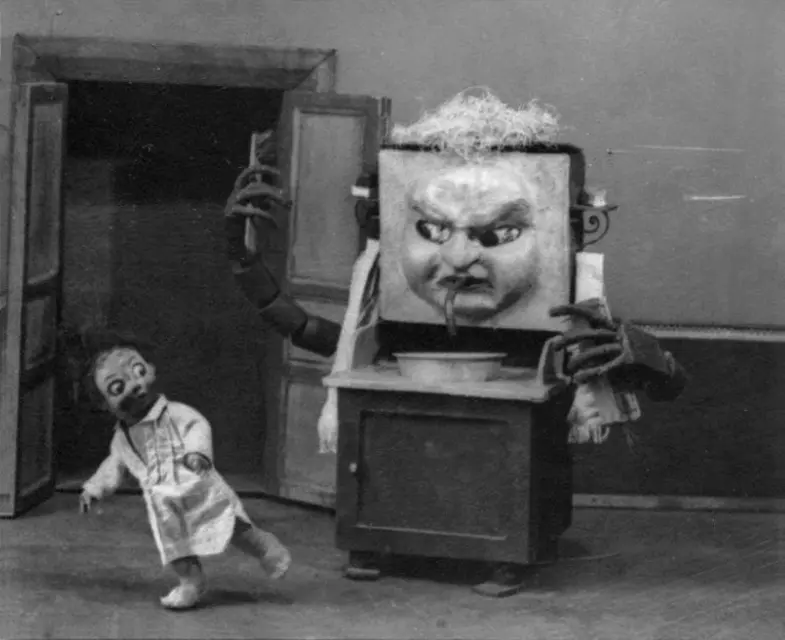
The titular character, Moydodyr, is not a friendly mentor. He is a mechanical deity, a literal 'Lord of the Washbasins' who commands an army of brushes and soaps. In the 1927 version, the physical presence of the washbasin is imposing. It doesn't just suggest cleanliness; it enforces it. This reflects a broader cinematic trend of the time where the machine was often seen as superior to the messy, unreliable human element.
Consider the scene where the boy's trousers jump away from him. The pacing here is frantic. It mirrors the chaotic energy found in Boomerang Bill, where movement is used to define character more than dialogue ever could. The way the fabric ripples and flies away is a testament to the tactile creativity of Mariya Benderskaya. There is a weight to the objects that feels missing in later, smoother adaptations.
The cinematography, though primitive by modern standards, uses high-contrast lighting to make the bathroom feel like a courtroom. Every shadow cast by the washbasin feels like a judgment. It’s a far cry from the lightheartedness of The Love Girl. Here, the stakes are existential.
The third act introduction of the Crocodile is where the film shifts from domestic surrealism into genuine psychological horror. The Crocodile is a social enforcer. He is the personification of the 'public eye.' When he threatens to swallow the boy, he isn't just threatening physical harm; he is threatening the boy's place in society. If you are dirty, you are outside the law.
This moment is handled with a starkness that reminds one of the dramatic tension in Queen of Spades. There is no negotiation. The boy’s subsequent sprint to the washbasin is not a realization of hygiene's benefits; it is a flight from death. It’s a brutal way to teach a lesson, but it is undeniably effective cinema.
The pacing of this sequence is remarkably tight. While some films of the era, like Polly of the Circus, allow for moments of quiet reflection, Moydodyr is relentless. It is a 10-minute sprint that leaves the viewer as breathless as the protagonist.
Yes, for its historical DNA. To watch Moydodyr is to watch the birth of a cultural icon that would define Soviet childhood for generations. It is a masterclass in how to use visual metaphor to bypass a child's natural resistance to instruction. Even if you don't speak the language, the visual language is universal.
However, it is a difficult watch for those used to contemporary pacing. The tone is abrasive. It doesn't want you to be happy; it wants you to be clean. It lacks the romanticism of La belle dame sans merci, opting instead for a cold, industrial efficiency. It is a fascinating artifact, but it is not 'fun' in the traditional sense.
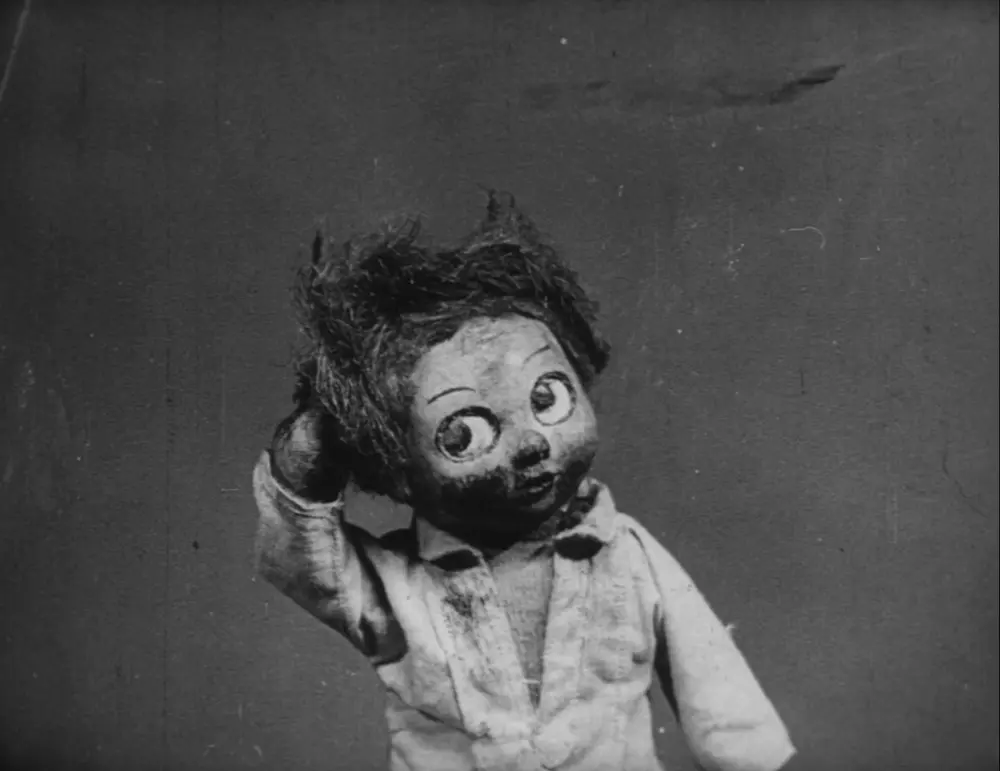
Mariya Benderskaya’s work here is criminally underrated. The way she handles the interaction between live-action elements and the animated objects creates a 'liminal space' that feels eerie. The lighting is harsh, emphasizing the 'grime' on the boy's face in a way that feels almost tactile. It’s a level of detail you don’t always see in films like The Light.
The directing is focused entirely on the hierarchy of power. The camera often looks up at Moydodyr and down at the boy. This simple choice establishes the power dynamic instantly. The boy is small, messy, and wrong. The washbasin is large, orderly, and right. It’s a binary world, and the direction reflects that with zero ambiguity.
Pros:
Cons:
Moydodyr is a fascinating, if slightly terrifying, relic of a time when cinema was used as a blunt instrument for social engineering. It is visually inventive and rhythmically sound, but its cold heart keeps it from being a truly lovable classic. It works. But it’s flawed. It’s a film that demands respect for its craft while making you feel slightly uncomfortable in your own skin. Watch it for the history, stay for the dancing soap, but don't expect to feel warm and fuzzy afterward. It’s as clinical as a scrub brush and just as abrasive.
IMDb 5.2
1920
Community
Log in to comment.