Summary
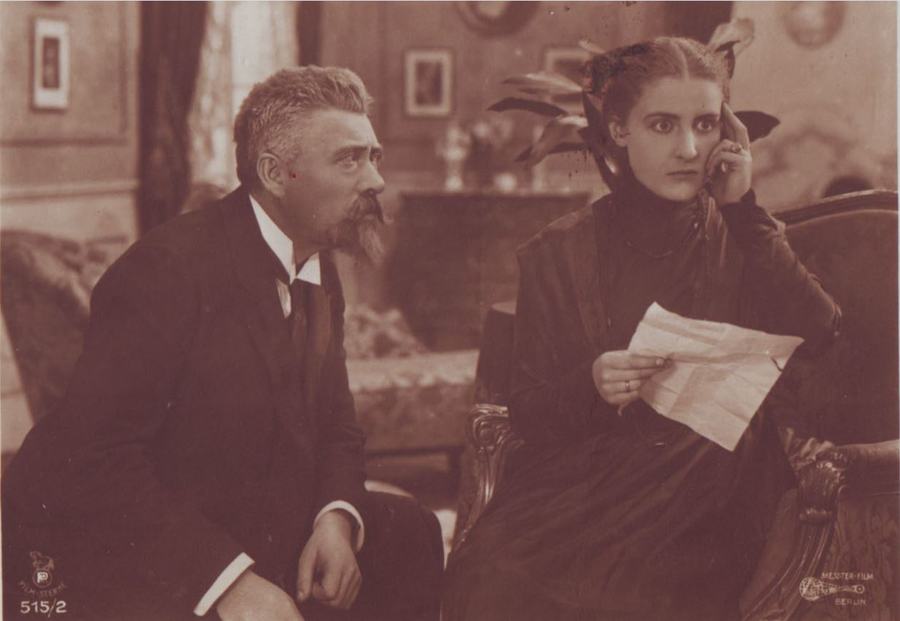
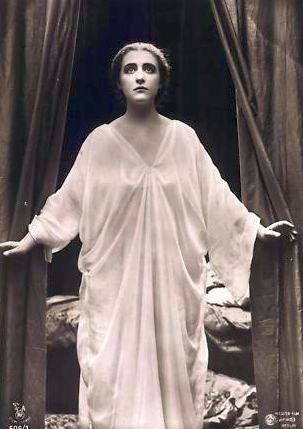
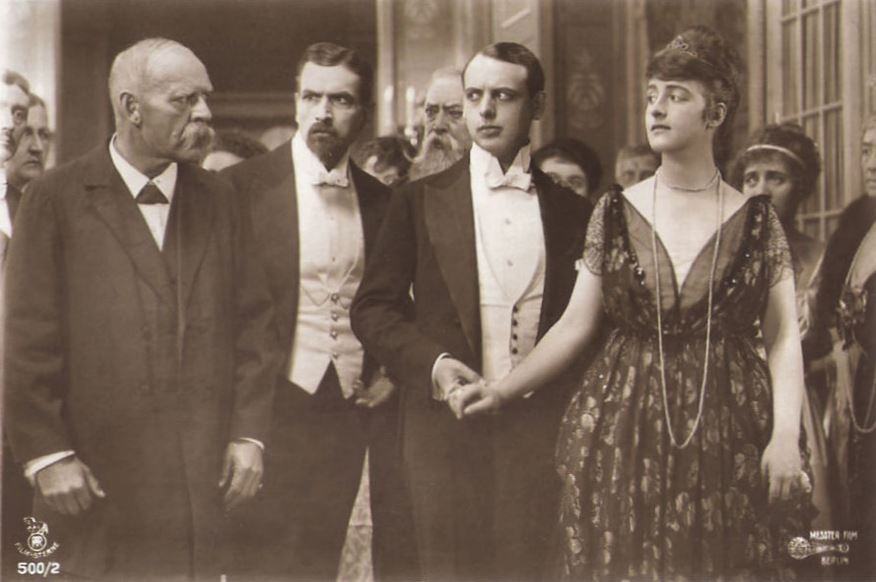
A moonlit Bavarian hamlet, 1919, still exhaling gun-powder, receives an uninvited carnival: Dr. Alfons Feenhände, a traveling prestidigitator whose gloved fingers appear to coax scarlet ribbon from thin air and, rumor insists, coax the living from the lately dead. Behind his cracked-pearl smile lurks a ledger of wartime disappearances; every ticket sold is a séance, every gasp of the crowd a down-payment on someone’s erased husband, lover, son. Into this tent of smoke and guilt stumbles Therese, a war-widowed seamstress clutching the last photograph of her fallen fiancé; she bargains her thimble, her voice, her shadow, demanding resurrection not as miracle but as accounting—proof of where the bodies went when the telegrams stopped. Feenhände’s mute apprentice, young Caspar, keeps a drawer of severed brass buttons like rosary beads, matching each to a name he cannot speak. Town burgomaster Kratz, a self-crowned monarch of respectability, sees in the magician’s miracles a threat to the fragile parades of normalcy; his wife, the morphine-etherized Claire, sees a doorway out of her porcelain marriage. Over seven nights of lantern parades, marionette crucifixions, and a danse macabre performed on a tightrope of cemetery iron, the film dissects spectacle itself: every time Feenhände lifts his velvet curtain he also lifts the bandages from a communal wound. The final act is an exorcism staged as vaudeville: Caspar, discovering his own missing regiment insignia sewn inside the master’s cape, ignites the canvas Big Top; the flames spell in cursive German the names of the vanished. When dawn peels the embers open, only Therese remains amid the snow of ash, clutching a reborn but wordless Caspar—no longer proof of magic, yet living evidence that memory, if tended like a fire, can outconjure any charlatan.
Review Excerpt
"
There are films you watch, and films that watch you—Feenhände belongs to the latter caste, a celluloid poltergeist that peers back from 1919 with kaleidoscope eyes still wet with mustard-gas dew.
Robert Wiene, forever shackled to the expressionist curve of Caligari, here trades angular dementia for the liquidity of smoke; he stages horror not on crooked rooftops but inside the pleated silk of a conjurer’s glove. The result is a poem of absence, a funambulist’s elegy for a generation turned to..."