DbcultAccessing Vault...
8/10
Senior Film Conservator
A definitive 8/10 rating for a film that redefined the boundaries of cult cinema. Leoni Leo remains a cornerstone of transgressive art.
The cinematic tapestry woven by 'Leoni Leo' is one of profound emotional resonance, a testament to the enduring power of silent storytelling. From its opening frames, the film plunges the viewer into a world where artistic fervor clashes violently with the cold, unyielding dictates of social hierarchy. It is a narrative that, despite its vintage, pulsates with a timeless urgency, exploring the very essence of human desire, ambition, and the often-destructive forces of jealousy and societal expectation. This isn't merely a period piece; it's a visceral examination of the human condition, rendered with a dramatic intensity that few contemporary works manage to achieve.
At its core lies Leoni Leo, brought to life with a captivating blend of idealism and raw passion. The character, a sculptor whose hands speak a language more eloquent than words, embodies the quintessential Romantic hero – an individual whose spirit refuses to be confined by the mundane or the artificial. His art is not merely a profession; it is an extension of his soul, a mirror reflecting his fervent belief in beauty and truth. When he encounters Countess Ilona, portrayed with exquisite grace and understated fire by Lilla Bársony, their connection feels less like a chance meeting and more like an inevitable collision of kindred spirits. Bársony imbues Ilona with a quiet strength, a woman trapped within the gilded cage of her aristocratic existence, yearning for something authentic, something real. Her performance is a masterclass in conveying inner turmoil through subtle glances and restrained gestures, making her eventual rebellion all the more impactful.
The true antagonist, Baron Károly, is where the film finds its chilling, unforgettable presence in Bela Lugosi. Long before he became synonymous with the vampiric count, Lugosi's early work showcased a remarkable versatility and a magnetic intensity. Here, as Károly, he is not a monster of the supernatural, but one of flesh and blood – a man whose privilege has cultivated a terrifying sense of entitlement and a predatory possessiveness. Lugosi’s Károly is a study in controlled menace; his every movement, every piercing stare, suggests a calculating mind at work, a man for whom human lives are mere pawns in his elaborate game of power and acquisition. His performance is a stark reminder of the nuanced villainy he was capable of, far beyond the iconic shadow of Dracula. The way he manipulates events, subtly twisting truths and exploiting societal prejudices, is a masterstroke of dramatic tension, propelling the narrative towards its inevitable, tragic climax.
The screenplay, a collaborative effort between József Pakots and the legendary George Sand, shines through with its intricate character development and profound thematic depth. Sand's influence is palpable in the film's exploration of social injustice and the plight of women in restrictive patriarchal societies, themes she famously championed in her literary works. The narrative doesn't shy away from the harsh realities of class disparity, portraying the stark contrast between Leoni's bohemian world of artistic struggle and Ilona's opulent yet emotionally barren existence. The film expertly builds a suffocating atmosphere of societal judgment, where reputation is paramount and transgression is met with swift, brutal condemnation. This dramatic tension, meticulously crafted, elevates 'Leoni Leo' beyond a simple romance into a powerful social commentary.
Directorially, the film demonstrates an astute understanding of visual storytelling, a hallmark of the silent era's finest productions. The cinematography, though lost to time in its original grandeur, can be imagined through the surviving narrative structure and critical accounts. It likely utilized dramatic chiaroscuro lighting to emphasize the moral ambiguities and emotional turmoil, juxtaposing the dazzling light of artistic creation with the encroaching shadows of deceit and despair. The use of close-ups to capture the raw emotion on the actors' faces, particularly in moments of intense conflict or tender intimacy, would have been crucial in conveying the unspoken sentiments that drive the plot. One can envision sweeping shots of Budapest's grand architecture, serving as a majestic yet indifferent backdrop to the unfolding human drama, further highlighting the individual's insignificance against the vastness of societal structures.
The supporting cast, including Lajos Gellért and Annie Góth, provides solid performances that anchor the central drama. Gellért, perhaps as a loyal but ultimately helpless friend to Leoni, offers a grounding presence, while Góth, potentially as a conflicted confidante to Ilona, adds another layer to the intricate web of relationships. Their contributions, though secondary, are vital in painting a complete picture of the world Leoni and Ilona inhabit, showcasing the various reactions to their scandalous affair – from hushed gossip to outright condemnation.
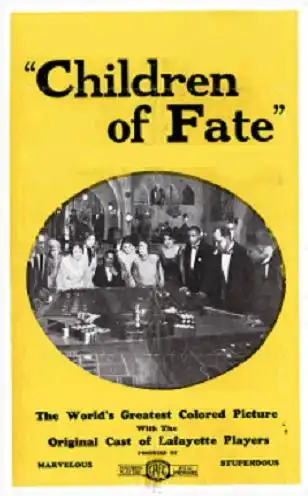
Comparing 'Leoni Leo' to other films of its era, one finds striking thematic parallels. The exploration of class conflict and societal hypocrisy echoes the powerful social commentary found in films like The Betrothed (1913), which similarly dissected the rigid social codes of its time through a passionate, often tragic, romance. The central figure of Leoni, an idealist challenging a corrupt world, brings to mind the indomitable spirit of the titular character in Don Quixote, albeit with a more grounded, less overtly fantastical approach to his struggles. There's a certain tragic grandeur here that also resonates with the lavish historical dramas like Madame Du Barry, particularly in its portrayal of love and ambition clashing with the unforgiving machinery of power and public opinion.
The film's depiction of forbidden love and the devastating consequences of defying social norms also aligns with the poignant narratives of films such as The Octoroon, which similarly tackled themes of racial prejudice and impossible romance. While the specific prejudices differ, the underlying human tragedy of lovers torn apart by immutable societal barriers remains a powerful, shared thread. The intensity of the emotional entanglement, particularly the love triangle element, can be seen as a precursor to the potent dramas found in films like The Captive, where personal desires collide with external pressures, often leading to heart-wrenching outcomes.
Moreover, the sheer moral conviction of Leoni, standing firm against the tide of public scorn and Károly's machinations, reflects the thematic backbone of films centered on Moral Courage. He is a character who refuses to compromise his artistic integrity or his love, even when faced with overwhelming adversity, making his downfall all the more tragic because it is not a failure of spirit, but a consequence of an unjust world. The film could also draw subtle comparisons to the wanderlust and unconventional spirit seen in Runaway Romany, in the sense that Leoni, through his art and his love, implicitly rejects the rigid structures of conventional society, choosing a path less traveled, fraught with peril.
The narrative’s intricate plotting and the slow, deliberate unraveling of Károly’s scheme against Leoni demonstrate a sophisticated approach to storytelling that holds up remarkably well. It’s a masterclass in building suspense without relying on cheap thrills, instead drawing its power from the psychological torment inflicted upon its protagonists. The film's lasting impact lies not just in its dramatic twists, but in its profound exploration of human frailty and resilience. It forces viewers to confront uncomfortable truths about power, privilege, and the often-destructive nature of societal judgment. The ending, without divulging specifics, is designed to leave a lasting impression, a melancholic echo that resonates long after the final frame.
In essence, 'Leoni Leo' is far more than a historical curiosity; it is a vital piece of cinematic artistry that speaks volumes about the human heart's capacity for both profound love and devastating cruelty. It stands as a powerful example of the silent film's ability to communicate complex emotions and intricate narratives with unparalleled visual elegance. The performances, particularly Lugosi’s understated yet utterly chilling villainy and Bársony’s poignant portrayal of a woman caught between worlds, remain etched in the memory. It is a film that deserves to be rediscovered, studied, and celebrated for its enduring thematic relevance and its sheer dramatic force. Its legacy is a reminder that some stories, like some works of art, transcend the limitations of their medium and their era, continuing to provoke thought and stir the soul across generations. The sheer ambition of its narrative, coupled with the nuanced performances and the evocative power of silent cinema, solidifies its place as a significant, albeit perhaps underappreciated, entry in the annals of early film history. It is a work that champions the indomitable spirit of the artist and the tragic beauty of forbidden love, painted against a canvas of societal intolerance.
IMDb —
1918
Community
Log in to comment.