Summary
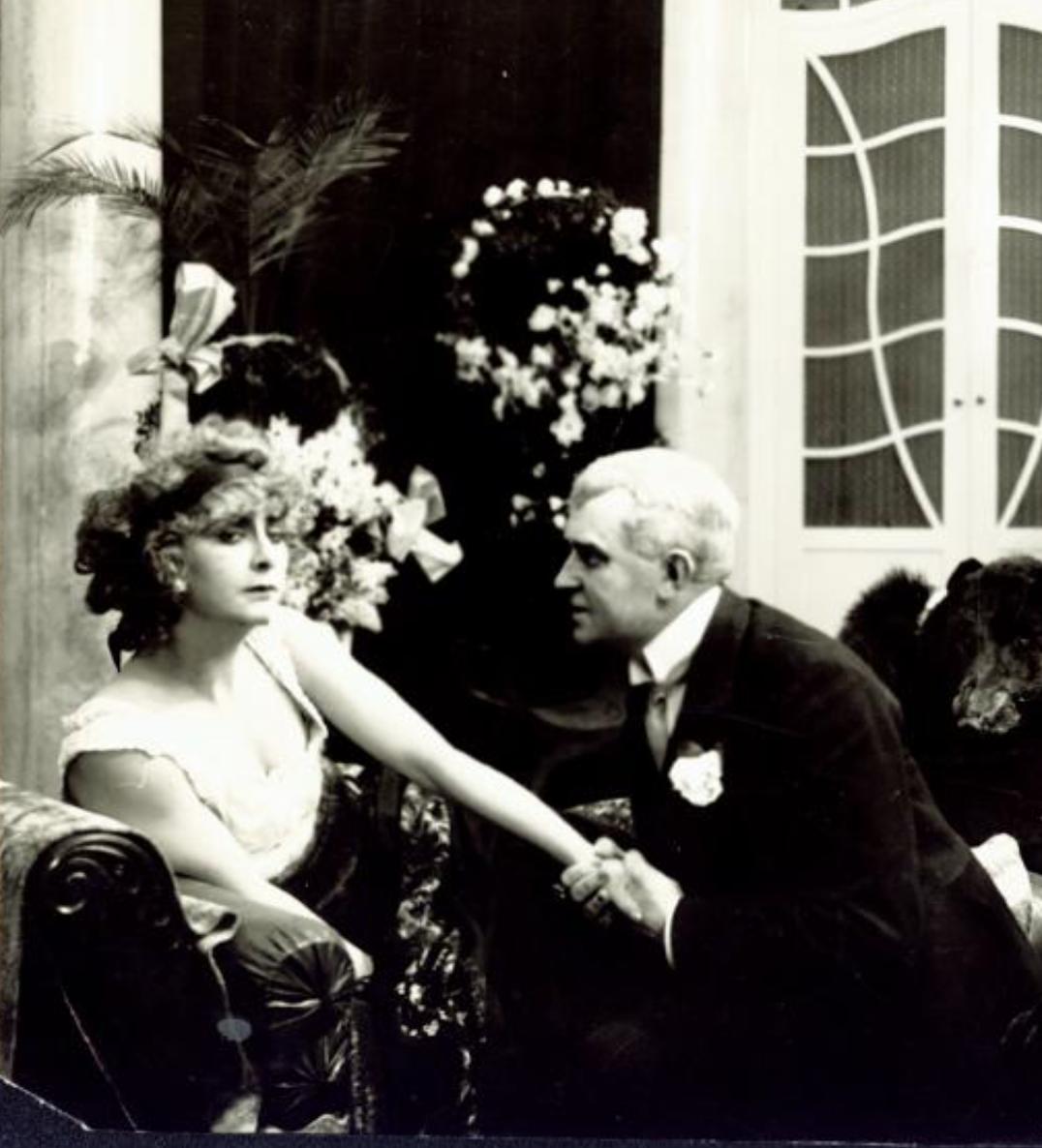
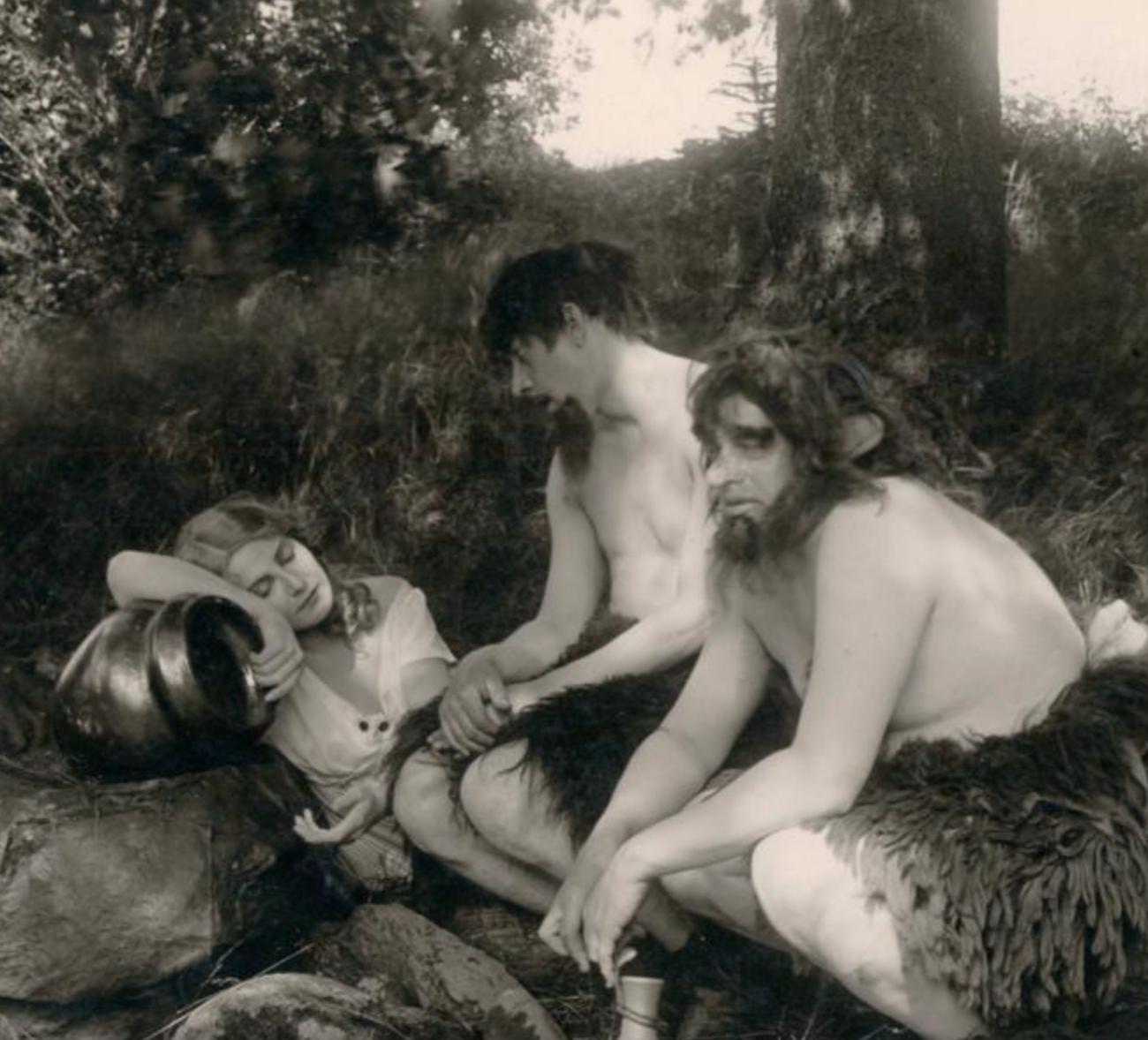
In the half-light of a Danish autumn, a governess named Karen—played by Elna From with the brittle grace of a porcelain saint—arrives at the crumbling manor of the widowed Captain Holm, whose eyes already carry the salt-sting of old grief. Emil Skjerne’s Holm is no tyrant, merely a man hollowed by war and the silence of a child who has not spoken since her mother died giving her breath. Little Agnes, embodied by Karen Caspersen in a performance so hushed it seems carved from absence, drifts through vast rooms like a ghost rehearsing her own vanishing. Into this hush comes Emilie Sannom’s Maren, the captain’s restless sister-in-law, a libertine in silk who smells of cognac and foreign ports, convinced that children, like orchids, thrive on neglect. The household’s equilibrium tilts when Alfred Sjøholm’s Dr. Lind—part physician, part confessor—delivers a verdict: Agnes’s mutism is no pathology but a wager against a world that robbed her of voice. The film’s true plot ignites when Karen, discovering the captain’s plan to ship the girl to a Zurich sanatorium run by cold-disciplinarians, kidnaps the child under cover of a winter’s first snowfall. What follows is a feverish odyssey across frost-bitten Jutland: a night boat across an ink-black fjord, a church crypt where candlelight paints living saints on damp stone, a traveling fair where Agnes sees her own reflection in the glass eyes of a ventriloquist’s dummy and utters her first word—“more.” Sannom’s script refuses every cliché of sentimental rescue; instead, the chase becomes an excavation of bourgeois hypocrisy. Each halt in the journey—an orphanage that cages childhood in starched linen, a mill where flour dust hangs like the residue of erased histories—peels back another layer of a society that commodifies innocence. The climax transpires in a derelict theater, once grand, now home to itinerant performers who stage a commedia for no audience but the fugitives. There, Captain Holm confronts Karen amid moth-eaten velvet and the smell of tallow, and the film’s central question detonates: is parenthood ownership or guardianship of breath? In a final coup de théâtre, Agnes steps into the glare of limelight and sings—a sound so pure it shatters the glass slide projector behind her, scattering images of her dead mother across the scene like snowflakes of memory. The captain lowers his pistol; Maren, mascara streaked into war-paint, weeps into her fox-fur; Karen, exhausted, lets the child choose. Agnes walks not to either adult but toward the open door where dawn is flooding in, leaving the audience stranded between catharsis and the chill realization that liberation is not an ending but an exile into uncertainty.
Review Excerpt
"
There are silences that roar louder than any orchestra, and For barnets skyld weaponizes that paradox until the final frame quivers.
Shot on orthochromatic stock that turns human skin into lunar marble, the film opens with a static tableau worthy of a Hammershøi interior: slate-grey walls, a child’s porcelain rabbit upturned on a rug, the audible crack of a father’s heart even before we see his face. Director Emilie Sannom—also the scenarist—trusts chiaroscuro more than intertitles; words arr..."