Summary
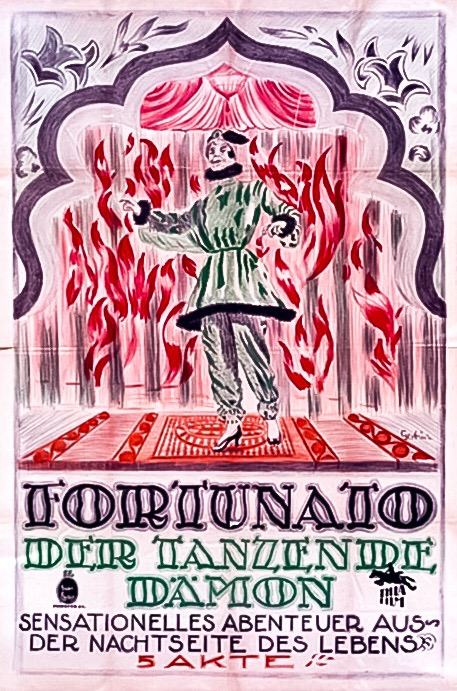
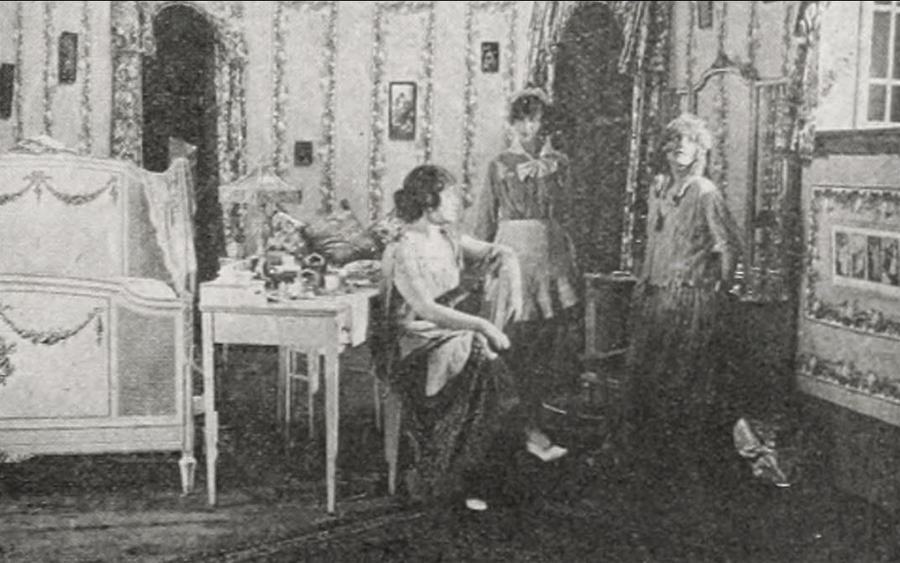
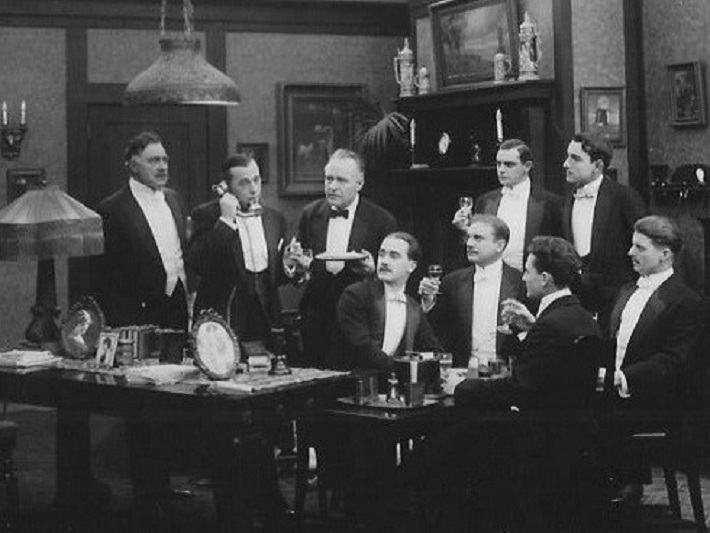
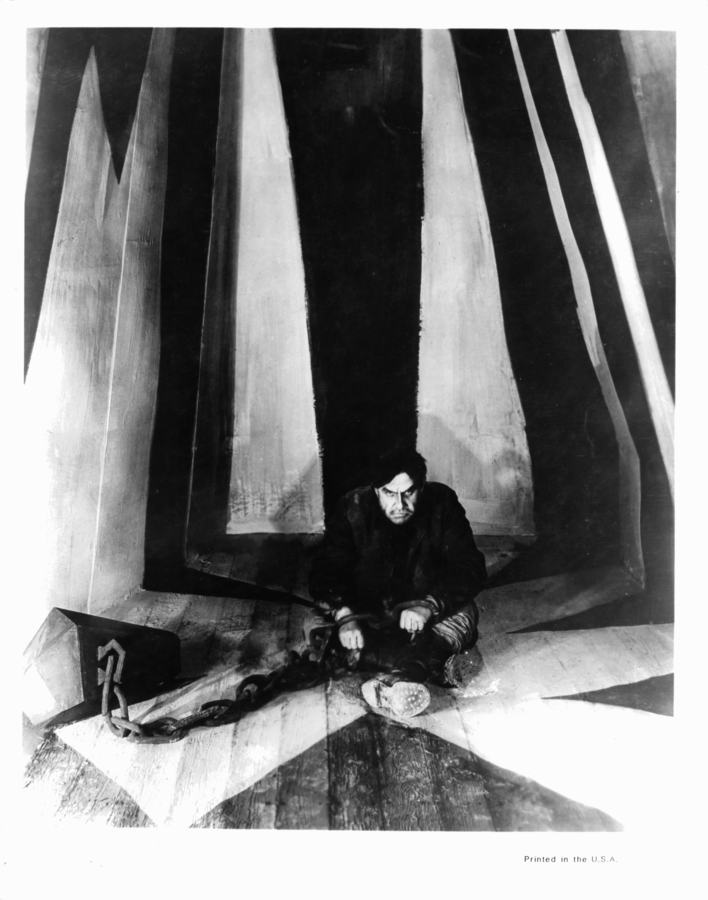
In a soot-choked Berlin still licking its wounds from the Great War, a cabaret magician named Fortunato—equal parts Mephisto and matinee idol—unleashes a danse macabre that pirouettes from the lip of a proscenium arch straight into the marrow of the audience’s nightmares. Oscar Marion incarnates this ringmaster of pandemonium with eyes like struck matches; every tilt of his silk lapels seems to summon gaslight ghosts who whisper the city’s guilty secrets. Peggy Longard, cast as the reluctant oracle of the piece, drifts through the smoke in gowns the color of absinthe bruises, her violin bow scraping out a requiem only the damned can hear. When she refuses to become the finale in Fortunato’s human marionette show, the film mutates into a fever-chart of pursuit: across rain-lacquered rooftops, through a netherworldly variety hall where the orchestra pit yawns like a mass grave, and finally into a deserted U-Bahn tunnel lit by sputtering sodium flares that turn every face into a death-mask. Paul Ludwig’s police inspector—half rationalist, half grieving father—stalks the margins, clutching a crumpled photograph of a daughter swallowed by the same carnival of shadows. Leo Koffler’s cinematography lashes the celluloid with stroboscopic freeze-frames: a single high-heeled shoe spinning in mid-air, a child’s porcelain doll with its eyes gouged out, a close-up of a coin spinning on a corpse’s tongue. Ludwig Rex’s production design festoons the frame with baroque grotesqueries—chandeliers of human teeth, curtains stitched from confession letters—while Marga Köhler and Gerda Rawitzki supply a Greek chorus of cabaret sirens who croon lullabies about razor blades hidden in marshmallows. The narrative refuses catharsis; instead it tightens like a garrote until the final reel collapses into a freeze-frame of Fortunato’s rictus grin projected onto the cinema screen within the cinema, an ouroboros of spectatorship that accuses every viewer of complicity. What lingers is not the plot but the aftertaste of copper and cheap champagne, the certainty that history itself is a danse macabre choreographed by a demon who knows all our names.
Review Excerpt
"
Berlin, winter of 1920: the war is over yet the corpses keep arriving—some in freight cars, others in top-hat tails, all of them dancing. Into this open wound struts Fortunato, a conjurer whose smile could sell absinthe to a temperance league. Oscar Marion plays him like a violin strung with cat-gut: every gesture calibrated to remind the audience that charisma is just another word for controlled haunting.
The picture opens inside the Mandrake Kabarett, a cellar whose ceiling drips with what ..."