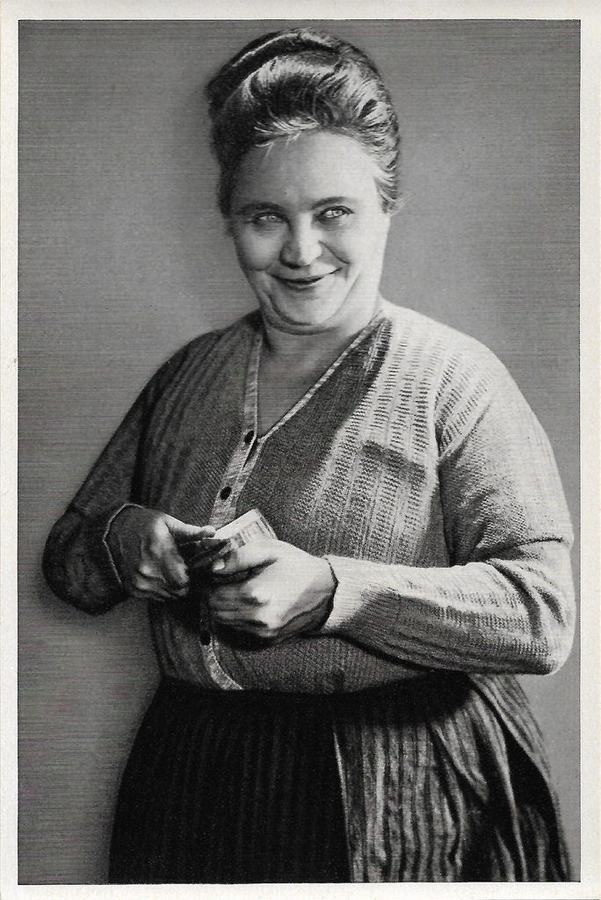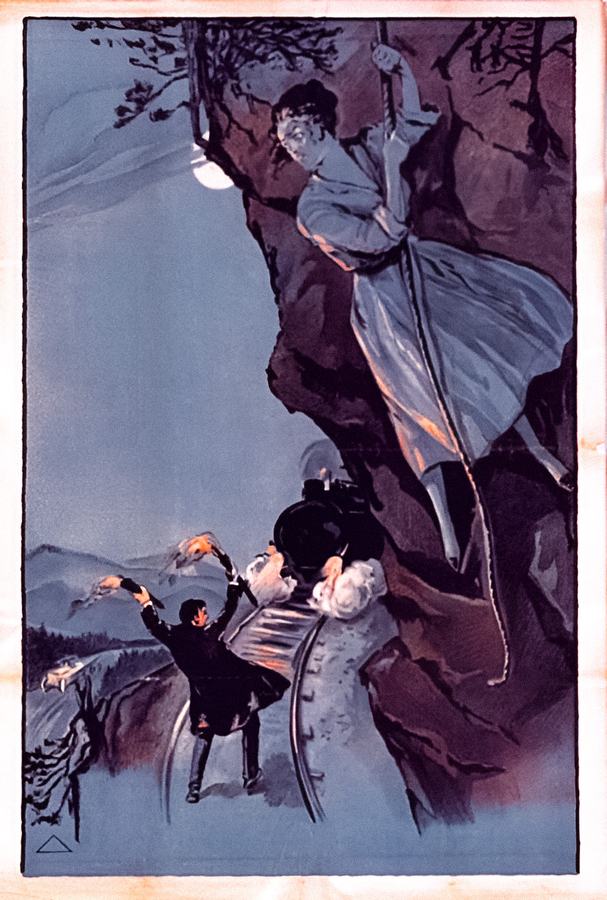
Should you watch Die Unschuld ohne Kleid in the 21st century?Short answer: yes, but only if you possess an appetite for the nuances of silent-era social satire. This is not a film for those seeking the high-octane thrills of modern cinema or even the expressionist shadows of its contemporaries; it is a film for the pat...
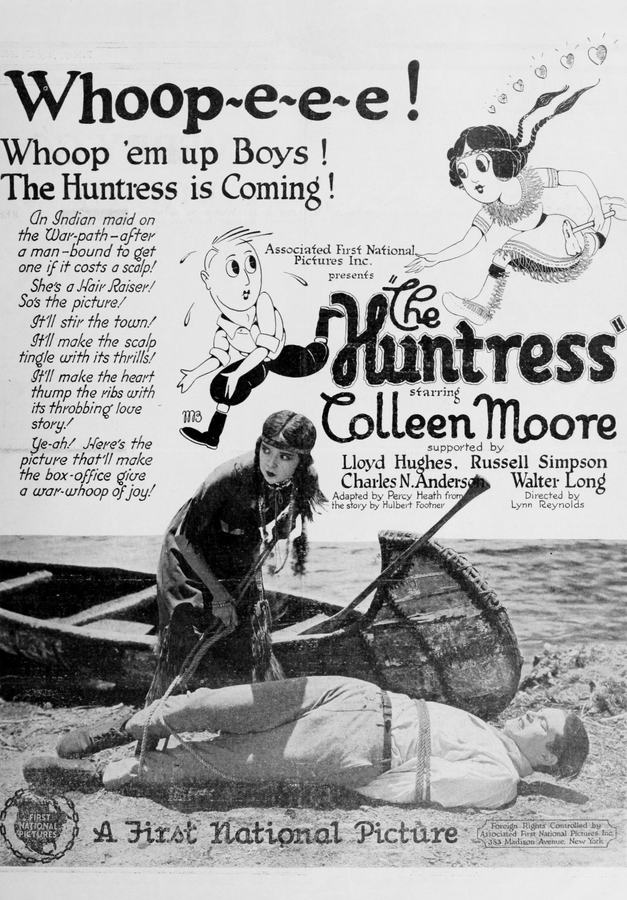
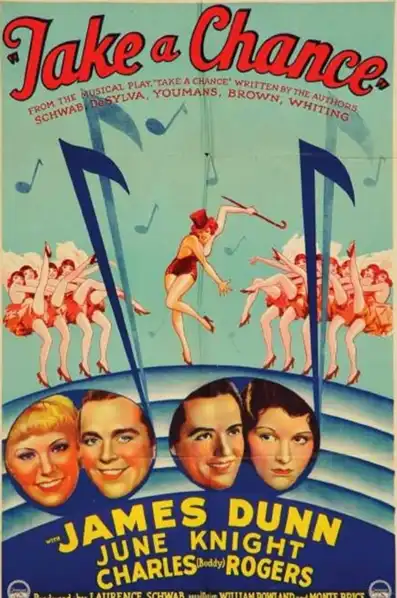
Comparing the cinematic DNA and archive impact of two defining moments in cult history.
Karl Halden
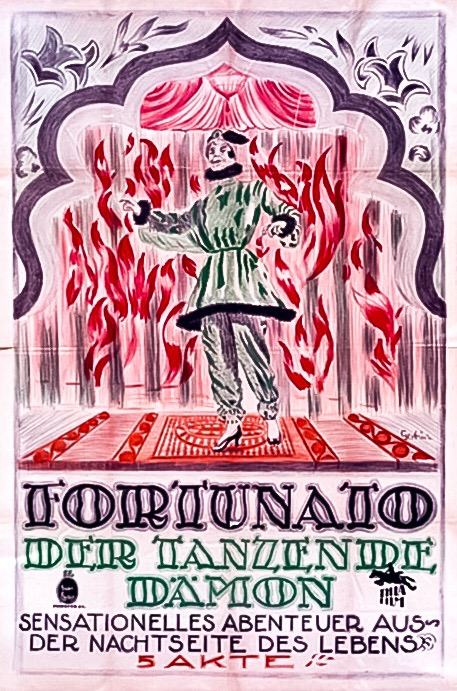
Karl Halden
Community
Log in to comment.
"Should you watch Die Unschuld ohne Kleid in the 21st century?Short answer: yes, but only if you possess an appetite for the nuances of silent-era social satire. This is not a film for those seeking the high-octane thrills of modern cinema or even the expressionist shadows of its contemporaries; it is a film for the patient observer of human folly.This film is specifically for historians of the Weimar Republic and fans of early European character comedies. It is absolutely NOT for viewers who fin..."
1936 · IMDb 6
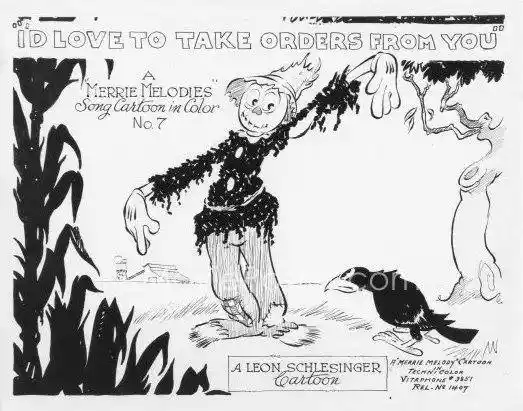
Deep dive into the cult classic
Discover similar cinematic experiences
A Directorial Spotlight on Karl Halden