Gerô (1927): Daisuke Itô's Most Defining Film | Dbcult
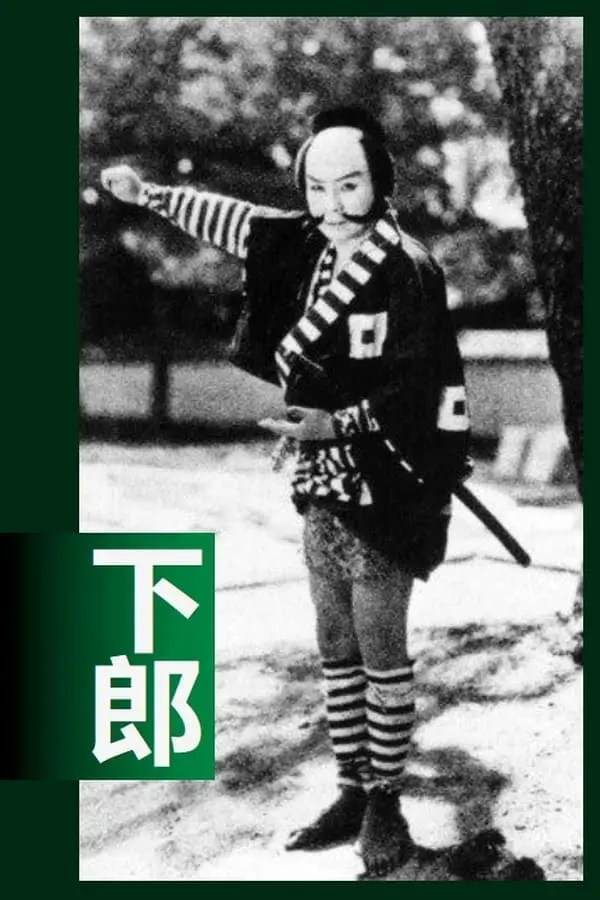
Gerô
1927Daisuke ItôIMDb: /10
Synopsis
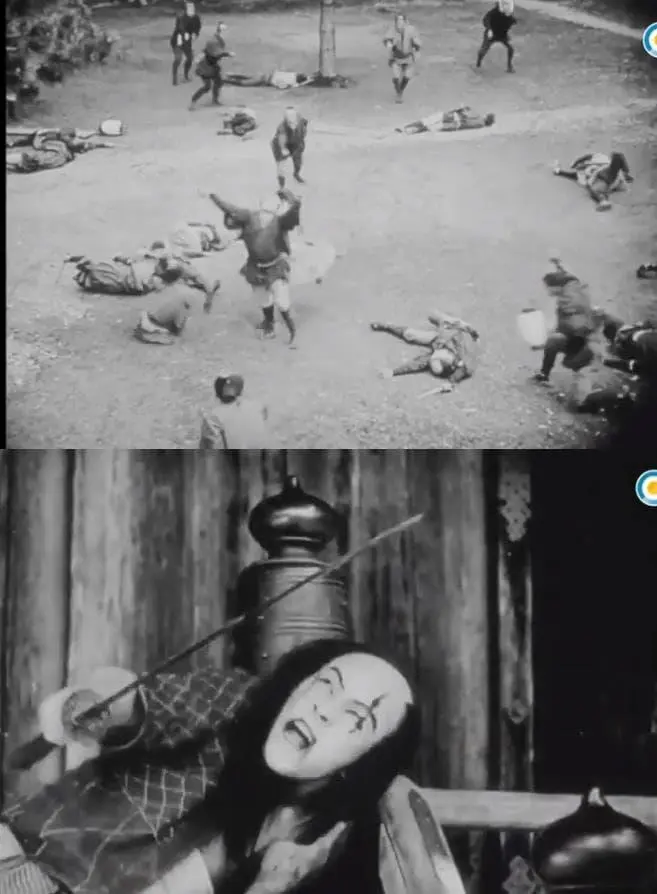
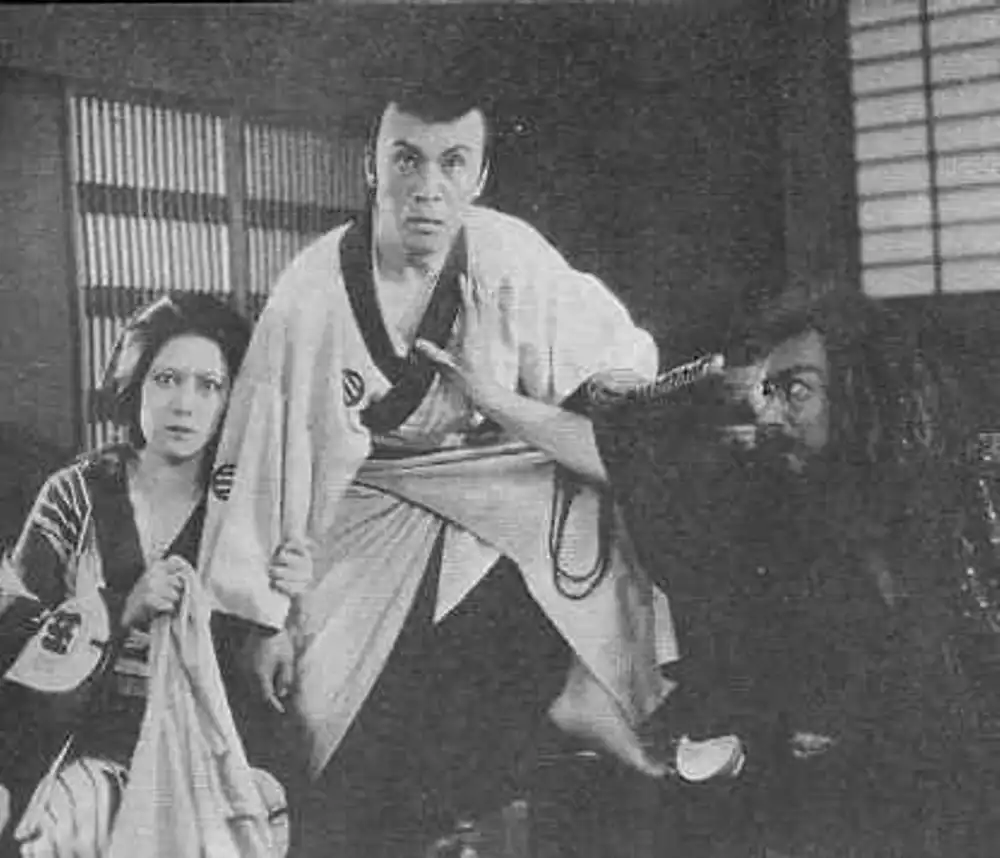
Chanbara (sword fighting film) about a servant who accompanies his master on a mission of revenge. Forerunner of trend-films glorifying nihilism and rebellious spirit as opposed to vassal loyalty of the Edo period.
Gerô Review: Why This 1927 Chanbara Masterpiece Still Bites
Is Gerô worth your time today? Short answer: Yes, but only if you are willing to look past the grain of 1927 to see the birth of the modern anti-hero.This film is for the cinephile who wants to witness the exact moment the samurai genre grew teeth. It is emphatically not for those who demand high-definition spectacle o...
Gerô features Jō Kume, Haruko Sawamura, Gorō Kawabe, Tetsuro Kaneko.
The screenplay for Gerô was written by Daisuke Itô, Tôkichi Nakamura.
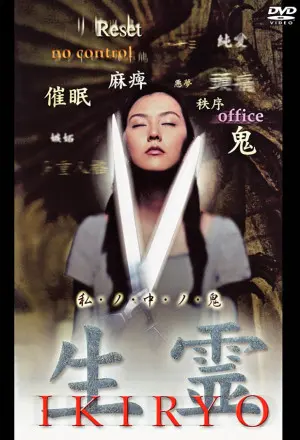
If you enjoy Gerô, you might also like Ikiryô (1927), Chuji's Travel Diary part 3 (1927), Tange Sazen - Dai-ippen (1933), Shinpan Ôoka seidan; Daisanpen: Kaikatsuhen (1928).
Yes, Gerô (1927) is featured in the Dbcult archive as a curated cult cinema title.
In the twilight of the Edo period, a nameless servant (Gerô) finds himself bound to a master consumed by a singular, destructive purpose: revenge. Unlike the romanticized epics of his time, Daisuke Itô’s narrative strips away the gilded veneer of the samurai class, focusing instead on the physical and psychological toll of a mission that offers no glory to the man carrying the bags. As they traverse a landscape of moral decay, the servant’s traditional sense of duty begins to erode, replaced by a cold, nihilistic realization of his own expendability. This is not a story of heroic triumph, but a gritty exploration of the moment loyalty becomes a death sentence, marking a pivotal shift in Japanese cinema away from blind feudalism toward a more modern, rebellious spirit.
Synopsis
Chanbara (sword fighting film) about a servant who accompanies his master on a mission of revenge. Forerunner of trend-films glorifying nihilism and rebellious spirit as opposed to vassal loyalty of the Edo period.
Review Excerpt
"Is Gerô worth your time today? Short answer: Yes, but only if you are willing to look past the grain of 1927 to see the birth of the modern anti-hero.This film is for the cinephile who wants to witness the exact moment the samurai genre grew teeth. It is emphatically not for those who demand high-definition spectacle or the clean, choreographed dances of modern wuxia.The Direct Verdict1) This film works because it rejects the 'pretty' version of history, choosing instead to show the dirt, the sw..."