DbcultAccessing Vault...
Cult Review
Senior Film Conservator
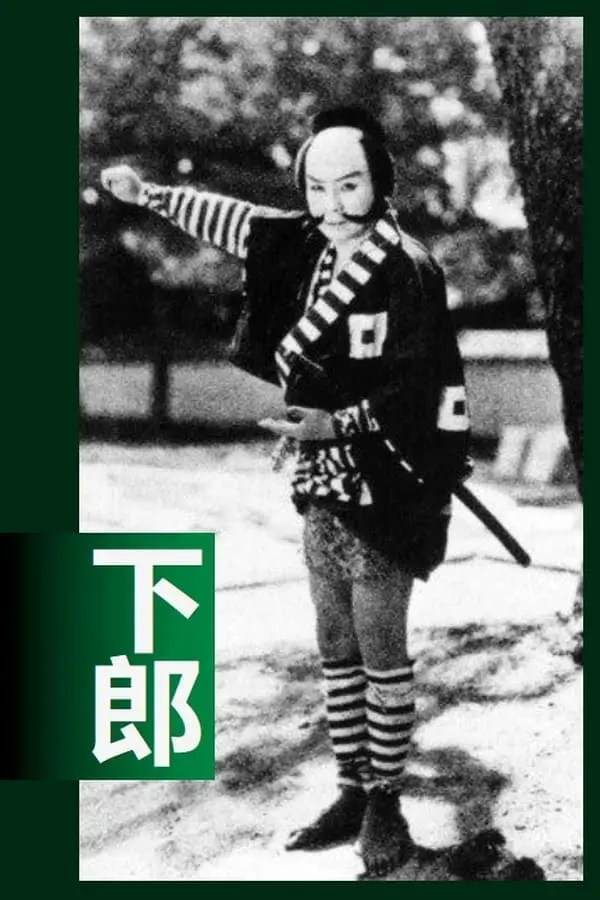
Is Gerô worth your time today? Short answer: Yes, but only if you are willing to look past the grain of 1927 to see the birth of the modern anti-hero.
This film is for the cinephile who wants to witness the exact moment the samurai genre grew teeth. It is emphatically not for those who demand high-definition spectacle or the clean, choreographed dances of modern wuxia.
1) This film works because it rejects the 'pretty' version of history, choosing instead to show the dirt, the sweat, and the exhaustion of a servant caught in a master's ego-driven vendetta.
2) This film fails because its silent-era pacing and the fragmentary nature of surviving prints can make the narrative feel like a jagged puzzle rather than a smooth journey.
3) You should watch it if you want to understand the cinematic DNA of directors like Akira Kurosawa or Masaki Kobayashi, who later perfected the art of the 'rebel' samurai.
Before Gerô, the chanbara—or sword-fighting film—was largely a static affair. Cameras sat still, capturing actors who performed like stage performers in a kabuki play. Daisuke Itô changed the game entirely. He didn’t just film a fight; he threw the audience into the middle of it.
In one particularly grueling sequence, the servant is forced to navigate a treacherous path while his master remains focused solely on his target. The camera doesn't just watch; it moves with a frenetic energy that was revolutionary for 1927. It captures the frantic, uncoordinated nature of real survival. It’s messy. It’s violent. It works.
This style, often called 'Itô-shiki' or the Itô style, prioritized rapid editing and a moving camera. It was a precursor to the handheld grit we see in modern action cinema. When you compare this to contemporary Western films like The Down Grade, the technical aggression of Gerô feels decades ahead of its time.
The most striking element of Gerô is its thematic subversion. In the 1920s, Japanese cinema was heavily regulated and often used to promote traditional values of vassal loyalty. Itô and writer Tôkichi Nakamura did something dangerous: they made the servant the emotional core of the film.
The master, played with a cold detachment by Tetsuro Kaneko, is not a hero. He is a relic. His obsession with revenge is portrayed not as noble, but as a parasitic force that drains the life out of his subordinates. This is a recurring theme in Itô's work, also seen in the desperation of The Girl of Hell's Agony.
There is a moment mid-way through the film where the servant pauses, looking at his master’s back. In that single, silent look, you see the realization that his life is being spent on a cause that isn't his. It’s a brutally simple realization. It breaks the heart of the Edo period myth.
Haruko Sawamura brings a layer of humanity that balances the film’s more nihilistic tendencies. While the men are busy dying for 'honor,' the female presence in the film often acts as the only grounded reality. It’s a subtle performance, often overshadowed by the swordplay, but essential for the film's emotional weight.
Jō Kume and Gorō Kawabe provide the necessary tension in the supporting cast. The interactions between these characters feel less like a cohesive unit and more like a group of people trapped in a sinking ship. There is no camaraderie here, only shared doom.
This lack of warmth is a deliberate choice. It mirrors the social unrest of Japan in the late 1920s, a time when the 'tendency film' (keiko-eiga) began to use historical settings to critique modern social inequalities. Gerô is a protest film disguised as a period piece.
Gerô is worth watching because it is a foundational text of world cinema. It is the bridge between the old world of theatrical performance and the new world of cinematic realism. If you can handle the silence, you will find a film that is louder than most modern blockbusters.
Specifically, for those interested in the evolution of the action genre, Gerô provides a masterclass in how to use editing to create tension. You can see the echoes of this film in everything from Conflict to the sprawling epics of the 1950s.
Pros:
Cons:
Gerô is a jagged, brilliant piece of history. It isn't a comfortable watch, and it doesn't want to be. It is a film that looks the viewer in the eye and asks: 'What is your loyalty worth?' In an era where most films were providing easy answers, Daisuke Itô had the courage to offer a bloody, nihilistic question. It’s a landmark. It’s flawed. It’s essential.
IMDb 5.3
1932
Community
Log in to comment.